Projects
How to Choose HVAC Ducting for Faster Installation
Fast HVAC Installation Starts with the Ducting Itself.
When commercial HVAC projects fall behind schedule, the problem is not always labour availability or project management. Often, delays begin with the ducting system itself.
The right HVAC ducting systems can significantly reduce installation time by arriving ready to install, requiring fewer components, fitting together more easily, and minimising on-site fabrication. Choosing ductwork with installation efficiency in mind helps contractors complete projects faster, reduce labour costs, and improve overall project performance.
For mechanical contractors, project managers, and installers, understanding which ducting features have the biggest impact on installation speed makes it easier to choose systems that keep projects moving.
Quick Answer
The fastest HVAC ducting systems are those that:
- Use standardised, accurately manufactured components
- Minimise on-site fabrication
- Require fewer joints and fixings
- Include pre-engineered fittings
- Are easy to transport and position
- Reduce installation labour without compromising airflow performance
Projects that prioritise installation-friendly ductwork typically experience shorter installation times, fewer site issues, and more predictable project delivery.
Why Installation Speed Matters
Labour has become one of the largest costs on commercial HVAC projects. Every extra hour spent modifying ductwork, fixing poor fits, or assembling complex systems adds unnecessary cost.
Faster installation can provide several advantages:
- Lower labour costs
- Earlier project completion
- Reduced disruption to other trades
- Better sequencing on busy construction sites
- Less rework
- Improved productivity
Rather than asking only which duct is cheapest to purchase, experienced contractors increasingly ask:
Which ducting system will be fastest to install?
Or better still...
Which ducting system will be the most efficient to install?
Try our free
Installation Labour Cost Calculator
1. Choose Ductwork That Minimises On-Site Fabrication
One of the biggest causes of installation delays is having to cut, modify, or rebuild duct sections on site.
High-quality commercial ducting solutions should arrive:
- correctly manufactured
- accurately sized
- ready for installation
- clearly labelled
- complete with matching fittings
Every task completed in the factory is one less task completed on a construction site.
Factory fabrication generally provides:
- better dimensional accuracy
- higher quality control
- faster installation
- less waste
2. Select Systems with Standardised Components
Standardised ducting systems simplify installation.
Instead of custom-building every connection, installers can use:
- standard elbows
- reducers
- tees
- branch connections
- transitions
- dampers
These components are manufactured to fit together consistently, reducing installation errors.
Standardisation also makes ordering replacement parts simpler and improves long-term maintenance. The manufacturer that stocks standardised fittings can also ensure speedy supply of parts.
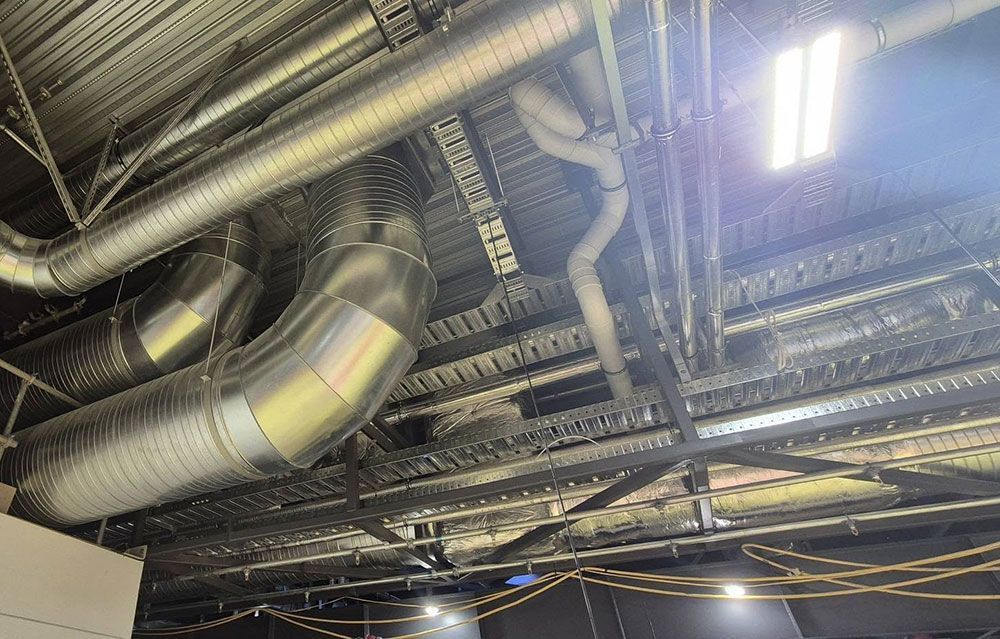
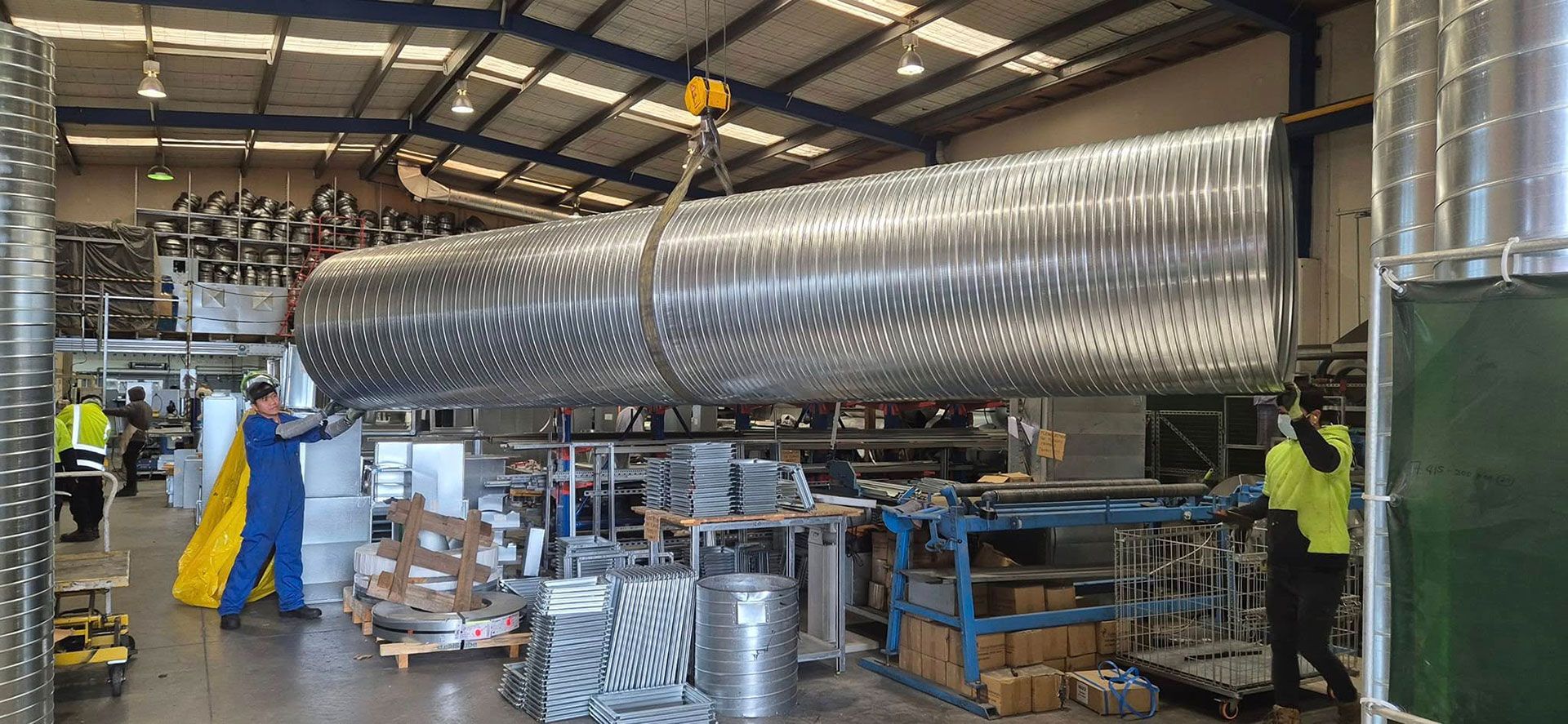
3. Consider Round (Spiral) Ducting Where Practical
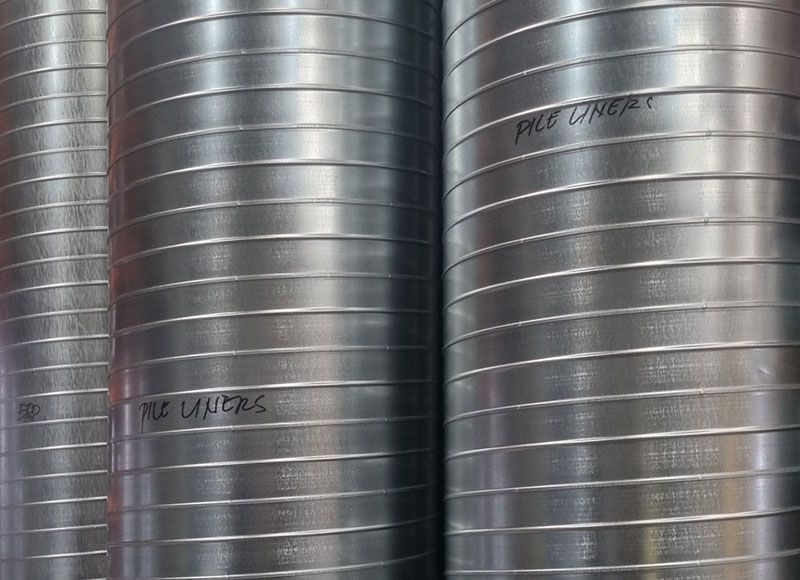
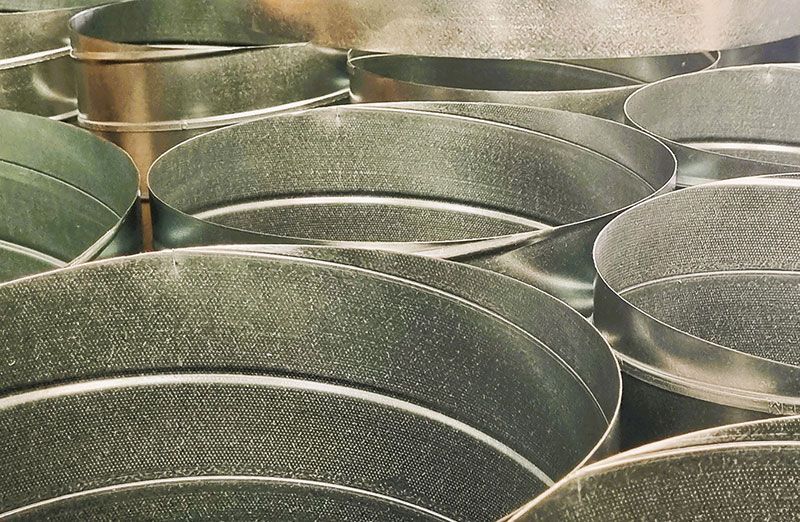
For many commercial projects, spiral ducting offers one of the quickest installation methods available.
Compared with rectangular ducting, spiral systems often feature:
- fewer joints
- longer duct lengths
- lower connection counts
- lighter handling
- faster suspension installation
Because circular duct maintains its structural rigidity naturally, fewer reinforcement requirements are often needed.
This combination can substantially reduce installation labour on suitable projects.
Rectangular ducting still plays an important role where ceiling space is restricted or where architectural requirements demand flatter profiles, but where space allows, spiral systems frequently provide the faster installation option.
4. Look for Simple Connection Methods
The connection system affects installation time more than many buyers realise.
Modern quick install ductwork often incorporates connection methods that reduce assembly time while maintaining airtight performance.
Features may include:
- gasketed joints
- slip connections
- factory-prepared flanges
- standardised fixing systems
These reduce measuring, sealing, and adjustment on site.
5. Prioritise Manufacturing Accuracy
Poorly manufactured ducting causes installation delays.
Even small dimensional inaccuracies can create:
- alignment problems
- air leaks
- additional sealing work
- bracket modifications
- rework
Accurately manufactured components fit together correctly the first time.
Quality manufacturing saves considerably more labour than it typically adds in purchase cost.
6. Consider Delivery Reliability
Fast installation only works if the duct arrives when required.
Reliable suppliers help maintain installation momentum by providing:
- dependable lead times
- staged deliveries
- stock availability
- rapid turnaround for additional orders
Late deliveries often create idle labour, project delays, and costly rescheduling.
Supply reliability should be considered alongside product quality when selecting a ducting partner.
7. Reduce Handling on Site
Large commercial projects involve moving hundreds of duct sections throughout the building.
Installation becomes faster when ducting is supplied in ways that simplify handling.
Examples include:
- logical packaging
- labelled sections
- installation sequencing
- bundled fittings
- pallet organisation
Well-planned deliveries reduce searching, sorting, and unnecessary material movement.

8. Match the Ducting to the Building
The fastest ducting system depends on the project.
For example:
| Project Type | Often the Best Choice |
|---|---|
| Open ceiling commercial buildings | Spiral ducting |
| Hospitals | Combination of rectangular and spiral |
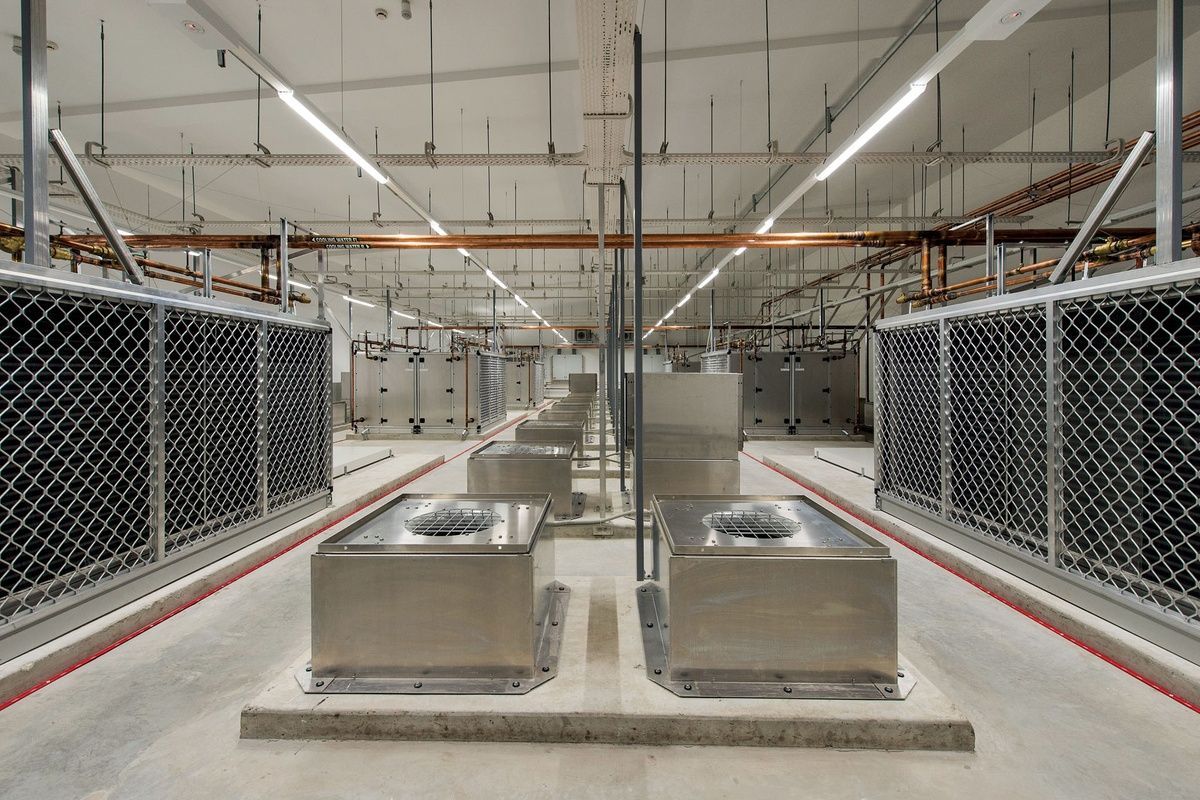
| Data Centres | Engineered systems designed for airflow efficiency |
| Shopping centres | Mixed systems depending on services coordination |
| Industrial facilities | Larger spiral duct where practical |
Selecting the right solution for the available space helps reduce installation complexity.
9. Don't Forget the Installation Team
Even excellent ducting performs poorly if installers must work around missing components or unclear documentation.
Suppliers who support installation with:
- clear drawings
- labelled parts
- coordinated deliveries
- technical advice
- responsive customer service
- help projects progress more efficiently.
The supplier becomes part of the installation process — not simply the manufacturer.
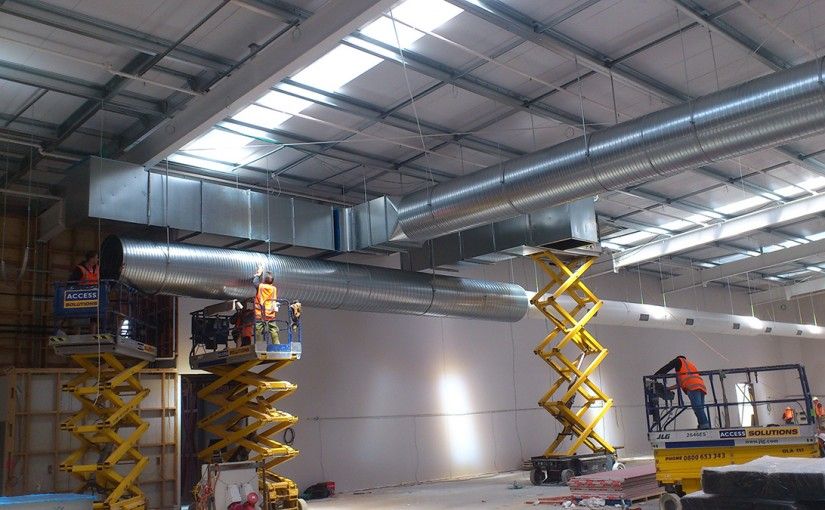
Better still, use a manufacturer who can handle the ducting installation themselves. This route takes away a huge amount of management and risk from the mechanical company and places it with the organisation best placed to handle it: the manufacturer/supplier.
10. Think Beyond Material Cost
The cheapest duct is not always the lowest-cost solution.
A slightly higher-quality system that installs faster may reduce:
- labour hours
- project overheads
- crane time
- access equipment hire
- programme delays
- rework
For commercial projects, installation efficiency often has a much greater impact on total project cost than the price difference between duct systems.
Frequently Asked Questions
What type of HVAC ducting installs the fastest?
In many commercial applications, spiral ducting installs faster because it uses fewer joints, longer sections, and simpler connection methods. However, rectangular ducting remains the better choice where space constraints require a flatter profile.
Does better duct manufacturing reduce installation time?
Yes. Accurate factory manufacturing reduces on-site adjustments, improves fit, minimises air leakage, and shortens installation time.
What should contractors look for in a ducting supplier?
Choose suppliers that offer reliable lead times, consistent manufacturing quality, standardised and stocked components, technical support, and products designed for efficient installation rather than simply the lowest purchase price. Also look for a supplier that offers a managed installation service.
Can installation-friendly ducting reduce project costs?
Yes. Faster installation lowers labour hours, reduces site overheads, minimises delays, and can improve the overall cost of delivering commercial HVAC systems.
Choosing Ducting That Helps Projects Finish Faster
Selecting HVAC ducting systems is no longer just about airflow performance or material cost. Installation efficiency has become a major factor in project success.
Commercial contractors benefit from choosing systems that minimise on-site fabrication, simplify assembly, improve handling, and arrive ready for installation. Features such as standardised fittings, accurate factory manufacturing, reliable supply, and spiral ducting where appropriate can all contribute to faster, more predictable project delivery.
Ultimately, the best commercial ducting solutions are efficient – they save time and perform well. When ductwork is designed with installation efficiency in mind, project teams can reduce labour, maintain programme schedules, and deliver higher-quality HVAC systems with greater confidence.
Related Reading
Firstly, find the best HVAC ducting supplier:
Choose the Right Fabrication Partner for Reliability, Cost & Timelines
Get the fundamentals right of quality performance:
The Hidden Value of High-Quality Ducting
What makes an HVAC system efficient?
Top 7 Custom Ducting Features for Efficient HVAC Systems
Then explore how to design ducting that can adapt:
Designing for Flexibility in Modern HVAC Systems
Understand why on-time delivery is everything:
Availability & Speed in Construction
Understand the true costs of installation
Labour Hire vs Managed Installation