Projects
The Hidden Value of High-Quality Ducting in Large Buildings
Why Quality Costs Less in the Long Term
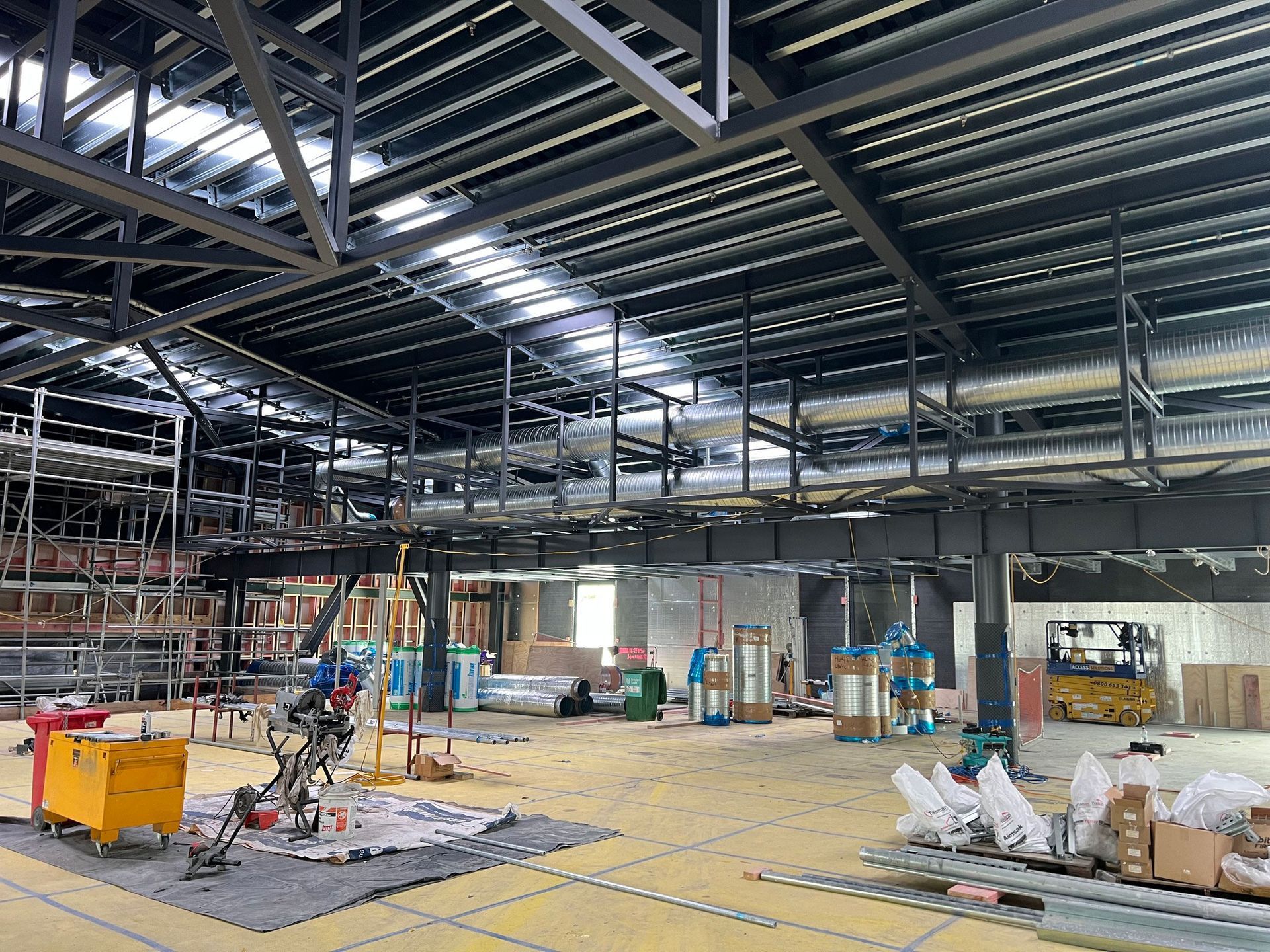
When most people think about HVAC performance, they picture fans, chillers, boilers, and control systems. Hardly anyone thinks about ducting — the invisible network that carries conditioned air through a building. Yet ductwork is one of the most important elements in any major construction project because it determines how efficiently, safely, and effectively that air actually reaches its destination.
In offices, hospitals, stadiums, airports and public infrastructure, ducting isn’t just a commodity. It’s a performance system. And the difference between high-quality ducting and “acceptable” ducting can impact:
- energy consumption
- thermal comfort
- fire safety and smoke control
- acoustic conditions
- operating costs over decades
Below, we break down what “high quality” really looks like — and why you should insist on it from your ducting supplier.
Quality Is Defined by Standards
In most major markets, ducting quality isn’t a matter of opinion — it’s defined by established standards. These documents set out everything from metal thickness and joint types to allowable leakage rates and testing methods.
Some of the key standards include:
- SMACNA HVAC Duct Construction Standards - Worldwide reference for duct construction and sizing.
- AS 4254 - The Australian/NZ standard governing rigid metal ducting materials, construction and installation.
- AS 1668 – Australian and NZ standard for the use of ventilation and air conditioning in buildings. Covering mechanical ventilation, ventilation design and performance.
- AS 1530 – Australian and NZ standard for fire testing building materials, components, and structures
A credible ducting manufacturer can tell you exactly which standard they build to — and show evidence of compliance.
If they can’t, you have a problem.
Airtightness Is Where Money Is Won or Lost
Every duct system leaks a little — but how much matters.
Leakage is measured using airtightness classes (A, B, C, D). In commercial and infrastructure projects, Class C or Class D is commonly targeted because they significantly reduce energy waste. With SPIRO we achieve Class D.
Why does this matter?
Because if 10% of air leaks out of the duct — the system compensates. The fan runs harder, energy consumption rises, and comfort falls - which over the life of a building can cost hundreds of thousands of dollars.
High-quality ducting isn’t just thicker metal. It’s tight, verified, and tested.
Materials Are Part of the Story
Quality ducting starts with the right material.
- For most commercial projects, galvanised sheet steel (commonly G90 / Z275) provides a reliable protective coating against corrosion.
- For environments with chemicals, fumes, or moisture (labs, hospitals, wastewater facilities), stainless steel (304 or 316) may be required.
The specification should clearly define:
- coating weight
- thickness (gauge)
- yield strength
- any special internal or external protection
If these elements are vague, costs and risks increase later.
Fire Safety Is Non-Negotiable
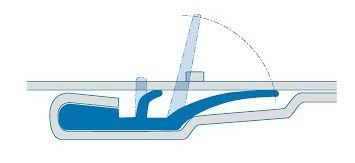
Ducting passes through fire-rated barriers, shafts, and risers. Every penetration into a fire zone must be controlled with a tested fire damper or smoke control system.
The safety chain must be intact:
- the damper must be the correct type
- installed according to test conditions
- accessible for maintenance
- integrated with controls and alarms
High-quality ducting is part of a fire strategy, not an afterthought.
Cleanliness Matters More Than Ever
Dust, debris and cutting waste inside ducts can cause poor IAQ (indoor air quality). As standards like TR19 gain traction, more specifiers are requiring ducts to be delivered sealed and cleaned before installation.
It’s a sign of a high-quality manufacturer when they can show you their clean-build process: protective end caps, sealed packaging, controlled factory environments.
Why Quality Costs Less in the Long Run
High-quality ducting:
- saves energy
- reduces complaints
- extends equipment life
- improves safety
- reduces maintenance costs
Low-quality ducting is a short-term saving with long-term penalties. The duct is expected to last 20–30 years. The small investment in quality up-front will be returned many times over.
Next in the series:
Article 2 — Designing for Flexibility in Modern HVAC Systems