
Projects

Why Most Commercial HVAC Projects Still Choose Galvanised Steel Ducting

Paul Bondsfield • August 12, 2026

Why is galvanised steel the most common material for commercial HVAC ducting?


Galvanised steel remains the most widely specified material for commercial HVAC ducting because it offers the best balance of strength, durability, corrosion resistance and cost. For most office buildings, schools, retail centres, industrial facilities and even hospitals, it provides decades of reliable performance without the additional expense of stainless steel or the reduced rigidity of aluminium.


Unless a project has unusual environmental or hygiene requirements, galvanised steel delivers everything most HVAC systems need.

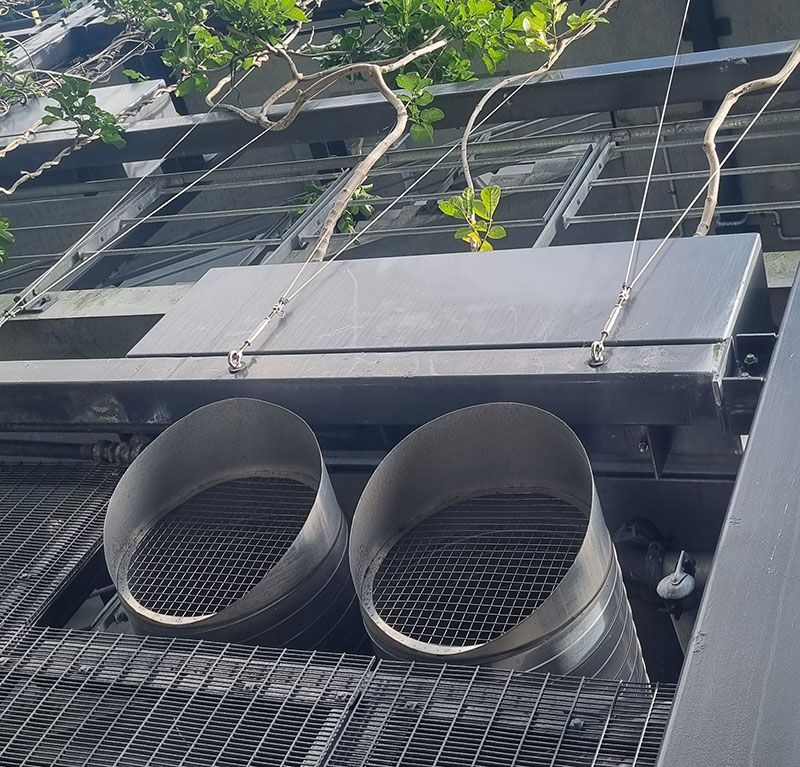
Britomart in Auckland: Galvanised Ducting

Designed for the environments most buildings operate in


Commercial HVAC systems are typically installed inside buildings where they are protected from rain, salt spray and aggressive chemicals.


In these conditions, galvanised steel performs exceptionally well. The zinc coating protects the underlying steel from corrosion, while the steel itself provides the rigidity needed for long duct runs and large duct sections.


For internal air distribution systems, it simply does the job—and has done so reliably for decades.


It offers the best value—not simply the lowest price


It's tempting to compare ducting materials on purchase price alone.


However, commercial projects need to consider:


Galvanised steel performs well across every category.


Stainless steel may offer greater corrosion resistance, but if the building doesn't require it, that additional capability becomes an unnecessary expense rather than added value.

Strong enough for large commercial systems


Commercial HVAC systems often include:

  • large duct sections
  • long suspended runs
  • high air volumes
  • numerous branches and fittings


Galvanised steel provides the structural rigidity needed to maintain shape during fabrication, transport and installation.

That makes it particularly well suited to office towers, shopping centres, airports, hospitals and public infrastructure projects.


Readily available and faster to manufacture


One reason galvanised steel dominates commercial construction is simply availability.


Manufacturers routinely stock galvanised sheet in the gauges required for HVAC fabrication. That means shorter lead times, faster production and more predictable project schedules.


When programme pressures are tight—as they often are—material availability becomes almost as important as material performance.

It supports efficient fabrication


Galvanised steel is well suited to modern automated fabrication.


It can be:

  • laser cut
  • plasma cut
  • folded
  • rolled
  • formed
  • welded
  • assembled


...with consistent accuracy.


This makes it ideal for both standard ducting and complex custom fabrication.


It complies with recognised industry standards


Commercial HVAC ductwork manufactured from galvanised steel can readily comply with industry standards such as AS 4254 and SMACNA


When fabricated correctly, galvanised ductwork provides the airtightness, structural integrity and durability required for demanding commercial projects.


When galvanised isn't the right choice


No material is perfect for every application.


Projects may specify stainless steel where ducting will be exposed to:

  • food processing
  • chemicals
  • corrosive cleaning products
  • marine environments
  • wastewater treatment


Similarly, aluminium may be selected where reducing weight is particularly important.

These applications are important—but they represent specialist requirements rather than the norm for commercial buildings.


The industry standard for good reason


There's a reason galvanised steel has remained the backbone of commercial HVAC systems for generations.


It provides the performance contractors need, the reliability building owners expect and the value project teams demand.


When manufactured to recognised industry standards and installed correctly, galvanised steel ducting delivers decades of dependable service—making it the logical choice for the vast majority of commercial HVAC projects.


Related Reading


Firstly, find the best HVAC ducting supplier:

Choose the Right Fabrication Partner for Reliability, Cost & Timelines


Ensure your duct supplier works to recognised standards for guaranteed quality.

Which standards apply to commercial HVAC ductwork?


Get the fundamentals right of quality performance:
The Hidden Value of High-Quality Ducting


What makes an HVAC system efficient?

Top 7 Custom Ducting Features for Efficient HVAC Systems


Then explore how to design ducting that can adapt:
Designing for Flexibility in Modern HVAC Systems


Choose the best material for your project's environment and performance requirements
Galvanised Steel, Stainless Steel or Aluminium HVAC Ducting: Which Material Is Right for Your Project?


Understand the true costs of installation
Labour Hire vs Managed Installation


Air distribution in Data Centres
By Paul Bondsfield August 20, 2026
Data Centres are complex buildings so getting HVAC ducting right is critical. Six areas for mechanical contractors and duct manufacturers to be aware of for success.
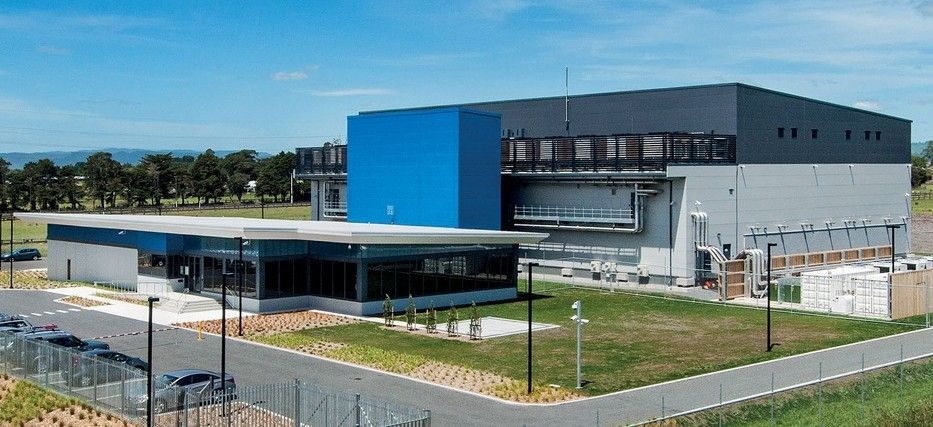
New Zealand Data Centre - Auckland
By Paul Bondsfield August 19, 2026
Explore data centre cooling from an airflow and ductwork perspective, with practical considerations for HVAC projects across New Zealand and Australia.
By Paul Bondsfield August 11, 2026
What is the best material for HVAC ducting: galvanised steel, stainless steel or aluminium? It depends on the location, environment and performance requirements
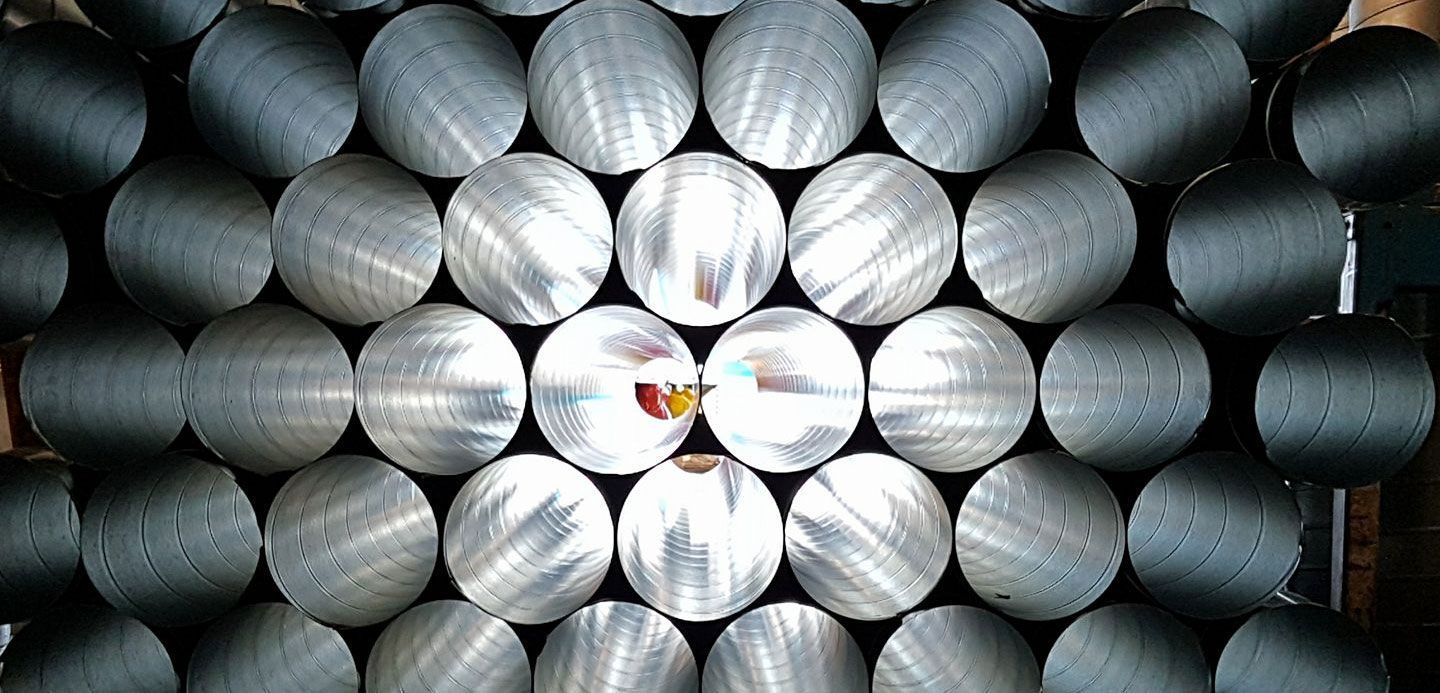
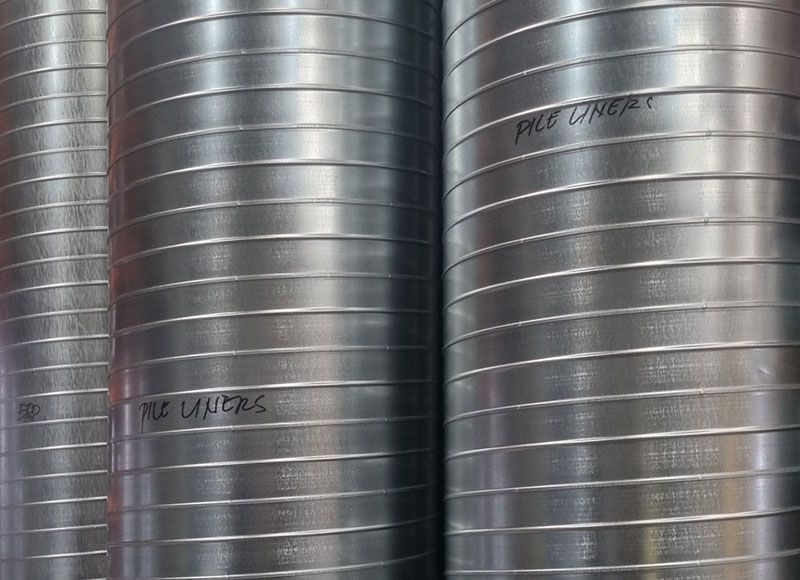
ARLO SPIRO HVAC  Ducting - SMACNA & AS4254 compliant. Photographed end-on
By Paul Bondsfield August 4, 2026
Learn how AS 4254 and SMACNA standards guide commercial HVAC ductwork manufacture and installation, and why they matter to contractors and specifiers.
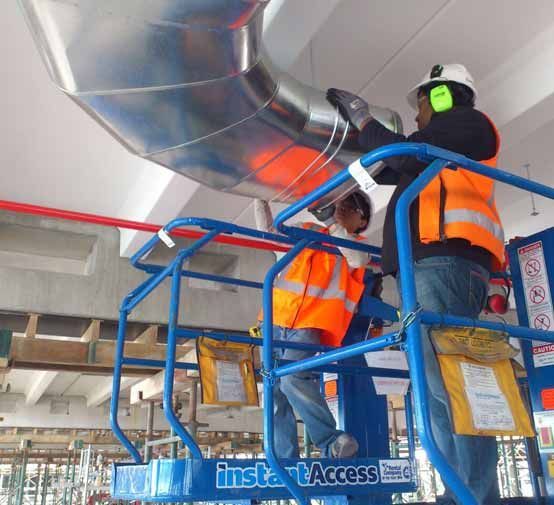
Efficient HVAC Installation
By Paul Bondsfield July 31, 2026
Choose HVAC ducting systems that install faster with less on-site assembly. Learn how commercial ducting solutions improve efficiency, reduce labour costs, and keep HVAC projects on schedule.
By Paul Bondsfield July 29, 2026
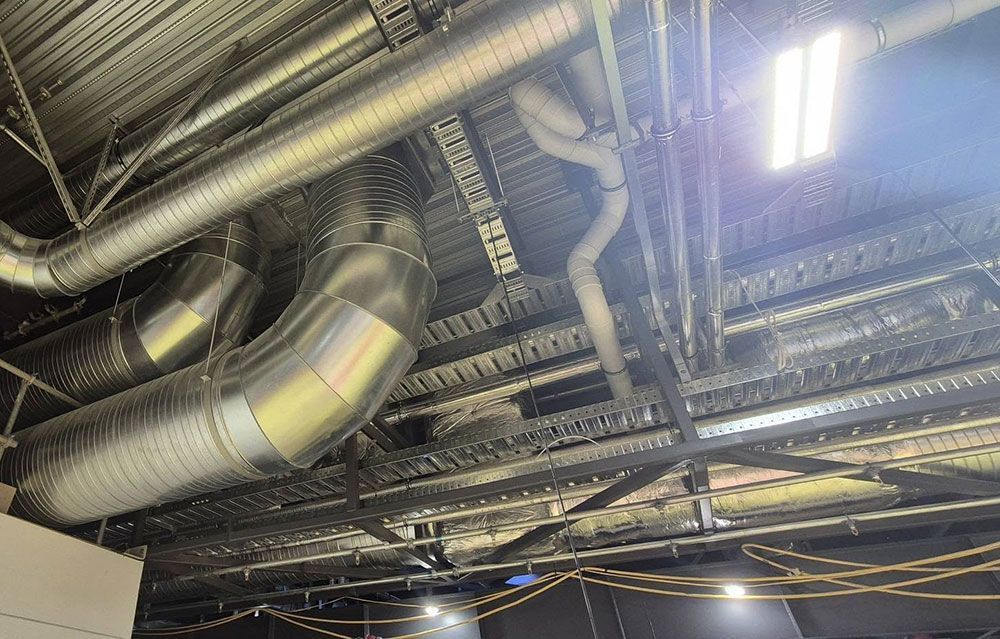
When to use round duct, rectangular duct or oval duct on HVAC projects. The pros and cons of each shape profile

By Paul Bondsfield July 28, 2026
Discover the best metal HVAC ducting for large buildings and infrastructure projects, comparing quality, flexibility, availability and performance
By Paul Bondsfield July 22, 2026
Custom steel ducting fabrication is the process of manufacturing HVAC ductwork to the exact dimensions and performance requirements of a commercial building. It improves installation efficiency, supports better airflow, reduces onsite modifications, and helps contractors deliver projects on time and within budget. When commercial HVAC projects demand precise performance, fast installation, and reliable long-term operation, custom steel ducting fabrication becomes one of the most important parts of the mechanical system. Unlike standard off-the-shelf ductwork, custom fabrication produces ducting that is designed and manufactured specifically for a project's building layout, airflow requirements, equipment, and installation sequence. For commercial HVAC installation contractors, this means fewer compromises, fewer site modifications, and greater confidence that the ductwork will fit first time.
By Paul Bondsfield June 24, 2026
Discover the 7 most important custom ducting features that improve HVAC efficiency, reduce energy costs, and optimise airflow in commercial buildings.
Production facility capacity is key
By Paul Bondsfield June 23, 2026
Custom steel ducting fabrication guide for commercial HVAC contractors. Learn how to choose reliable ducting suppliers based on cost, lead times and project performance.
Show More