Projects

Data Centre Ductwork: What Mechanical Contractors Need to Get Right

Paul Bondsfield • August 20, 2026

Data Centre Ductwork: Six Areas Where the Ductwork Can Make a Difference.


In a data centre, producing cooling is only part of the challenge. Where air cooling forms part of the mechanical design, that air also has to reach the right place, in the right quantity, and return without unnecessary leakage, restriction or mixing.


That puts an important part of the cooling equation firmly into familiar HVAC territory: air distribution and ductwork.


Data-centre cooling systems can be highly specialised, and decisions around cooling technology, capacity, redundancy and operating conditions belong with the project's specialist mechanical and data-centre design teams.


But once that design has been established, mechanical contractors face a much more practical challenge: turning it into an air-distribution system that can be manufactured, coordinated, installed and commissioned as intended.


Here are six areas where the ductwork can make a difference

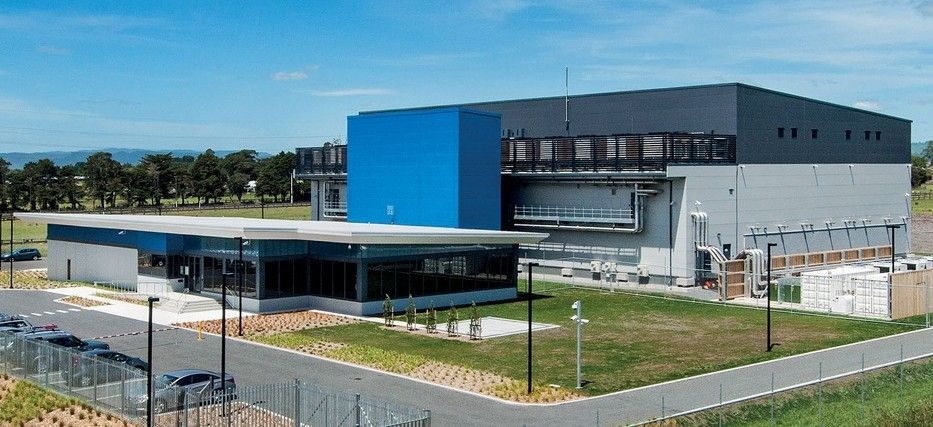
Fern Spark Data Centre with ARLO HVAC Ducting


1. Delivering the designed airflow


The fundamental job of any duct system is to move the required volume of air from one point to another.


In a data centre, however, the effectiveness of that air distribution can have a direct bearing on how effectively the cooling system performs.


ASHRAE's (American Society of Heating, Refrigerating and Air-Conditioning Engineers) guidance for data centres identifies air management as a fundamental consideration, including matching airflow to the IT load and reducing unwanted bypass and recirculation of air.


Where overhead ductwork is used, ASHRAE also notes that ducts need to be large enough to convey the required air volume at velocities and pressures that allow airflow to be adjusted and balanced appropriately.


The precise airflow requirements are matters for the mechanical designer. The role of the ductwork is to faithfully deliver the system that has been designed.


That means dimensions, fittings, transitions, branches and connections all matter.

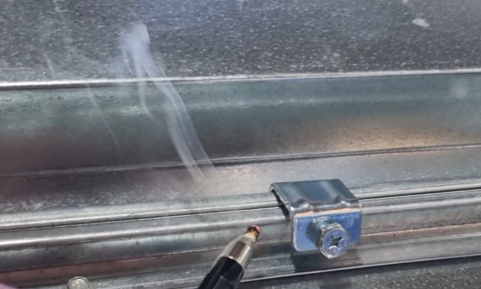
duct air tightness testing - smoke pen


2. Minimising unnecessary air leakage


Air that escapes before reaching its intended destination isn't contributing to the airflow the system was designed to provide.


Minimising air leakage is important in commercial HVAC generally, but particularly relevant where substantial volumes of conditioned air are being moved continuously.


The appropriate duct construction and sealing requirements will depend on the project specification and applicable standards.


For the mechanical contractor, however, the principle is simple: ductwork should perform as a system, not just as a collection of individual components.


Fabrication quality, joints, connections and installation quality all contribute to that outcome.


This is also where standards such as AS 4254 and relevant SMACNA construction guidance become important in translating design requirements into properly manufactured and installed ductwork.


3. Keeping airflow paths as efficient as practicable


Every duct system creates resistance to airflow.


Duct dimensions, length, bends, transitions, fittings and changes of direction all contribute to the overall system pressure that fans have to overcome.


The detailed calculations belong with the system designer, but good fabrication can help ensure the installed system reflects those calculations.


Smooth transitions, accurately manufactured fittings and correctly sized duct sections all help preserve the design intent.


Where the project allows it, round spiral ductwork may offer useful characteristics for some air-distribution routes. Rectangular ductwork, meanwhile, provides flexibility where space constraints and services coordination determine the available geometry.

The answer isn't automatically round or rectangular.


It is about selecting and manufacturing ductwork that works with the mechanical design and the physical realities of the building.

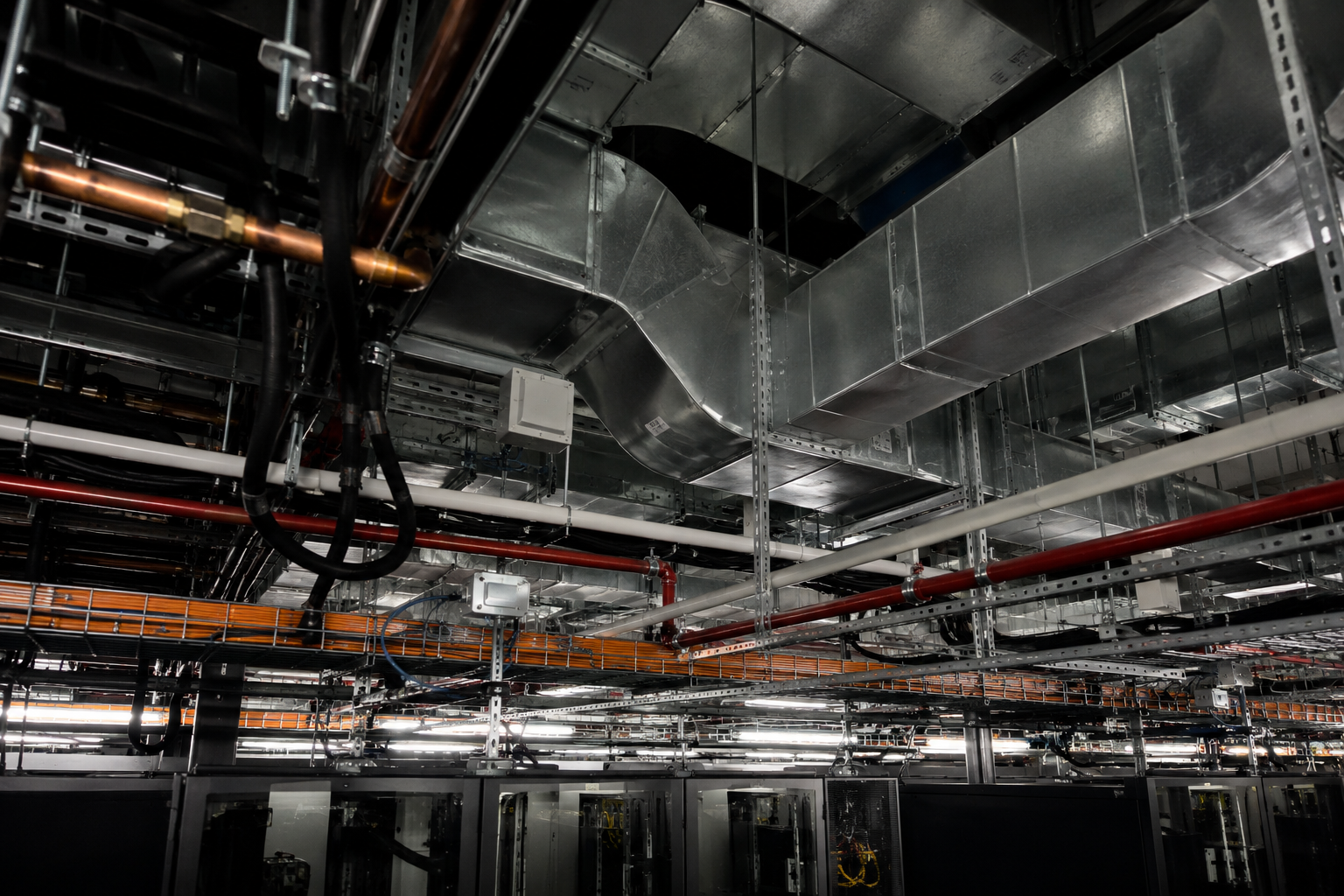
crowded data centre plenum with hvac ducting and other services


4. Coordinating ductwork with an unusually crowded building


This may be one of the most important practical considerations on a complex data-centre project.


Data centres contain a substantial amount of infrastructure.


Alongside HVAC ductwork there may be electrical distribution, cable containment, fire services, chilled-water pipework and other mechanical systems, often competing for the same ceiling and plant spaces.


ASHRAE specifically identifies this as a consideration with overhead air distribution, noting that large ducts can contribute to crowded overhead infrastructure alongside power, cabling and lighting.


For the mechanical contractor, coordination therefore becomes critical.


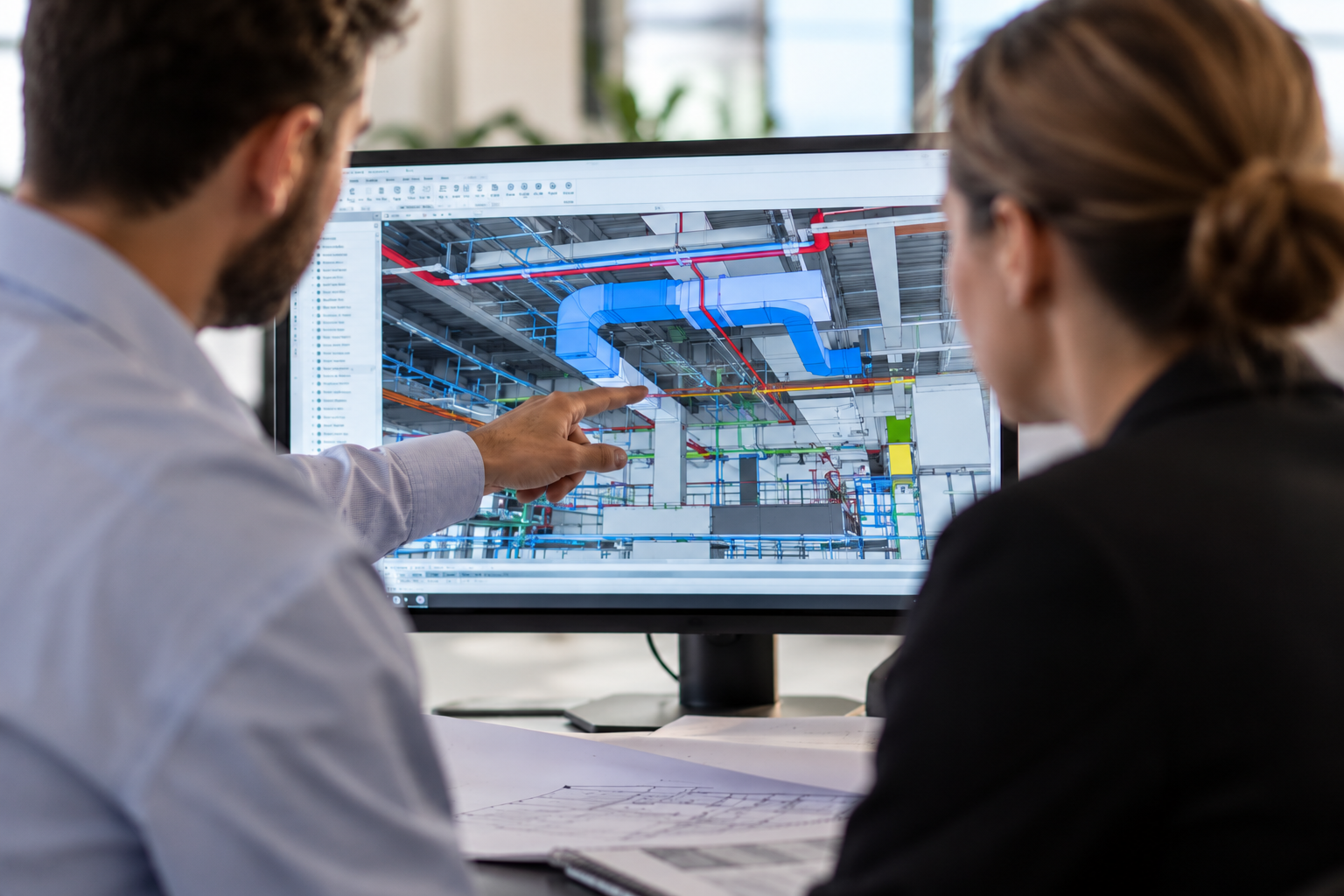
A duct system may work perfectly well on a mechanical drawing but still present significant fabrication or installation challenges once the other services are incorporated into the coordinated model.


Early involvement between the mechanical contractor, duct manufacturer and installation team can help identify those issues before fabricated ductwork reaches site.


This is an area where manufacturing experience can add real value.


It may be possible to alter the way a transition is fabricated, change joint positions, break a large section into more practical installation pieces or use a different duct configuration while remaining within the requirements of the approved mechanical design.


The objective isn't to redesign the system.


It is to make the specified system practical to manufacture and install.


5. Designing fabrication around installation


Data-centre projects can involve large quantities of ductwork, but manufacturing volume alone isn't necessarily the biggest challenge.


Getting that ductwork into the building and into position can be just as important.


Access routes, ceiling congestion, lifting requirements, working space, sequencing and the size of individual duct sections can all affect installation productivity.


This creates an important connection between fabrication and installation.


If ductwork is manufactured without considering how it will be transported through the building and assembled in position, efficiencies achieved in the factory can quickly be lost on site.


Conversely, a fabrication strategy developed with installation in mind can help reduce unnecessary site assembly and modification.


For programme-sensitive projects, that can be significant.


The question therefore shouldn't simply be:

“How quickly can this ductwork be manufactured?”


It should also be:

“How can we manufacture it so that it can be installed efficiently?”

6. Manufacturing consistently at scale


Data-centre developments can be substantial projects with large quantities of mechanical infrastructure and demanding construction programmes.


That makes manufacturing capacity important—but consistency matters just as much.


Repeated duct sections, fittings and connections need to arrive manufactured to the required dimensions and specification. Production also needs to align with the construction sequence so that the right components reach site when the installation team needs them.


For mechanical contractors, this makes the duct manufacturer part of the project's delivery chain.


Factory capacity, quality control, scheduling, communication and logistics all influence what eventually happens on site.


A lower-cost duct section offers little advantage if late delivery leaves an installation crew waiting or inconsistent fabrication requires repeated site modification.

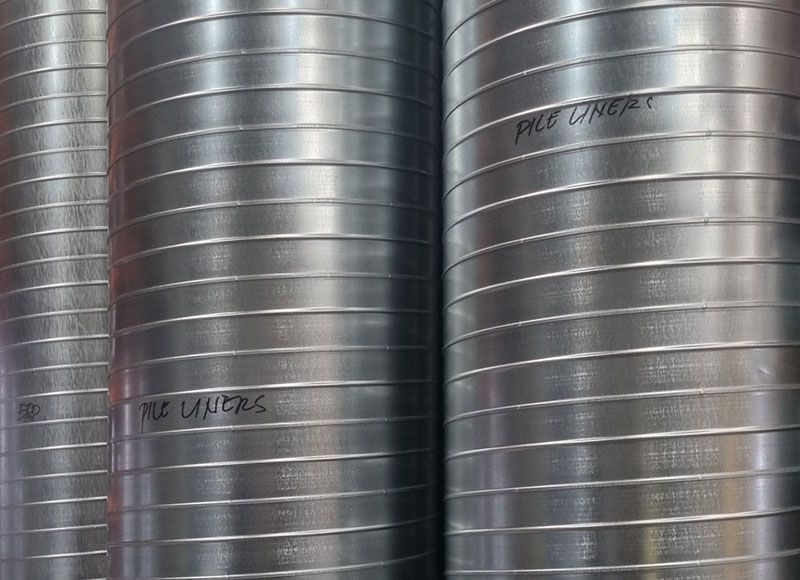
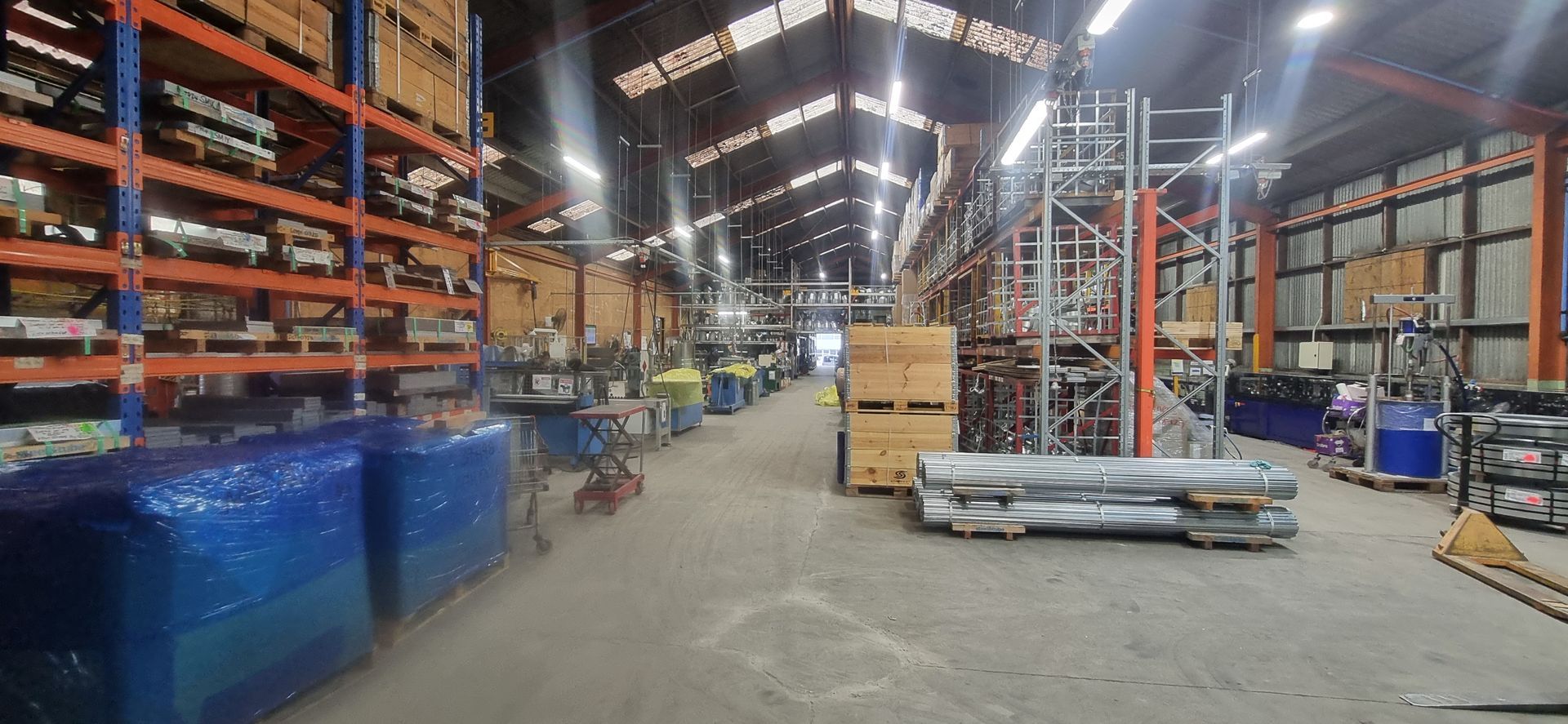
ARLO Auckland HVAC Ducting Factory - Large Capacity


The bigger picture: airflow efficiency


There is a broader reason why all of this matters.


Effective data-centre air management aims to keep conditioned supply air and heated return air appropriately separated and minimise unwanted bypass and recirculation.


ASHRAE describes this as a foundational element of efficient data-centre cooling: before more advanced cooling interventions are considered, waste in air distribution and mixing should be addressed.


The US Department of Energy makes a similar point, identifying supply and return configuration, airflow pathways and minimising the mixing of cooling air with equipment exhaust as fundamental aspects of data-centre air management.

The duct system is only one component in achieving that.


Containment, equipment layout, controls, cooling equipment and commissioning all play important roles.


But wherever ductwork forms part of the airflow path, its job is to move the designed airflow efficiently and reliably from where it is generated to where it is needed—and, where required, back again.

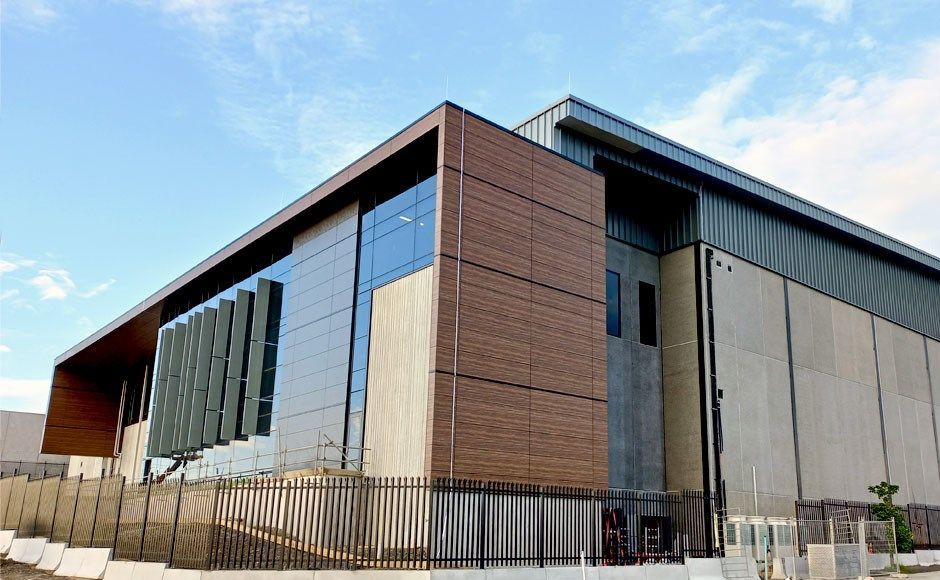
Auckland Data Centre

Where ARLO fits


ARLO doesn't design data-centre cooling systems.


Our expertise is in manufacturing and installing the ductwork that allows mechanical contractors to deliver those systems.

Across custom rectangular ductwork and SPIRO® spiral duct systems, our focus is on translating the mechanical design into accurately manufactured, installation-ready air-distribution infrastructure. Our proprietary Integrated Project Control (IPS) approach delivers reliability and precision across the manufacturing process.


For complex projects, that means looking beyond individual pieces of duct.


It means considering fabrication, coordination, production capacity, delivery sequencing and installation together.


Because on a major data-centre project, good ductwork isn't simply ductwork that meets the drawing. It's ductwork that can be manufactured accurately, delivered reliably and installed efficiently while preserving the intent of the mechanical design.


Related Reading


How Are Data Centres Cooled?

An Airflow and Ductwork Perspective for New Zealand and Australia


Find the best HVAC ducting supplier:

Choose the Right Fabrication Partner for Reliability, Cost & Timelines


Ensure your duct supplier works to recognised standards for guaranteed quality.

Which standards apply to commercial HVAC ductwork?


Get the fundamentals right of quality performance:
The Hidden Value of High-Quality Ducting


Rectangular or Spiral?

When to Use Rectangular or Spiral Ducting for HVAC Projects


Explore how to design ducting that can adapt:
Designing for Flexibility in Modern HVAC Systems


Understand the true costs of installation
Labour Hire vs Managed Installation


New Zealand Data Centre - Auckland
By Paul Bondsfield August 19, 2026
Explore data centre cooling from an airflow and ductwork perspective, with practical considerations for HVAC projects across New Zealand and Australia.
SPIRO Galvanised Steel HVAC Ducting
By Paul Bondsfield August 12, 2026
Galvanised steel is most common for HVAC ducting because of all-round performance, availability, speed of production, value and adherence to industry standards
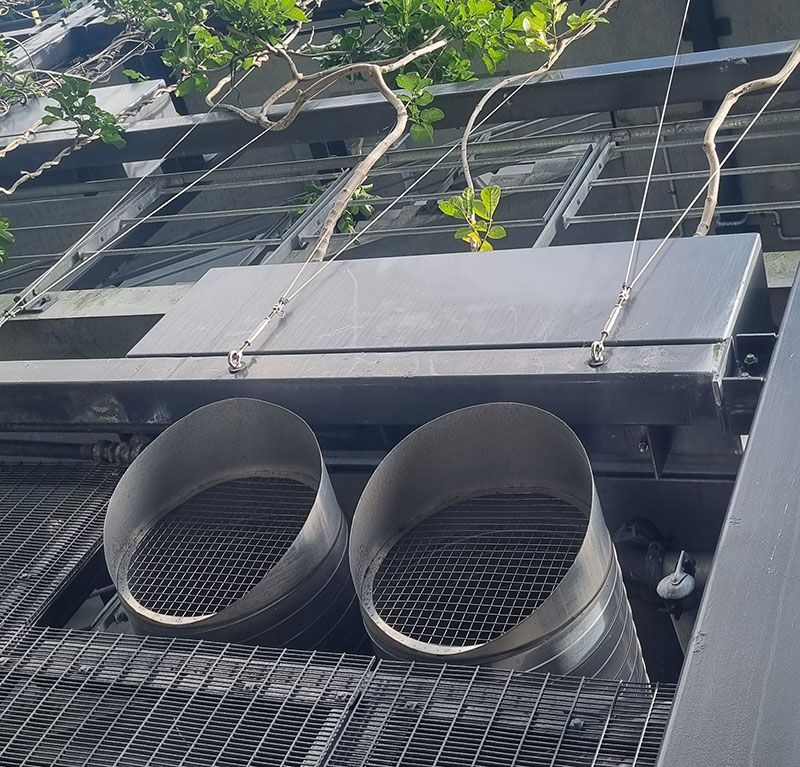
By Paul Bondsfield August 11, 2026
What is the best material for HVAC ducting: galvanised steel, stainless steel or aluminium? It depends on the location, environment and performance requirements
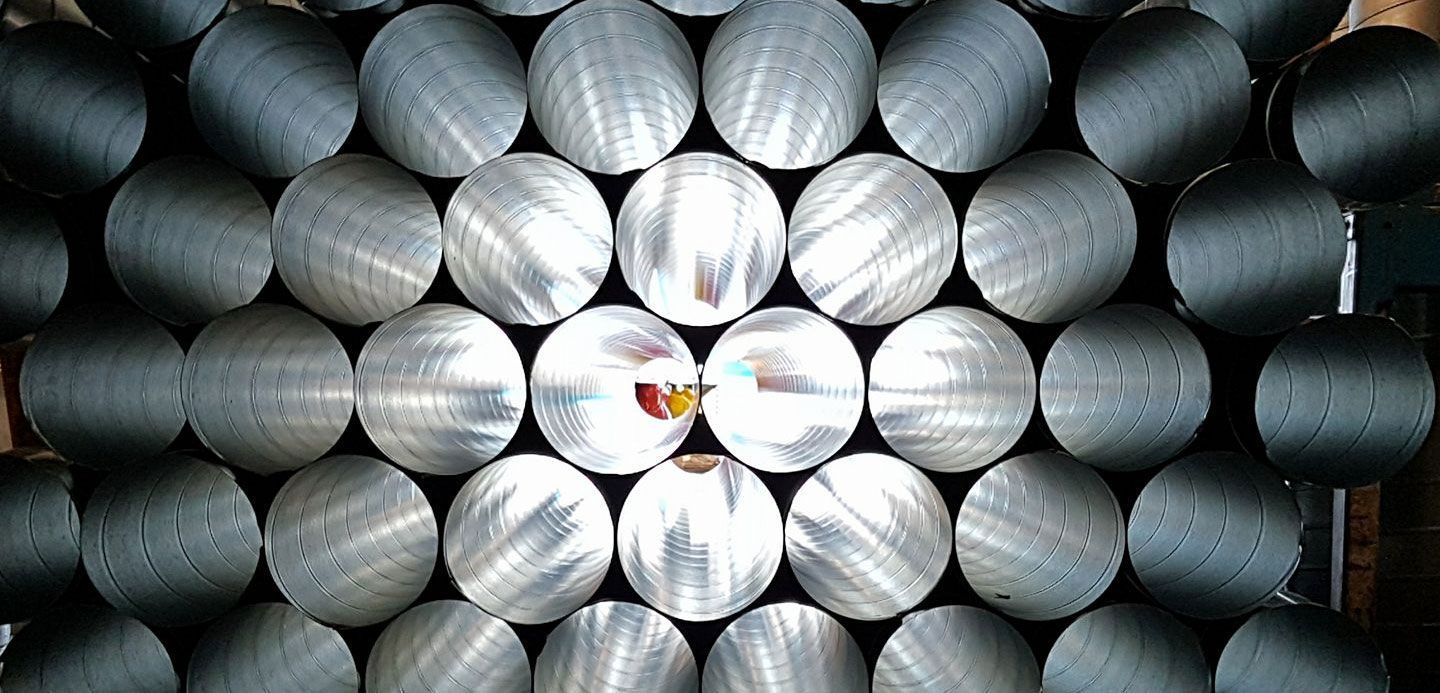
ARLO SPIRO HVAC  Ducting - SMACNA & AS4254 compliant. Photographed end-on
By Paul Bondsfield August 4, 2026
Learn how AS 4254 and SMACNA standards guide commercial HVAC ductwork manufacture and installation, and why they matter to contractors and specifiers.
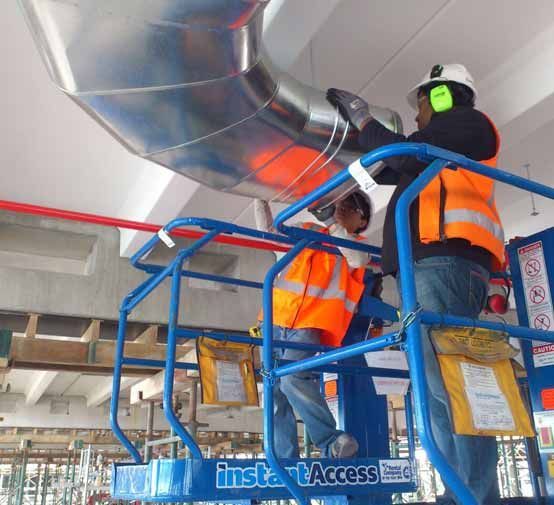
Efficient HVAC Installation
By Paul Bondsfield July 31, 2026
Choose HVAC ducting systems that install faster with less on-site assembly. Learn how commercial ducting solutions improve efficiency, reduce labour costs, and keep HVAC projects on schedule.
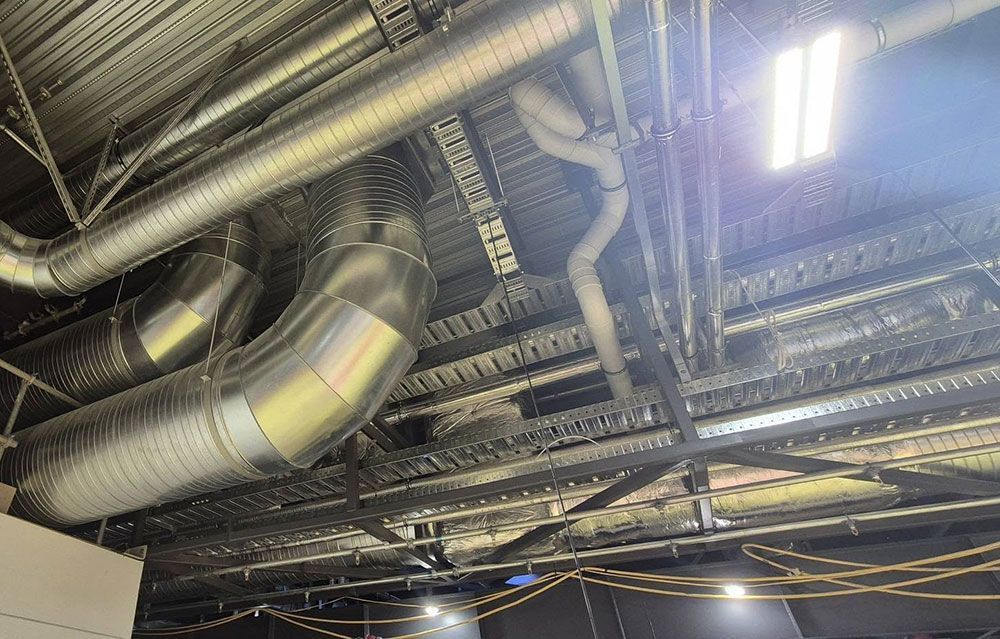
By Paul Bondsfield July 29, 2026
When to use round duct, rectangular duct or oval duct on HVAC projects. The pros and cons of each shape profile

By Paul Bondsfield July 28, 2026
Discover the best metal HVAC ducting for large buildings and infrastructure projects, comparing quality, flexibility, availability and performance
By Paul Bondsfield July 22, 2026
Custom steel ducting fabrication is the process of manufacturing HVAC ductwork to the exact dimensions and performance requirements of a commercial building. It improves installation efficiency, supports better airflow, reduces onsite modifications, and helps contractors deliver projects on time and within budget. When commercial HVAC projects demand precise performance, fast installation, and reliable long-term operation, custom steel ducting fabrication becomes one of the most important parts of the mechanical system. Unlike standard off-the-shelf ductwork, custom fabrication produces ducting that is designed and manufactured specifically for a project's building layout, airflow requirements, equipment, and installation sequence. For commercial HVAC installation contractors, this means fewer compromises, fewer site modifications, and greater confidence that the ductwork will fit first time.
By Paul Bondsfield June 24, 2026
Discover the 7 most important custom ducting features that improve HVAC efficiency, reduce energy costs, and optimise airflow in commercial buildings.
Production facility capacity is key
By Paul Bondsfield June 23, 2026
Custom steel ducting fabrication guide for commercial HVAC contractors. Learn how to choose reliable ducting suppliers based on cost, lead times and project performance.
Show More