
Projects

What is the Best Metal HVAC Ducting for Large Buildings...?

Paul Bondsfield • July 28, 2026

What is the best metal HVAC ducting for large buildings and public infrastructure projects?

For large buildings and public infrastructure projects, galvanised steel ducting is generally the best metal HVAC ducting because it combines strength, durability, fire resistance, corrosion protection and cost-effectiveness.


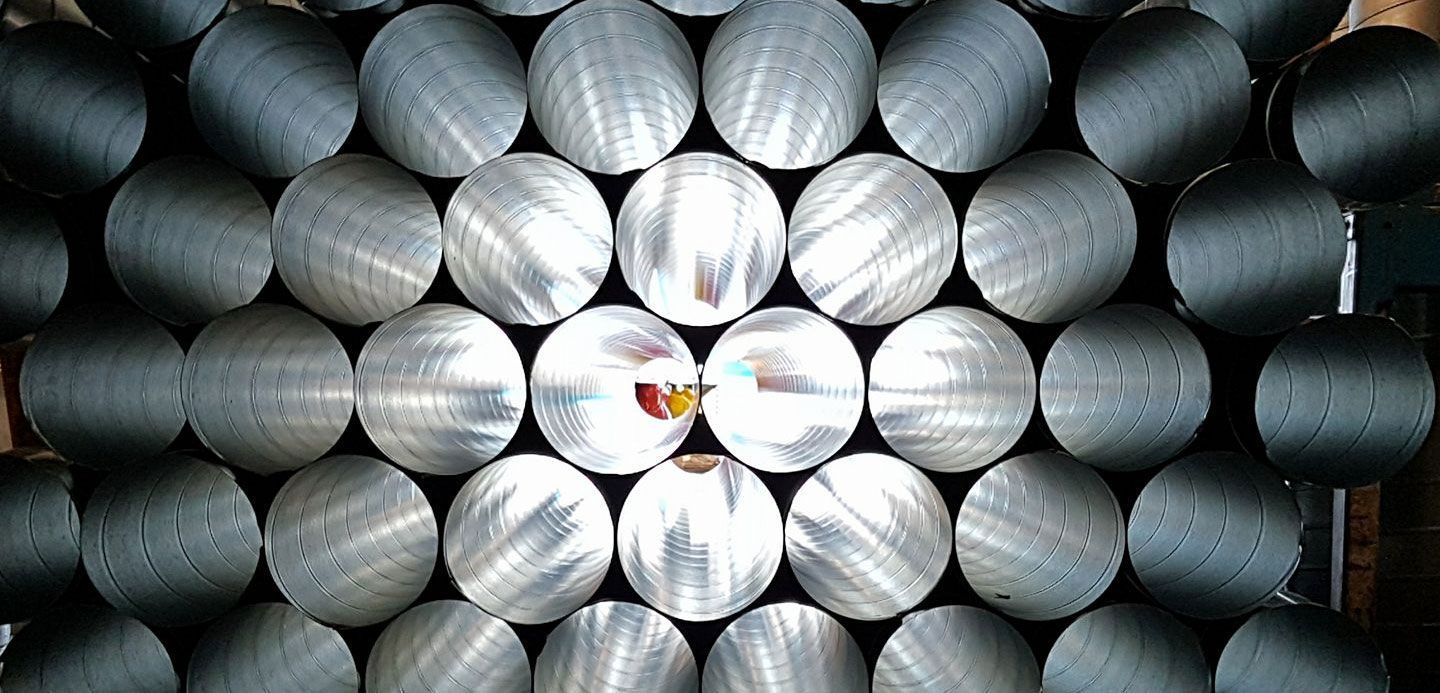
The optimum duct design will depend on the building and available space: round spiral ducting is often preferred for efficient airflow, low leakage and faster installation, while rectangular ducting is useful where ceiling or service space is restricted, and oval ducting can provide a practical compromise between the two.


For major commercial and infrastructure HVAC systems, the best solution is therefore not simply a particular duct shape, but a compliant, well-designed galvanised steel ducting system backed by reliable fabrication, readily available components and responsive technical and installation support.

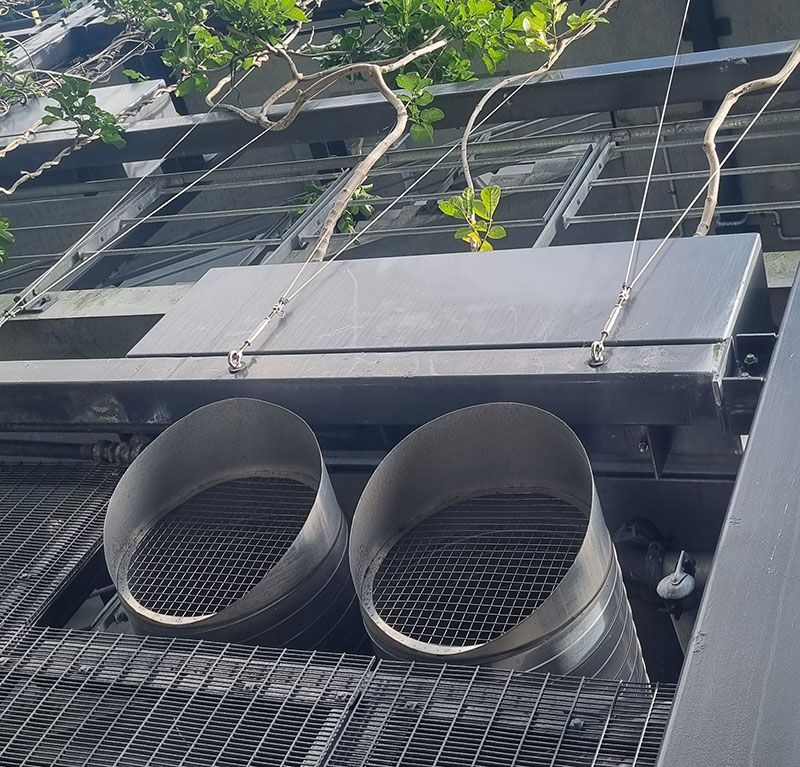
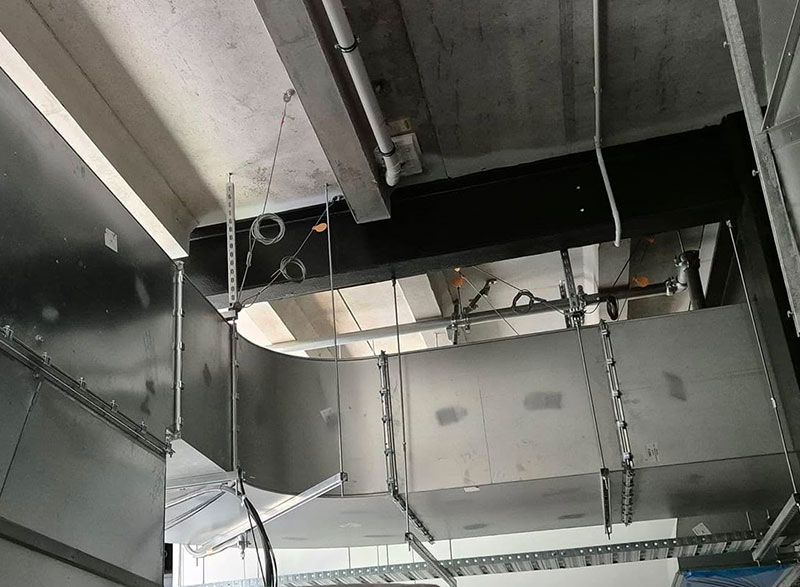
Custom Steel Ducting at Te Kaha


HVAC Performance is More Than Just Moving Air


When it comes to HVAC performance in large-scale buildings—whether it’s a high-rise office, a hospital, or a public infrastructure facility—the ducting you choose is more than just a metal tube to move air. It’s a structural, mechanical, and safety-critical component that affects comfort, energy efficiency, fire safety, maintenance costs, and the lifetime reliability of the system.


For customers commissioning, specifying, or purchasing ductwork, it’s easy to be swayed by price alone. But the real value comes from understanding what quality looks like, how flexible the system is, how readily it can be supplied, and what level of service you can expect from your manufacturer, supplier, and installer.


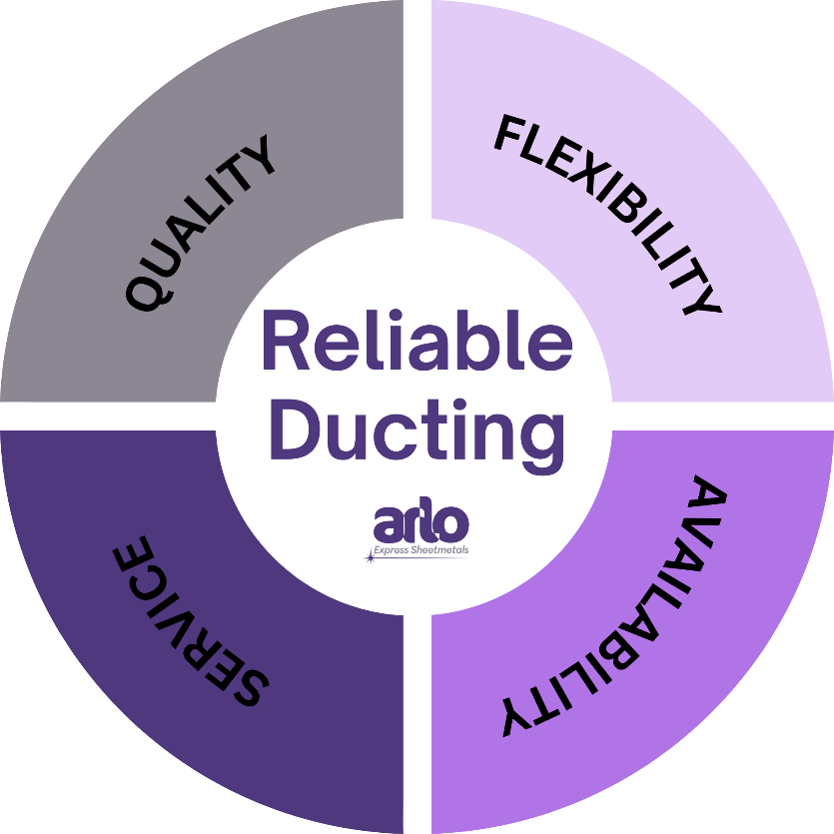
This article breaks down those four key Pillars, using insights from engineering reports, architectural specifications, and builders’ plans, so you can make informed decisions and protect your investment.

Four Pillars of Reliable Ducting


1. Quality: Building a System That Lasts


Quality in ducting is about much more than whether it “looks right” when installed. In commercial and infrastructure projects, ductwork must meet rigorous technical standards for strength, airtightness, fire performance, and hygiene.


International & Regional Standards

  • Fabrication and Construction: In most major markets, ductwork quality is defined by standards such as the SMACNA HVAC Duct Construction Standards (widely used internationally) or BESA DW/144 (UK). In New Zealand and Australia, AS 4254.2 covers rigid metal ductwork, working in tandem with AS/NZS 1668.1 & 1668.2 for ventilation system design.
  • Airtightness: Standards like EN 12237 (circular ducts) and EN 1507 (rectangular ducts) set leakage classes. For large buildings, Class C or D airtightness is often specified to reduce energy waste and prevent conditioned air from escaping. (SPIRO is Class D).
  • Fire Safety: In NZ and Australia, AS/NZS 1668.1 governs smoke control in duct systems. In the US and some other regions, NFPA 90A applies. All penetrations through fire-rated barriers must be fitted with certified dampers, installed exactly as tested.
  • Seismic Restraint: In earthquake-prone regions, ducting must be braced per standards like NZS 4219 to prevent collapse or detachment.


Material Selection

  • Galvanized Steel: ASTM A653 G90 (Z275) coated sheet steel is the most common choice, offering corrosion protection and durability. In harsher environments, stainless steel (304 or 316) may be required.
  • Thickness & Strength: Engineers will specify sheet thickness (gauge) and yield strength to ensure ducts resist deformation under pressure and weight.


Workmanship

  • Proper seam types, joint construction, and stiffening are critical to meeting deflection and leakage targets.
  • Cleanliness during installation is increasingly important—specs may call for compliance with BESA TR19® Air for dust-free delivery and handover.


2. Flexibility: Designing for Change


In large building projects, design changes are inevitable. The ability to adapt duct design quickly—without compromising performance—is a huge advantage.


Adaptable Duct Shapes & Systems

  • Round Spiral Ducting: Often preferred for low leakage, lower pressure drop, and aesthetic exposure in architectural designs.
  • Rectangular Ducting: Useful in space-constrained areas, but requires careful sealing to maintain airtightness.
  • Oval Ducting: A hybrid offering some of the benefits of both.


A manufacturer who can produce and supply all three shapes, (and transition fittings between them), such as ARLO Express, offers you more options during late-stage design changes.


Fire and Smoke Control Adjustments

  • In public infrastructure, late changes to fire zones or damper locations are common. Systems need to integrate dampers and actuators without major redesign.


Seismic and Structural Coordination

  • Pre-engineered seismic restraint kits help installers adapt supports when coordination issues arise on site.


3. Availability: Ensuring Timely Delivery


Even the best-designed duct system is useless if it arrives late or incomplete. Availability is a combination of manufacturing capacity, local stock, and supply chain resilience.


Stock Items vs. Custom Fabrication

  • Common components—elbows, tees, reducers, volume control dampers—should be available off the shelf in standard sizes.
  • Custom sections, unusual diameters, or special coatings may have longer lead times. Understanding this upfront helps avoid schedule delays.


Local Manufacturing Advantage

  • Manufacturers with local production can respond faster to urgent changes, provide quicker replacements, and reduce freight risk.


Compliance-Ready Supply

  • All supplied duct sections should arrive with labels or certificates confirming compliance with the specified standard (AS 4254.2, SMACNA, or equivalent).


4. Service Levels: What to Expect from Your Supplier & Installer


In large-scale projects, ducting suppliers are more than just fabricators—they’re partners in ensuring the HVAC system performs as designed.


Pre-Construction Support

  • Shop Drawings: Detailed layouts showing pressure class, airtightness class, hanger details, damper positions.
  • Engineering Submittals: Material certifications, test data, and QA documentation.


On-Site Support

  • Technical advisors who can resolve conflicts between drawings and reality.
  • Quick-turn manufacturing for replacement or modified sections.


Testing & Commissioning

  • Leakage Testing: Specifying Class C or D is meaningless without testing. Leading contractors will provide formal test reports.
  • Airflow Balancing: To ensure design airflow rates are met.
  • Cleanliness Verification: TR19® certification for handover in healthcare, education, and food facilities.


Post-Installation

  • O&M Manuals: As-built drawings, damper schedules, maintenance requirements.
  • Warranty & Support: Clear terms for product and installation warranties.


Why This Matters to You as a Customer


For a building owner, developer, or main contractor, poor-quality or late ducting can mean:


  • Energy inefficiency from leaks
  • Compromised fire safety if dampers are wrong or missing
  • Project delays due to long lead times or fabrication errors
  • Higher maintenance costs from corrosion, dirt buildup, or damaged sections
  • Tenant dissatisfaction from poor comfort control


By selecting a manufacturer, supplier, and installer who can demonstrate:


  • Proven compliance with recognised standards
  • Flexible design and production capabilities
  • Reliable stock and delivery performance
  • High service and technical support levels


…you protect your project from unnecessary risk.


Questions to Ask Your Ducting Supplier


When engaging a duct manufacturer for a large building or infrastructure project, ask:


1. Which standards do you build to?

2. What airtightness class can you guarantee, and will you test it?

3. Can you provide both rectangular and spiral round ducting, and transition pieces?

4. What’s your typical lead time for custom sizes?

5. Do you carry stock of standard fittings and dampers?

6. What documentation will you provide for compliance and commissioning?

7. Do you offer seismic restraint solutions compliant with NZS 4219 (or local equivalent)?

8. What’s included in your O&M manuals?


Final Thoughts


Metal ducting in large buildings is a hidden asset—most people never see it, but it quietly affects comfort, safety, and operating costs every single day.


For customers of ducting manufacturers, the best outcomes come from engaging early, specifying clearly, and selecting partners who excel in quality, flexibility, availability, and service.


When you get these four pillars right, your ducting will deliver not just air, but long-term performance, efficiency, and safety.


Contact our Team to discuss your project


Related Reading


Firstly, find the best HVAC ducting supplier:

Choose the Right Fabrication Partner for Reliability, Cost & Timelines


Get the fundamentals right of quality performance:
The Hidden Value of High-Quality Ducting


Then explore how to design ducting that can adapt:
Designing for Flexibility in Modern HVAC Systems


Understand why on-time delivery is everything:
Availability & Speed in Construction


Understand the true costs of installation
Labour Hire vs Managed Installation


By Paul Bondsfield July 22, 2026
Custom steel ducting fabrication is the process of manufacturing HVAC ductwork to the exact dimensions and performance requirements of a commercial building. It improves installation efficiency, supports better airflow, reduces onsite modifications, and helps contractors deliver projects on time and within budget. When commercial HVAC projects demand precise performance, fast installation, and reliable long-term operation, custom steel ducting fabrication becomes one of the most important parts of the mechanical system. Unlike standard off-the-shelf ductwork, custom fabrication produces ducting that is designed and manufactured specifically for a project's building layout, airflow requirements, equipment, and installation sequence. For commercial HVAC installation contractors, this means fewer compromises, fewer site modifications, and greater confidence that the ductwork will fit first time.
By Paul Bondsfield June 24, 2026
Discover the 7 most important custom ducting features that improve HVAC efficiency, reduce energy costs, and optimise airflow in commercial buildings.
Production facility capacity is key
By Paul Bondsfield June 23, 2026
Custom steel ducting fabrication guide for commercial HVAC contractors. Learn how to choose reliable ducting suppliers based on cost, lead times and project performance.
Commercial HVAC Installation
By Paul Bondsfield June 19, 2026
How does commercial HVAC installation affect project timelines? Learn the key factors that accelerate or delay commercial construction projects.
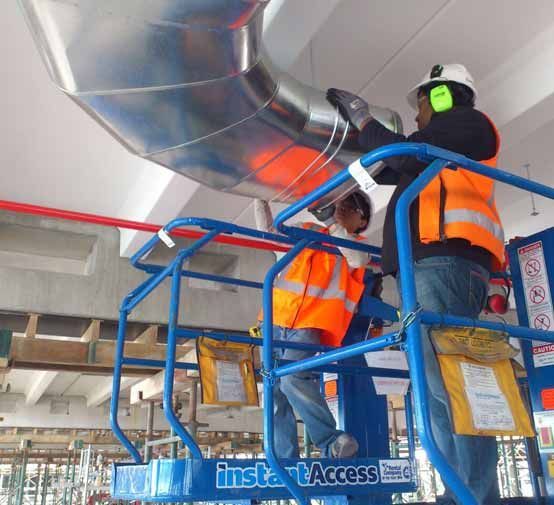
Skilled HVAC ducting installers at work
By Paul Bondsfield June 10, 2026
Discover how managed HVAC ducting installation reduces project risk, rework and contractor management overhead. Supply, install and logistics support from one team.
SwiftSteel steel culvert
By Paul Bondsfield May 18, 2026
Compare steel, concrete and plastic culverts for NZ and Australian civil, rural and stormwater projects. Learn which delivers the best long-term value for strength, speed and durability
Remove delays on site with readily available ducting accessories
By Paul Bondsfield March 19, 2026
Discover why HVAC projects run late and how stocked ducting components and smarter supply strategies can keep construction programmes on track.
Te Kaha - Christchurch Stadium - With ALO Ducting
By Paul Bondsfield January 21, 2026
In compressed construction programmes, ducting availability and local manufacturing offer major advantages. Learn how supply reliability reduces delays and cost risks on site.
ARLO Express Sheetmetals - Brisbane
By Paul Bondsfield January 21, 2026
How to evaluate ducting partners beyond metal supply. A guide to assess technical support, documentation, testing, and on-site services for major HVAC projects.
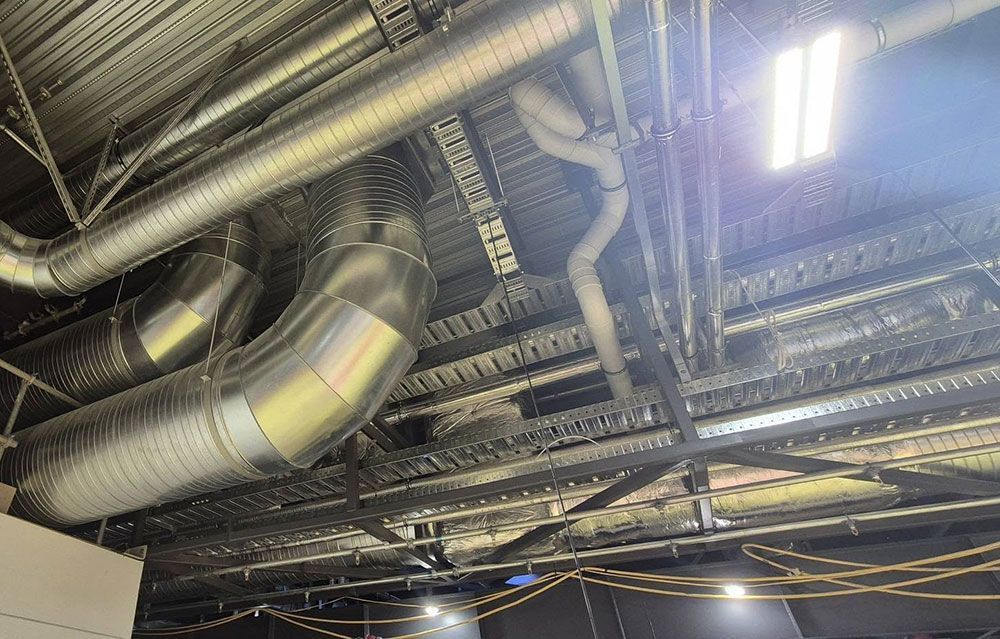
Complex duct installation
By Paul Bondsfield January 21, 2026
Modern buildings change during construction. Learn how flexible ducting systems reduce risk, support fire safety changes, and improve installation speed.
Show More