
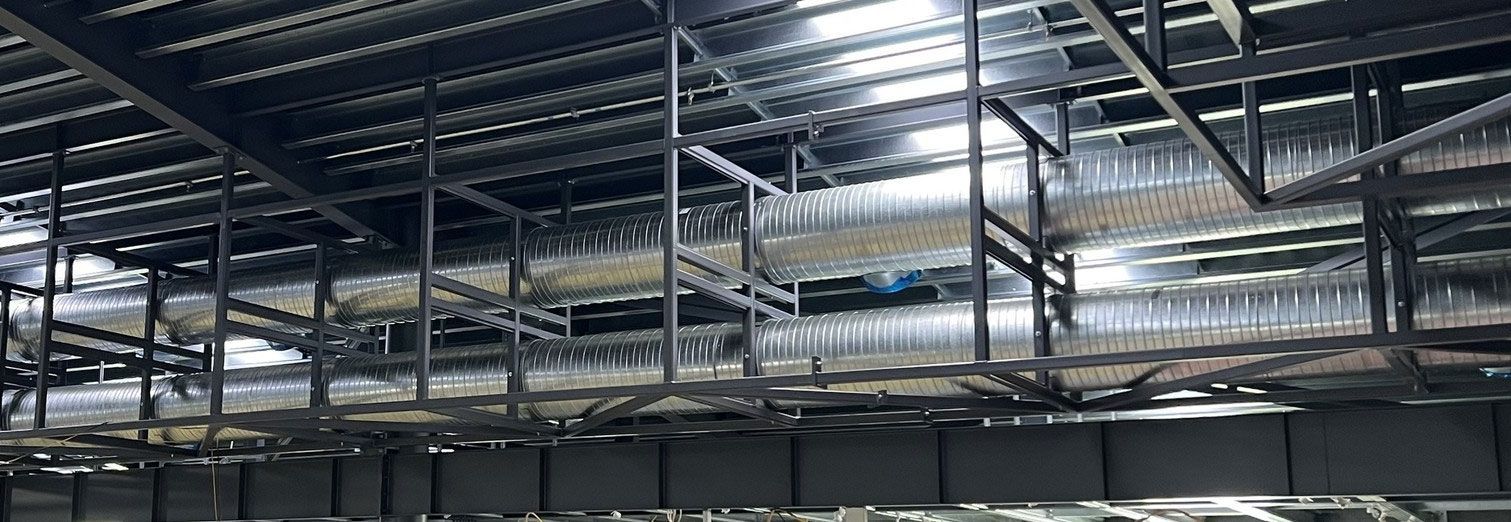

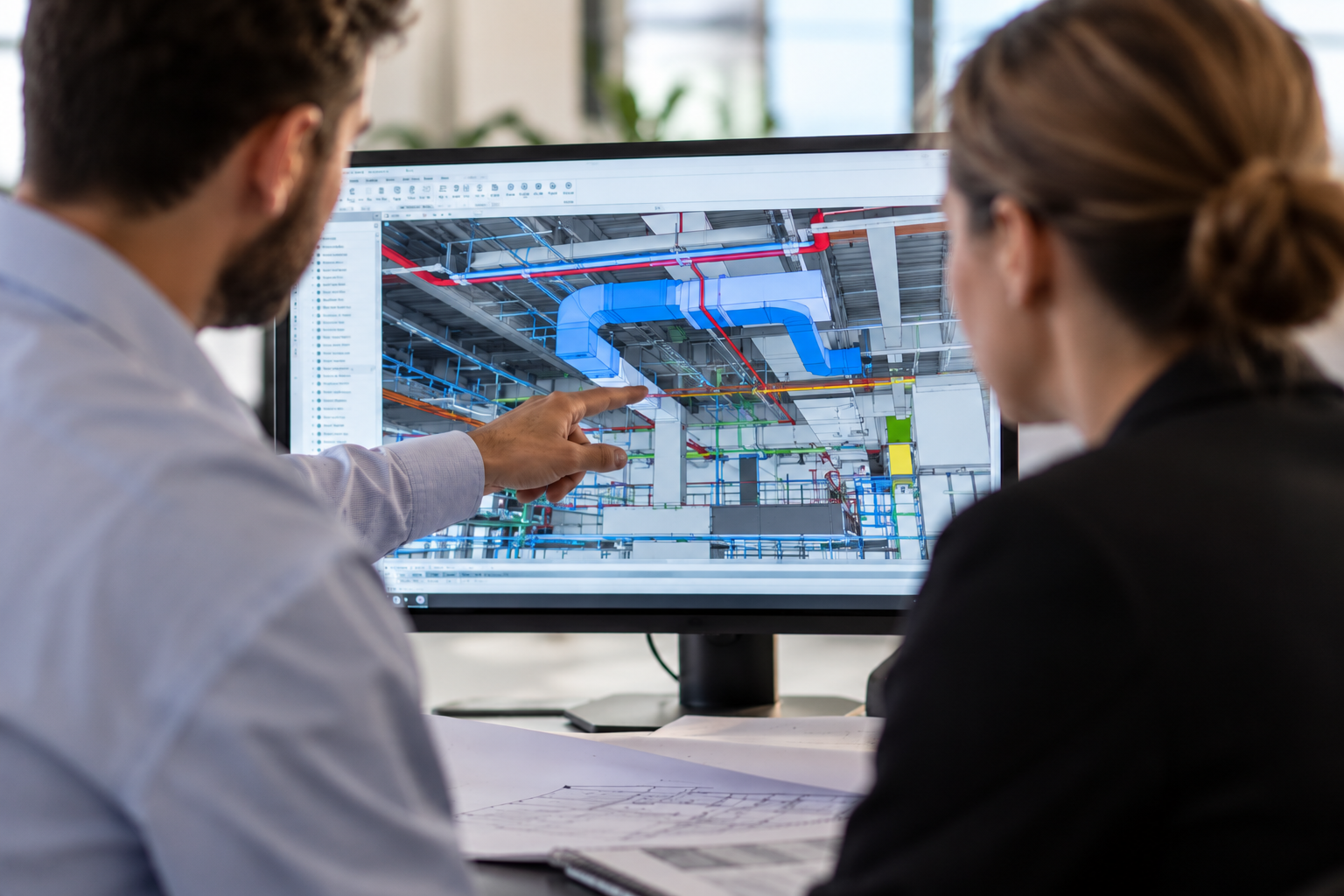
A major Australian data centre project highlights how off-site fabrication is becoming a strategic work package in mechanical contracting and construction delivery.

Discover why early HVAC design decisions, better coordination and off-site manufacturing can reduce rework, improve productivity and help deliver better buildings.
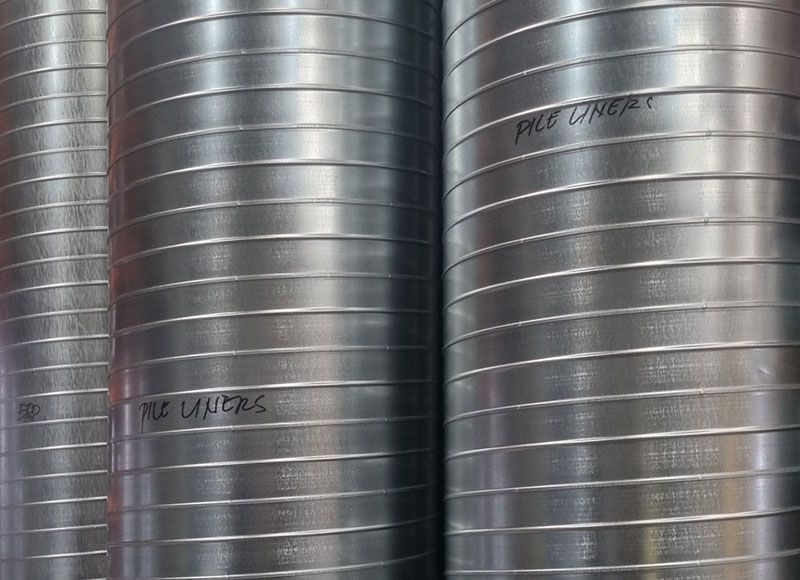
Marine environments are harsh and unforgiving for construction. SwiftSteel pile liners can be the ideal solution combining strength, rigidity & on-site adaptability
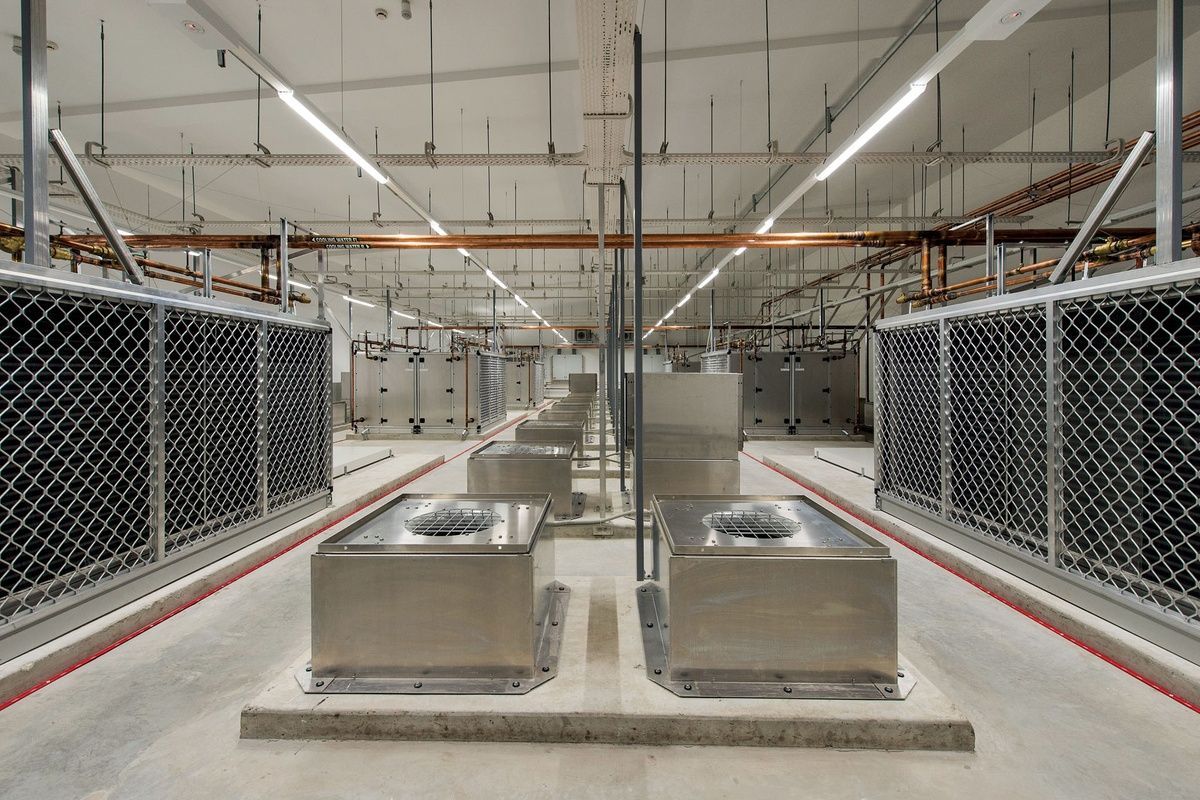
Data Centres are complex buildings so getting HVAC ducting right is critical. Six areas for mechanical contractors and duct manufacturers to be aware of for success.
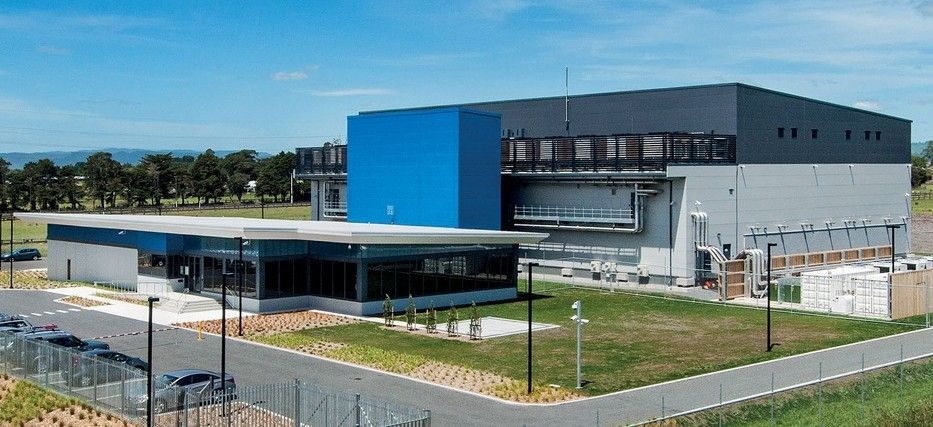
Explore data centre cooling from an airflow and ductwork perspective, with practical considerations for HVAC projects across New Zealand and Australia.
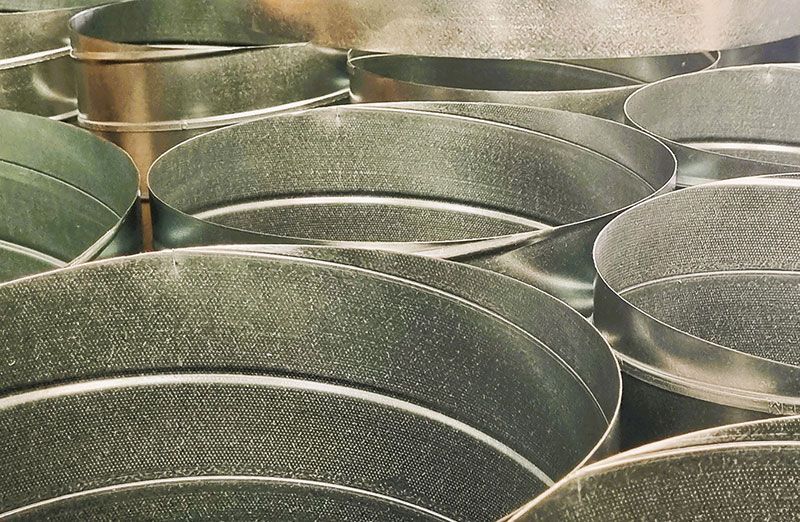
Galvanised steel is most common for HVAC ducting because of all-round performance, availability, speed of production, value and adherence to industry standards
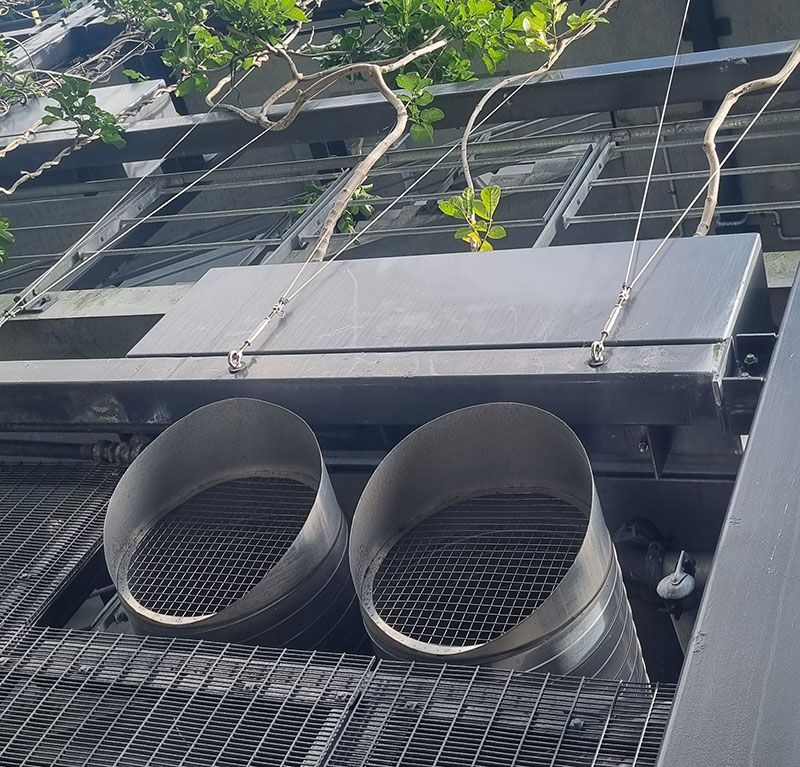
What is the best material for HVAC ducting: galvanised steel, stainless steel or aluminium? It depends on the location, environment and performance requirements
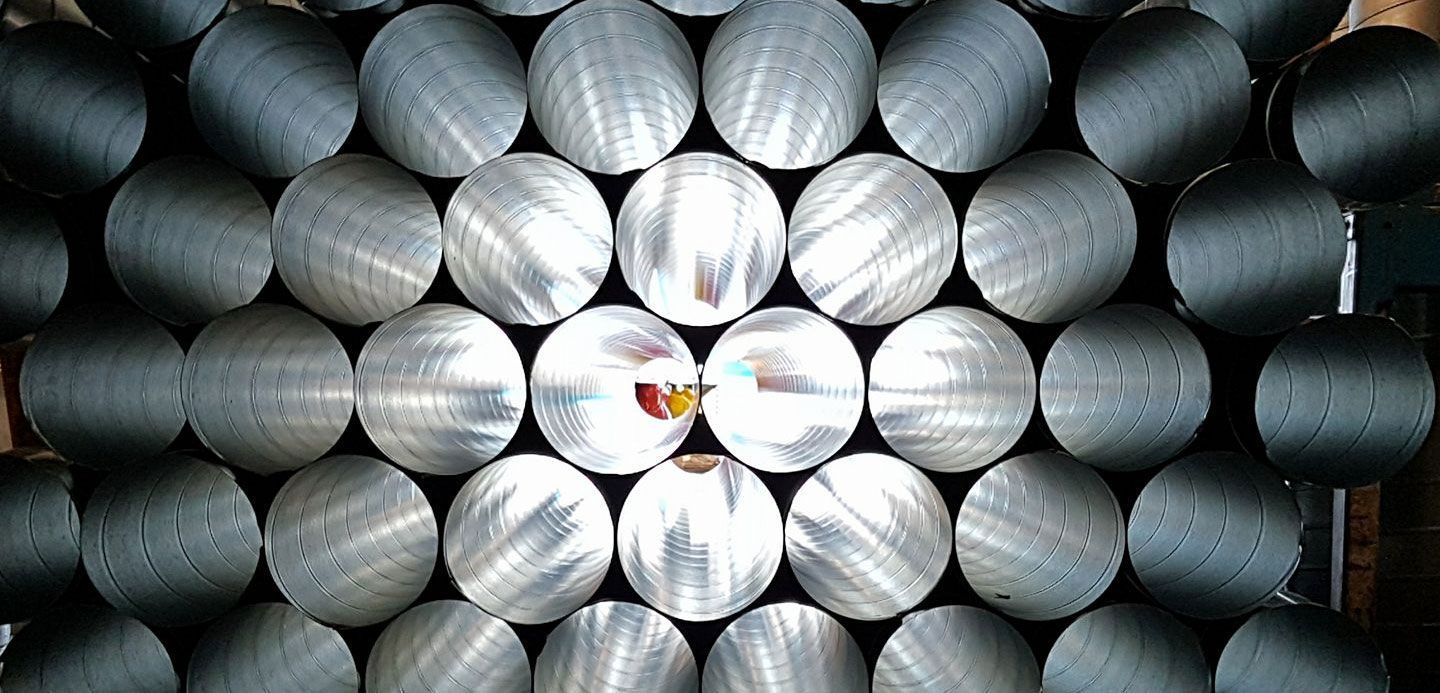
Learn how AS 4254 and SMACNA standards guide commercial HVAC ductwork manufacture and installation, and why they matter to contractors and specifiers.
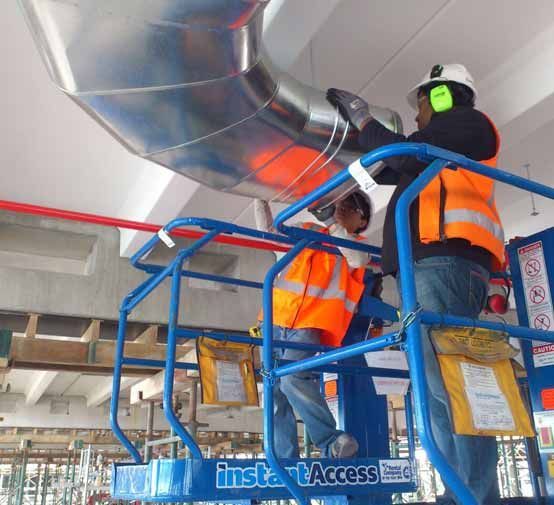
Choose HVAC ducting systems that install faster with less on-site assembly. Learn how commercial ducting solutions improve efficiency, reduce labour costs, and keep HVAC projects on schedule.
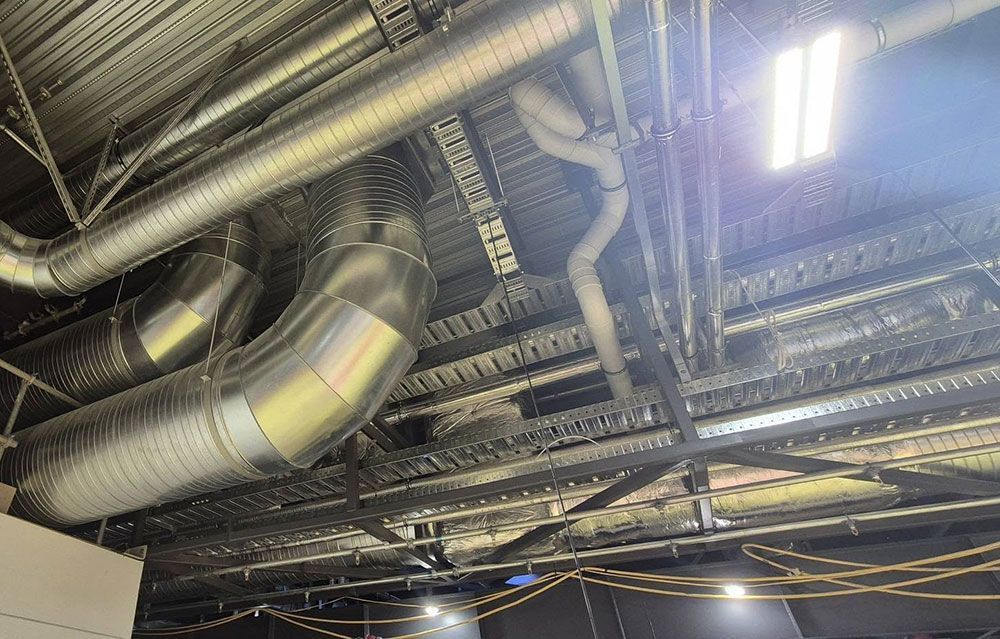
When to use round duct, rectangular duct or oval duct on HVAC projects. The pros and cons of each shape profile