
Projects

Pile Liners for Marine Environments: Why Steel Can Be the Right Choice

Paul Bondsfield • September 4, 2026

Pile Liners for Marine Environments: Why Steel Can Be the Right Choice


Marine and waterfront construction presents a particular set of challenges for piling.


Wharves, jetties, bridges, seawalls and other coastal structures may involve unstable ground, groundwater, tidal conditions and difficult site access. At the same time, piling components need to withstand transportation, handling, installation and concrete placement before the finished structure ever enters service.


In these conditions, the choice of pile liner can have an important bearing on both constructability and the performance of the finished pile.

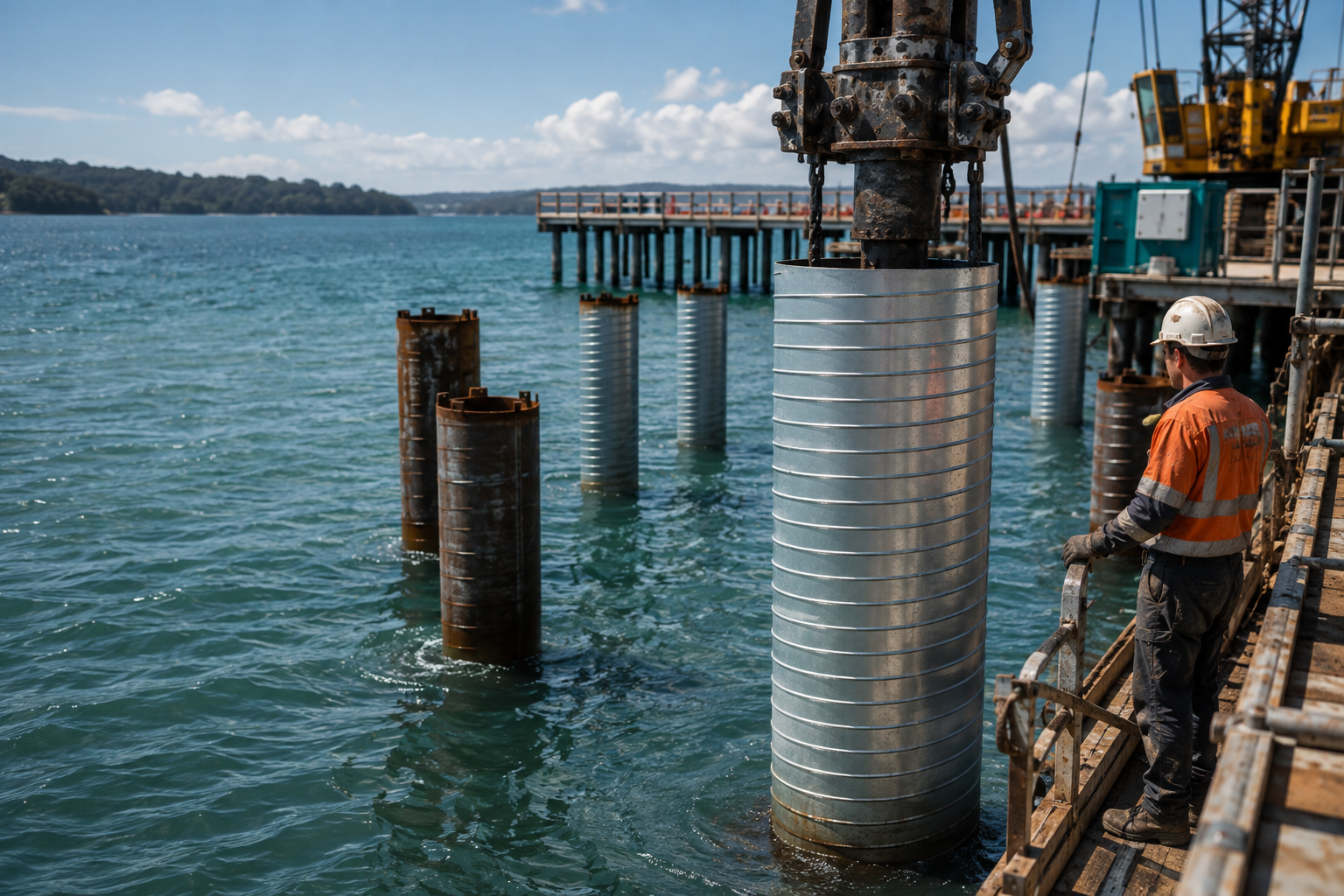
SwiftSteel pile liners are ideal for marine environments

Why use a pile liner in marine construction?


Pile liners or casings provide a stable form within which a reinforced concrete pile can be constructed. They can be particularly valuable where ground conditions make an unsupported bore difficult to maintain.


New Zealand's SESOC/NZGS Pile Construction Specification specifically provides for permanent steel casings in bored pile construction to maintain bore stability. It also recognises that casing thickness may need to increase according to the conditions encountered and the contractor's method of working.


For marine and waterfront projects, those conditions can make a robust liner especially valuable.


A permanent pile liner can help:


  • maintain the integrity and dimensions of the pile bore
  • prevent surrounding material falling into the excavation
  • limit seepage into the bore
  • provide a consistent form for concrete placement
  • resist pressure during the concrete pour
  • simplify construction where ground conditions are challenging.


The question then becomes: what should that liner be made from?

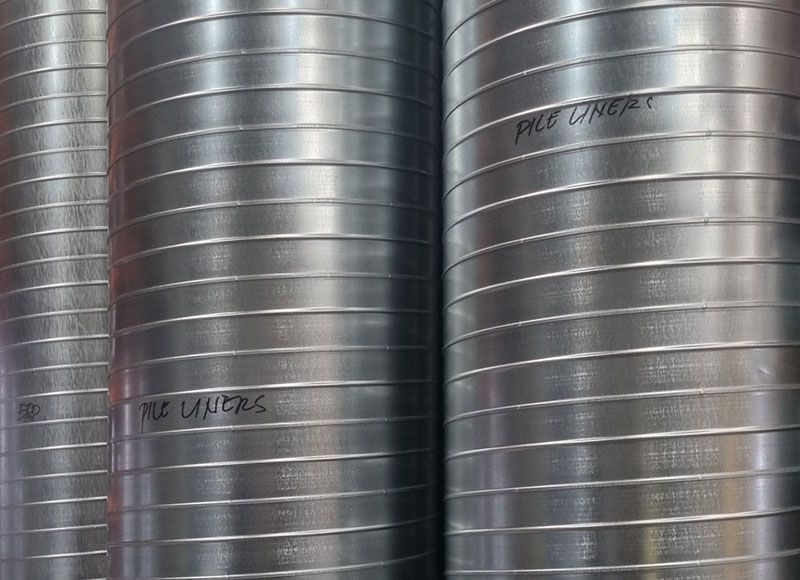
SwiftSteel steel pile liner

The Case for Steel


Plastic and other liner materials have their place, and corrosion resistance can make plastic an attractive choice in some applications. But marine piling is about more than resistance to water.


The liner first has to get to site, be handled, positioned and installed successfully. It then needs to retain its shape while the pile is constructed.


This is where steel offers some important advantages.


1. Rigidity when it matters


One of the principal advantages of steel is its inherent stiffness.


A pile liner that maintains its circular profile during handling and installation provides a reliable form for the pile being constructed inside it. That can be particularly important where ground conditions are unstable or significant external pressures are present.


SwiftSteel™ pile liners use a spirally wound construction with a locked seam designed to stabilise the tube and maintain its tolerances through transportation, handling and installation.


The result is a relatively lightweight liner with high crush strength and structural rigidity.


2. Designed to cope with concrete pressure


Installing the liner is only part of the job. It must also perform during the pour.


As concrete is placed, hydrostatic pressure can act against the liner wall. A sufficiently rigid steel liner helps resist distortion and maintain the intended pile dimensions throughout this process.


For contractors working in difficult marine or waterfront conditions, that robustness can provide a valuable degree of confidence during construction.


3. Flexibility for non-standard projects


Marine infrastructure rarely comes in one standard size.


Pile diameter, depth and site conditions can vary considerably between projects — and sometimes within the same project.

Steel lends itself particularly well to this kind of customisation.


SwiftSteel pile liners can be manufactured from 100mm to 2500mm in diameter and in virtually any required length. Standard 3m and 4m sections are also held in stock, allowing projects to combine readily available liners with bespoke components where required.


They can also be cut and modified on site using conventional metalworking methods, providing additional flexibility when actual site conditions differ from those anticipated.

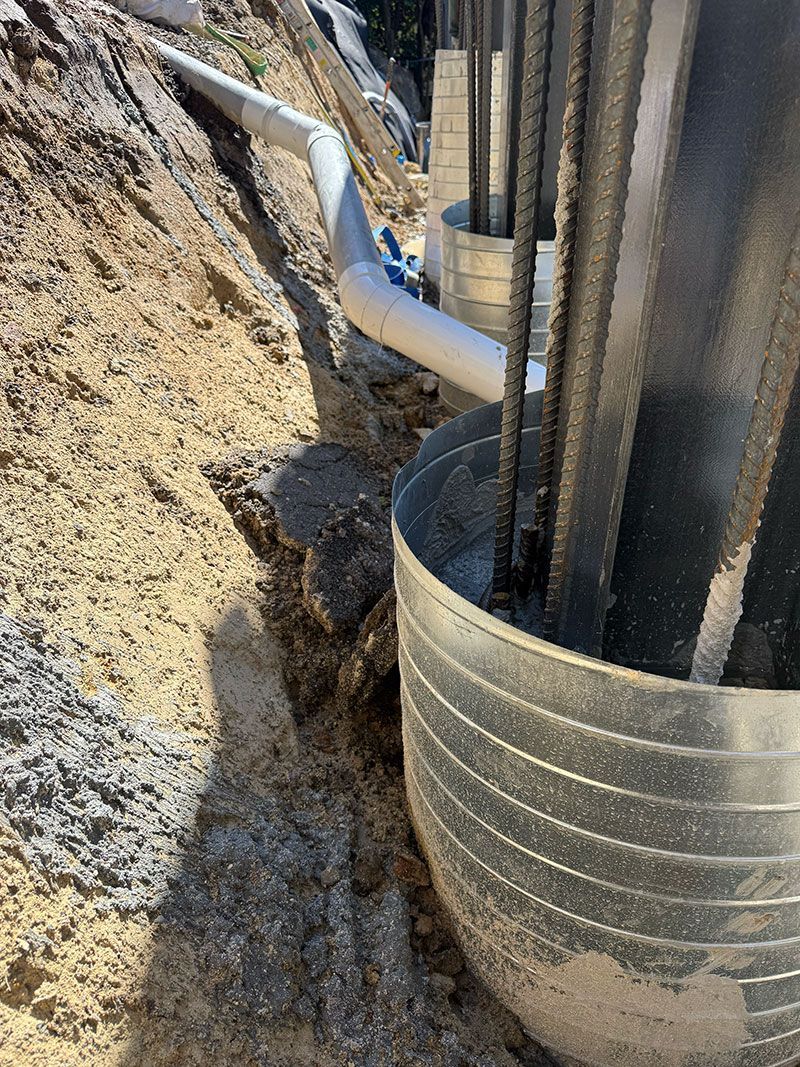
Steel pile liners in unstable ground


What About Corrosion?


Corrosion is an important consideration whenever steel is specified for a marine environment — and it shouldn't be ignored.

Salt water, chlorides and the different conditions created by submerged, tidal, splash and atmospheric zones can all affect the rate at which exposed steel corrodes. The appropriate steel specification and corrosion protection strategy therefore need to be considered as part of the overall engineering design.


SwiftSteel pile liners are manufactured from Z275 galvanised G250 mild steel as standard, with Z600 galvanised and 304 or 316 stainless steel options also available.


The appropriate choice will depend on factors including the liner's function, degree and duration of exposure, whether it forms part of the permanent structure and the required design life.


For demanding marine applications, pile liner selection should therefore be considered alongside the project's structural, geotechnical and durability requirements rather than treating all steel liners as interchangeable.


Constructability matters too


There is a broader point here.


Material selection in civil construction is often discussed in terms of the finished structure. But the performance of a component during construction can be just as important.


A pile liner has to survive transport and handling. It has to reach its intended position without unacceptable deformation. It needs to provide stability while the bore is completed and reinforcement positioned. And it needs to retain its form while concrete is poured.


In challenging marine environments, those practical considerations can make the strength and rigidity of steel particularly valuable.

A practical option for marine and waterfront piling


There is no single pile liner material that is right for every marine project. Ground conditions, exposure, structural requirements, installation methodology and design life all need to be considered by the project's engineers and contractors.


Where rigidity, crush strength, dimensional stability and flexibility of manufacture are priorities, however, steel pile liners provide a compelling option.


SwiftSteel™ pile liners are manufactured by ARLO Express Sheetmetals in New Zealand and Australia for civil and infrastructure applications, with standard and bespoke sizes available for permanent pile liners, piers, columns and other concrete forming applications.


Planning a marine or waterfront piling project?


Talk to ARLO early about diameter, length, material specification and programme requirements. SwiftSteel pile liners can be manufactured to suit individual project requirements, including short-lead-time and non-standard applications.


Related Reading


Steel vs Concrete Culverts?

Best Options for NZ & Australia Civil & Rural Projects


Availability & speed

The New Competitive Advantage in Construction


Ensure your duct supplier works to recognised standards for guaranteed quality.

Which standards apply to commercial HVAC ductwork?

By Paul Bondsfield • October 12, 2026
A major Australian data centre project highlights how off-site fabrication is becoming a strategic work package in mechanical contracting and construction delivery.

By Paul Bondsfield • September 22, 2026
Discover why early HVAC design decisions, better coordination and off-site manufacturing can reduce rework, improve productivity and help deliver better buildings.
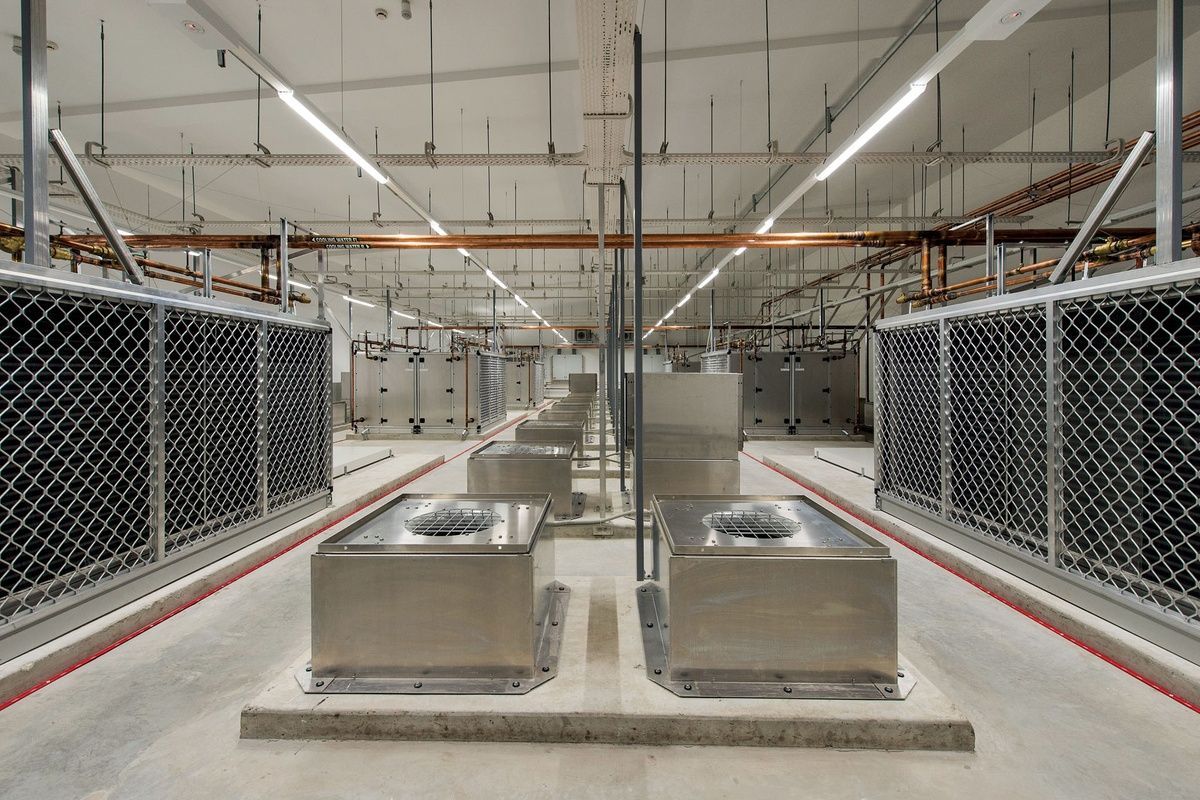
Air distribution in Data Centres
By Paul Bondsfield • August 20, 2026
Data Centres are complex buildings so getting HVAC ducting right is critical. Six areas for mechanical contractors and duct manufacturers to be aware of for success.
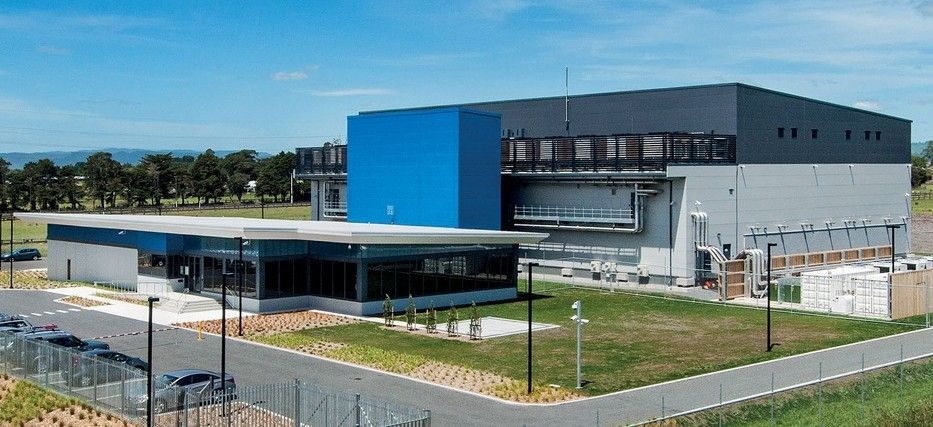
New Zealand Data Centre - Auckland
By Paul Bondsfield • August 19, 2026
Explore data centre cooling from an airflow and ductwork perspective, with practical considerations for HVAC projects across New Zealand and Australia.
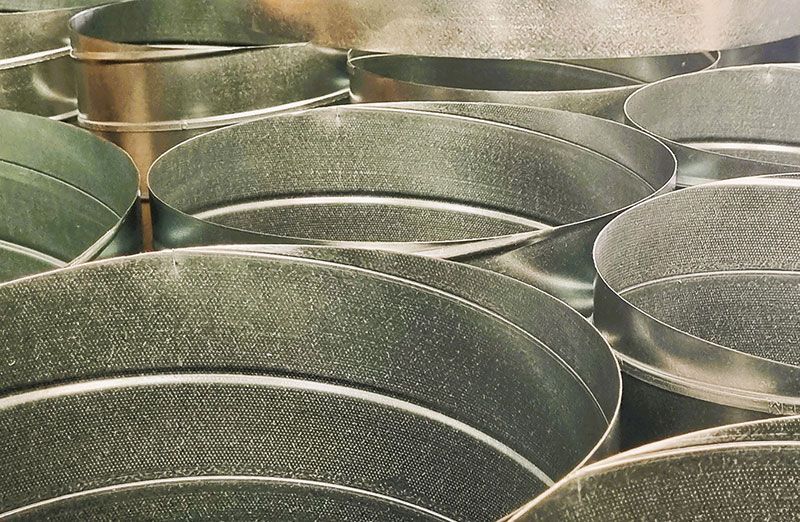
SPIRO Galvanised Steel HVAC Ducting
By Paul Bondsfield • August 12, 2026
Galvanised steel is most common for HVAC ducting because of all-round performance, availability, speed of production, value and adherence to industry standards
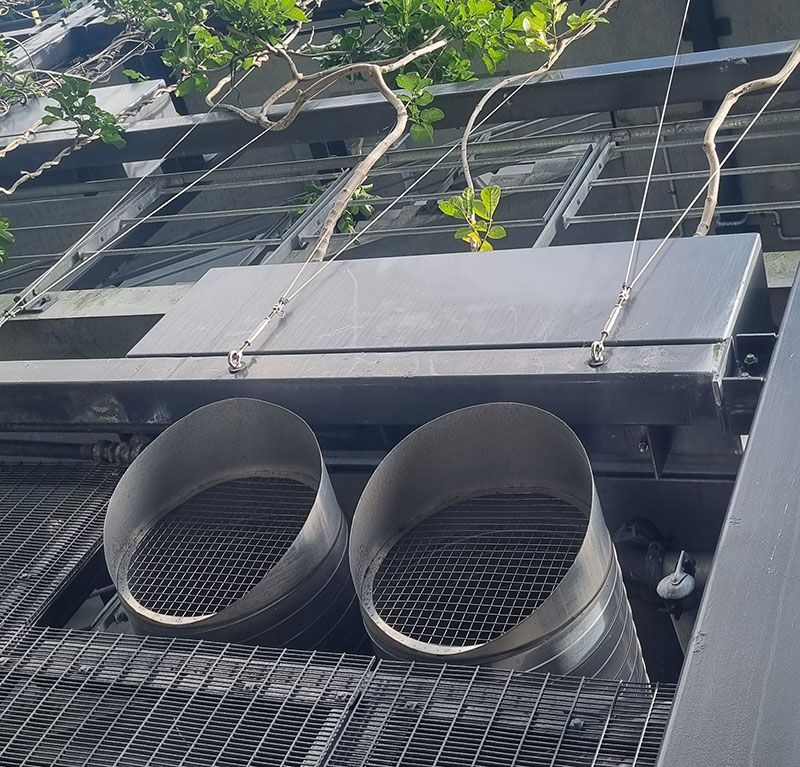
By Paul Bondsfield • August 11, 2026
What is the best material for HVAC ducting: galvanised steel, stainless steel or aluminium? It depends on the location, environment and performance requirements
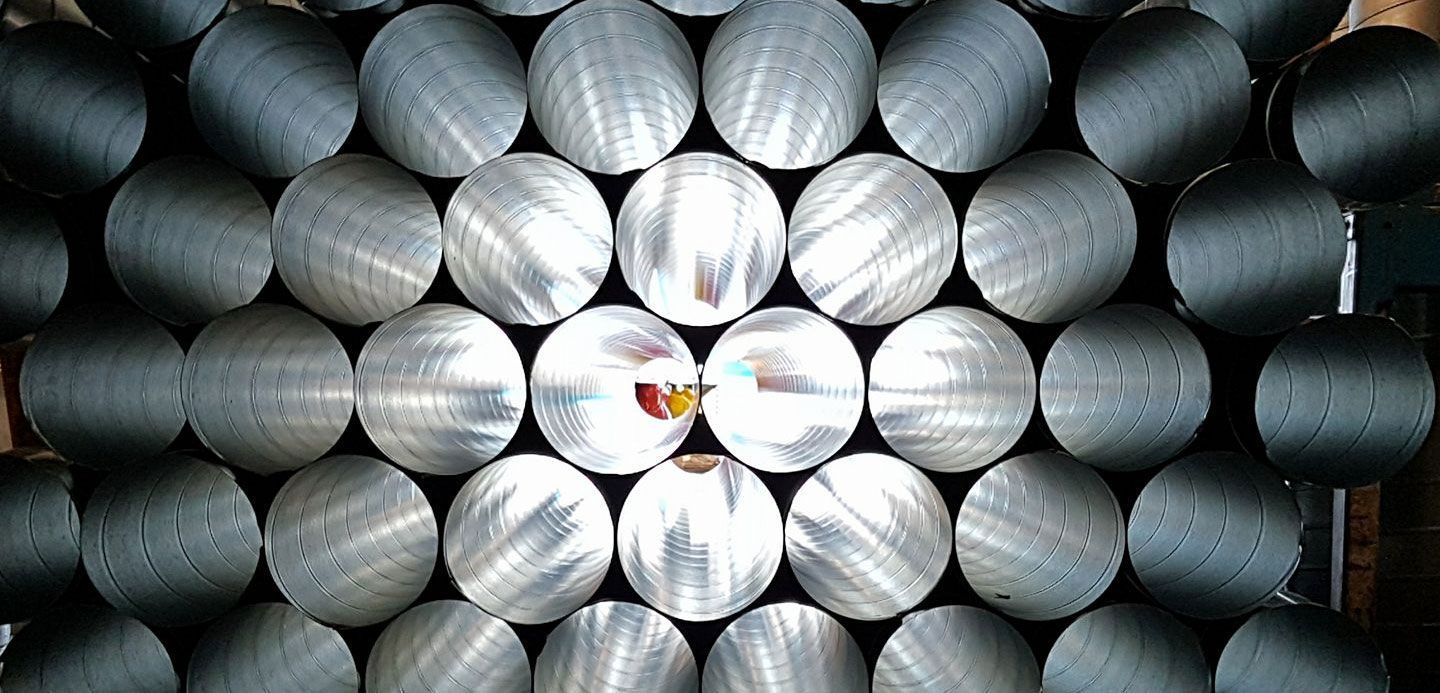
ARLO SPIRO HVAC  Ducting - SMACNA & AS4254 compliant. Photographed end-on
By Paul Bondsfield • August 4, 2026
Learn how AS 4254 and SMACNA standards guide commercial HVAC ductwork manufacture and installation, and why they matter to contractors and specifiers.
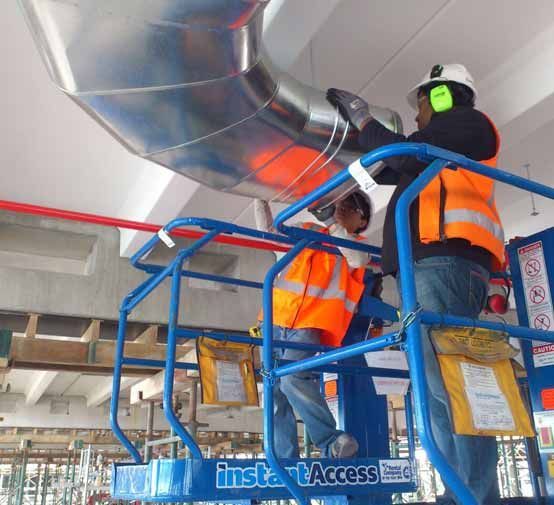
Efficient HVAC Installation
By Paul Bondsfield • July 31, 2026
Choose HVAC ducting systems that install faster with less on-site assembly. Learn how commercial ducting solutions improve efficiency, reduce labour costs, and keep HVAC projects on schedule.
By Paul Bondsfield • July 29, 2026
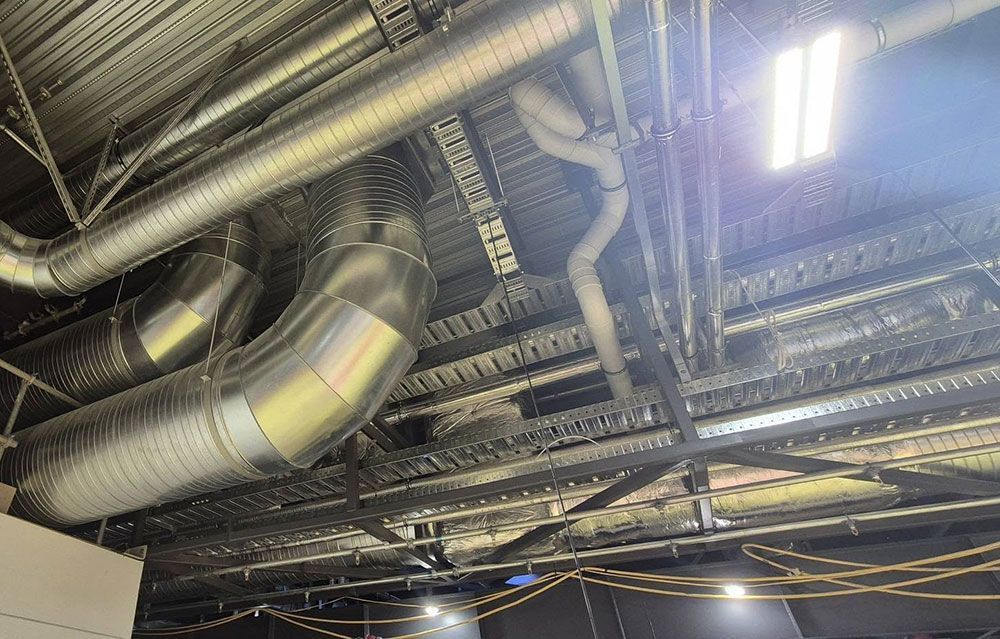
When to use round duct, rectangular duct or oval duct on HVAC projects. The pros and cons of each shape profile

By Paul Bondsfield • July 28, 2026
Discover the best metal HVAC ducting for large buildings and infrastructure projects, comparing quality, flexibility, availability and performance
Show More