Projects
When Off-Site Fabrication Becomes a Major Contract in Its Own Right
How is off-site fabrication changing mechanical contracting?
A recent Australian data centre project highlights an interesting development in mechanical contracting: off-site fabrication is no longer simply a supporting activity. On major projects, it can become a substantial, separately contracted component of the construction programme. What might that mean for the industry?
Why do major construction projects separate fabrication from installation?
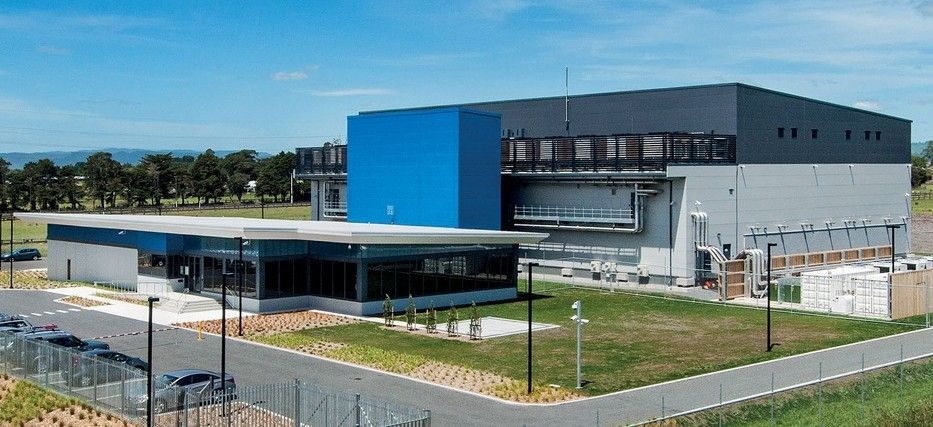
A recently announced Australian data centre development provides an interesting example of how major mechanical contracts are evolving.
Rather than treating off-site fabrication simply as one activity within a larger mechanical installation package, the project has established it as a substantial, separately awarded component of the overall mechanical works.
It's a significant distinction.
Off-site fabrication has been part of mechanical contracting for decades. Many major contractors already have established prefabrication capabilities, and the advantages of manufacturing and assembling components away from congested construction sites are well understood.
What's interesting here is not the technology or the process itself.
It's the way the work is being structured commercially and operationally.
When off-site fabrication becomes a major contract package in its own right, it suggests that manufacturing is being given greater prominence in project planning, procurement and delivery.
And that has implications well beyond the factory floor.
From supporting activity to strategic work package
Traditionally, off-site fabrication has often been considered part of the means by which a mechanical contractor fulfils its overall installation obligations.
The contractor decides which components or assemblies can be manufactured off-site, organises the work and integrates the results into the construction programme.
That approach remains common and effective.
But on particularly large or complex projects, treating fabrication as a distinct work package may create opportunities to plan and manage it with greater independence.
Manufacturing capacity can be allocated earlier. Production programmes can be developed alongside construction schedules. Procurement requirements can be identified further in advance.
And importantly, the resources needed to manufacture major components or assemblies can be committed before the corresponding installation activities begin.
This doesn't necessarily mean that fabrication and installation are being undertaken by different businesses. Nor does it automatically imply a fundamentally different contracting relationship.
But it does illustrate how manufacturing can become a more visible and strategically important part of project delivery.
Why this matters for major projects
Data centres provide a particularly relevant context for this development.
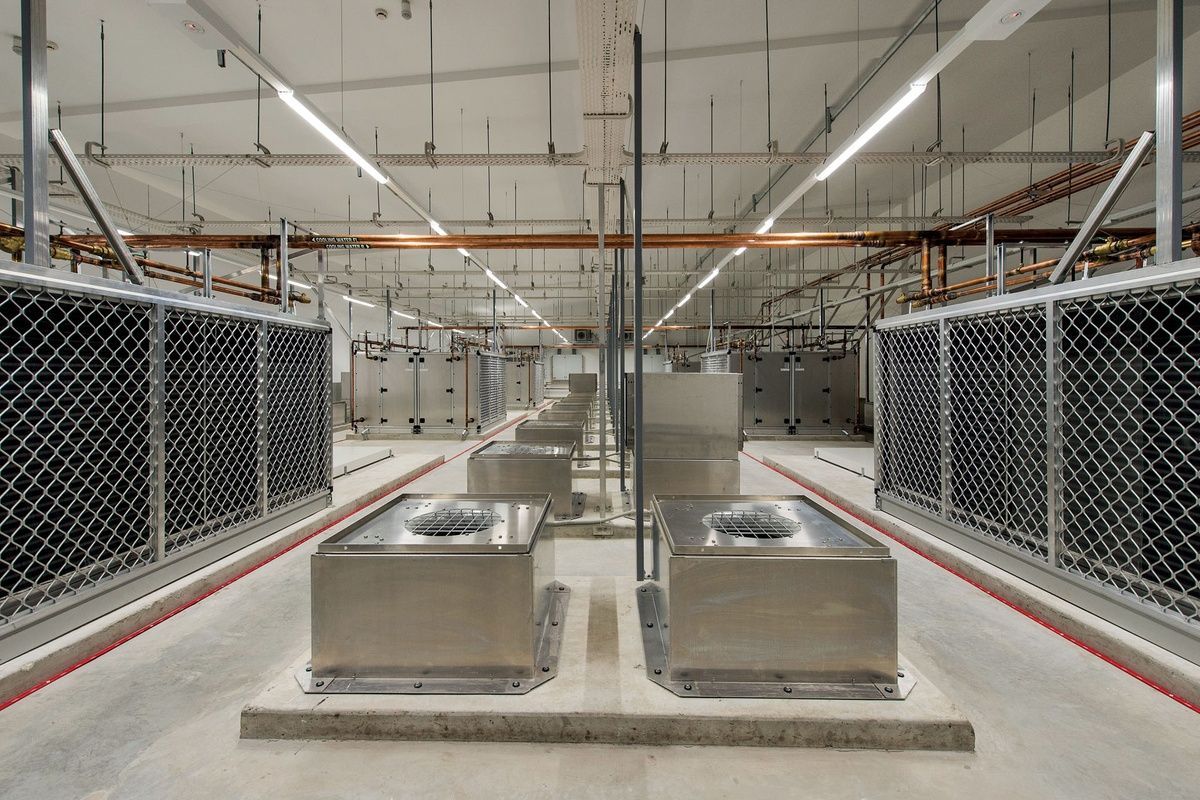
These facilities involve complex building-services infrastructure, substantial mechanical systems and demanding requirements for programme coordination.
They are also being developed in an environment where skilled labour availability, construction capacity and delivery certainty are increasingly important considerations.
For major mechanical contractors, separating fabrication into a clearly defined work package may offer several potential advantages.
Earlier commitment of manufacturing resources: Dedicated fabrication programmes can help establish capacity, materials and production requirements well ahead of installation.
Greater visibility of manufacturing progress: Treating fabrication as a defined programme of work can make its milestones, dependencies and delivery requirements easier to track.
More deliberate coordination with site activities: Manufacturing and installation programmes can be planned as related but distinct activities, with delivery sequences aligned to site readiness.
Improved procurement planning: Earlier identification of manufacturing requirements may help contractors and suppliers manage material availability, specialist components and production lead times.
These are potential benefits rather than guaranteed outcomes. They depend on how the contract is structured, how responsibilities are allocated and how effectively the various parties coordinate their work.
Nevertheless, the approach raises an important question about the future of major mechanical contracting.

What does this mean for the supply chain?
If manufacturing is becoming a more prominent and separately managed component of major mechanical projects, the implications extend to the businesses supplying ductwork, fittings and other fabricated components.
Traditionally, suppliers have often worked to purchasing schedules driven primarily by immediate installation requirements.
But where substantial manufacturing programmes are planned and committed earlier, suppliers may need to engage with a different set of priorities.
Capacity planning becomes more important. So does the ability to coordinate production schedules, manage material requirements and provide reliable information about manufacturing progress.
There may also be greater emphasis on standardisation, repeatability and the integration of manufactured components into larger prefabricated assemblies.
For ductwork manufacturers, this could mean working more closely with contractors' fabrication and project teams, rather than simply responding to orders as installation dates approach.
It may also create opportunities for manufacturers to contribute specialist production capability to larger off-site fabrication programmes.
Of course, not every project requires this level of integration. Smaller commercial developments and straightforward installations will continue to rely on responsive supply and short manufacturing lead times.
But for large, complex projects, the relationship between mechanical contractors and their manufacturing partners may become increasingly strategic.
A broader change in construction thinking?
The significance of this development may extend beyond mechanical services.
Across construction, there is growing interest in treating manufacturing, logistics and installation as connected but individually manageable elements of project delivery.
The underlying objective is not necessarily to move every possible activity off-site.
It's to organise work in the way that best supports the overall project.
For some projects, that may involve extensive prefabrication and large, dedicated manufacturing packages.
For others, the most effective approach may be a combination of factory-manufactured components, staged deliveries and conventional on-site installation.
The important point is that manufacturing is increasingly being considered as a strategic project resource, rather than simply a process that happens after design and before installation.

The opportunity for manufacturing partners
At ARLO Express Sheetmetals, our work with mechanical contractors across New Zealand and Australia gives us a direct interest in how these delivery models evolve.
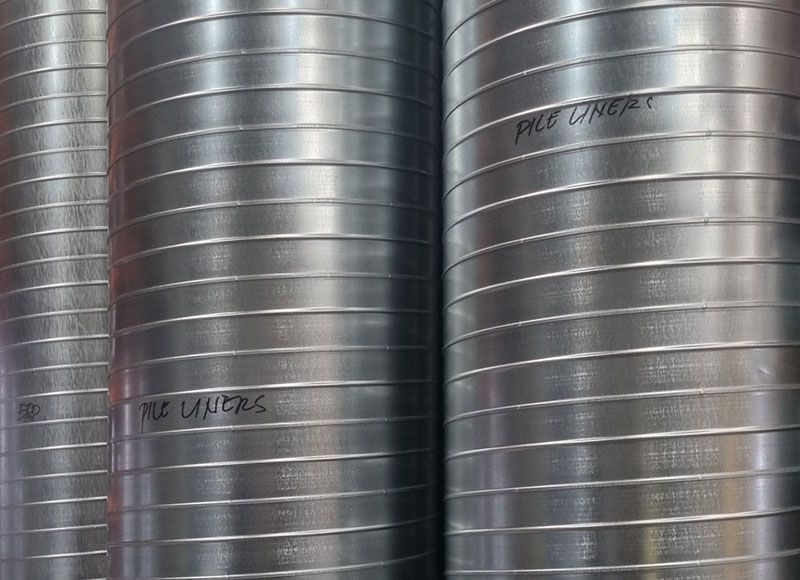
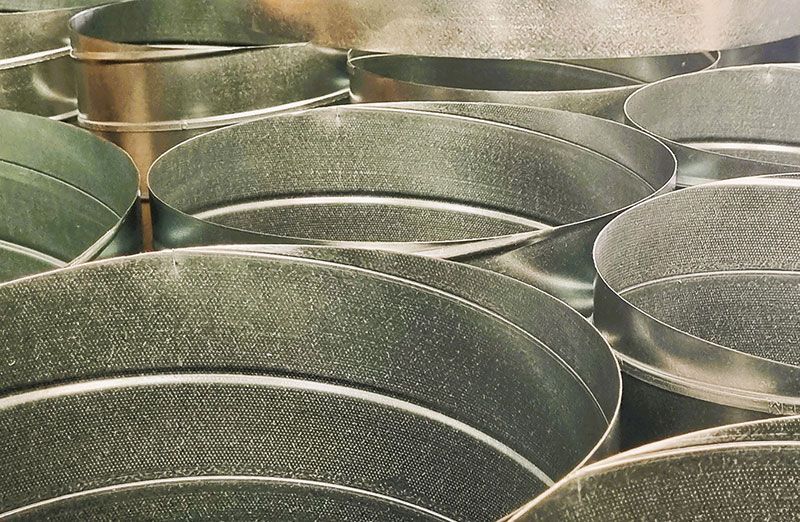
Our manufacturing capabilities include custom rectangular ductwork, SPIRO® spiral systems, fittings and associated components, supported by managed installation services.
We recognise that different projects require different approaches—from responsive supply for smaller contractors through to coordinated manufacturing programmes supporting major developments.
As mechanical projects become larger and more complex, the ability to plan manufacturing capacity, coordinate production and work effectively with contractor teams will become increasingly valuable.
The recent Australian data centre example is interesting not because off-site fabrication is new, but because of the prominence it is being given within the structure of a major mechanical contract.
It raises a worthwhile question for the industry: Are we beginning to see manufacturing recognised not just as a means of delivering construction projects, but as a major project discipline in its own right?
If so, the implications for mechanical contractors, manufacturers and the wider construction supply chain could be considerable.
Related Reading
Better Buildings Start Before Construction
Why Early HVAC Decisions Matter
Firstly, find the best HVAC ducting supplier:
Choose the Right Fabrication Partner for Reliability, Cost & Timelines
Get the fundamentals right of quality performance:
The Hidden Value of High-Quality Ducting
What makes an HVAC system efficient?
Top 7 Custom Ducting Features for Efficient HVAC Systems
Then explore how to design ducting that can adapt:
Designing for Flexibility in Modern HVAC Systems
Understand why on-time delivery is everything:
Availability & Speed in Construction
Understand the true costs of installation
Labour Hire vs Managed Installation
Availability & speed
The New Competitive Advantage in Construction
Ensure your duct supplier works to recognised standards for guaranteed quality.