
Projects
Why HVAC Projects Run Late (And How to Avoid Costly Delays)
"We're only a few days behind..."

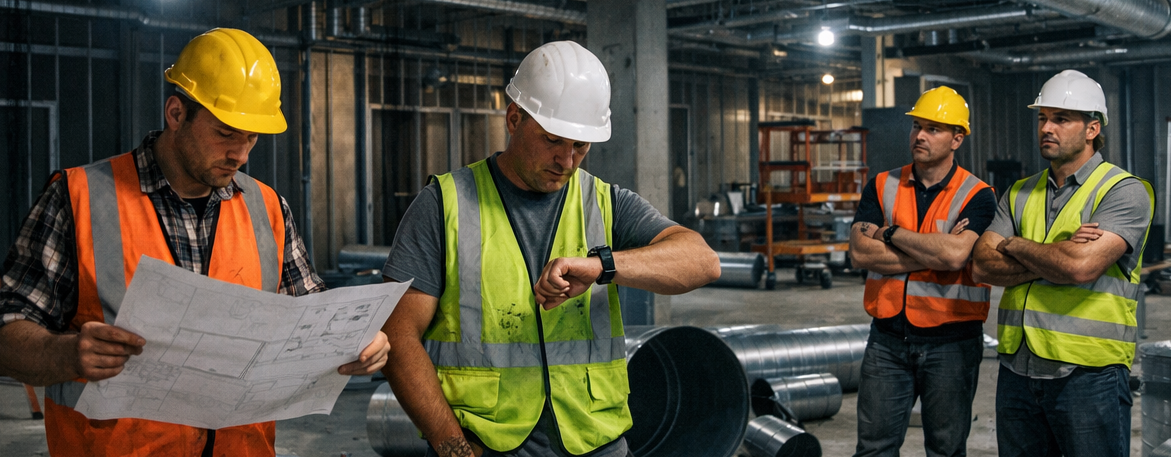
Walk onto almost any commercial construction site and you’ll hear the same frustrating comment:
“We’re only a few days behind…”
But in reality, those “few days” quickly cascade into weeks of programme pressure, rework, and cost escalation.
HVAC systems sit right in the middle of that problem, because they are:
- Installed late in the programme
- Dependent on multiple upstream trades
- Critical to downstream completion (ceilings, commissioning, handover)
Which means when HVAC slips — everything slips.
The 5 Real Reasons HVAC Projects Run Late
1. Late Design Release & Constant Changes
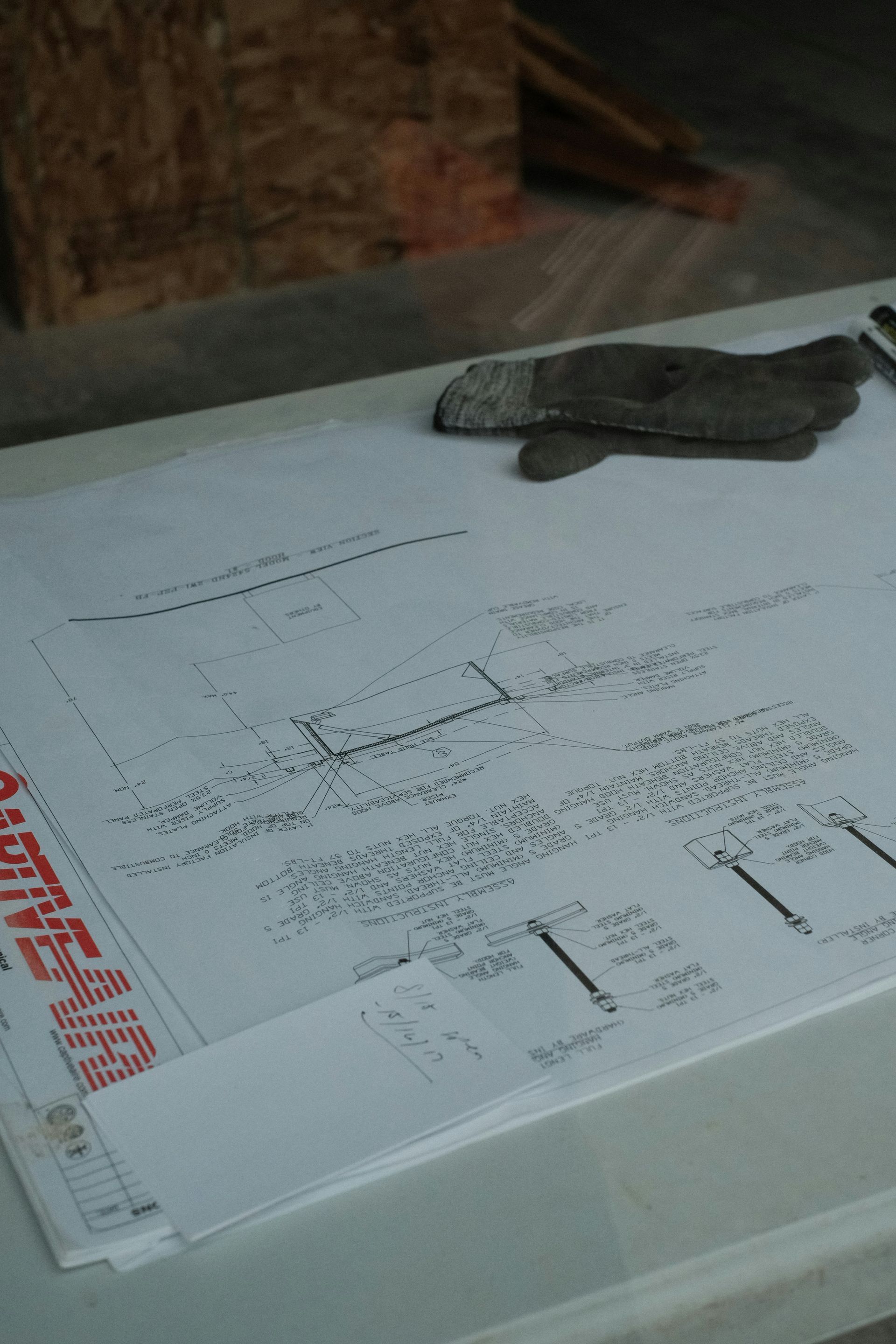
Even on well-run projects, HVAC design is rarely “final” when fabrication starts.
Common issues:
- Structural clashes discovered late
- Architectural revisions
- Services coordination conflicts (MEP congestion)
- Value engineering changes
Result:
Fabrication drawings get revised mid-production, creating delays, rework, and confusion.

2. Coordination Breakdowns on Site
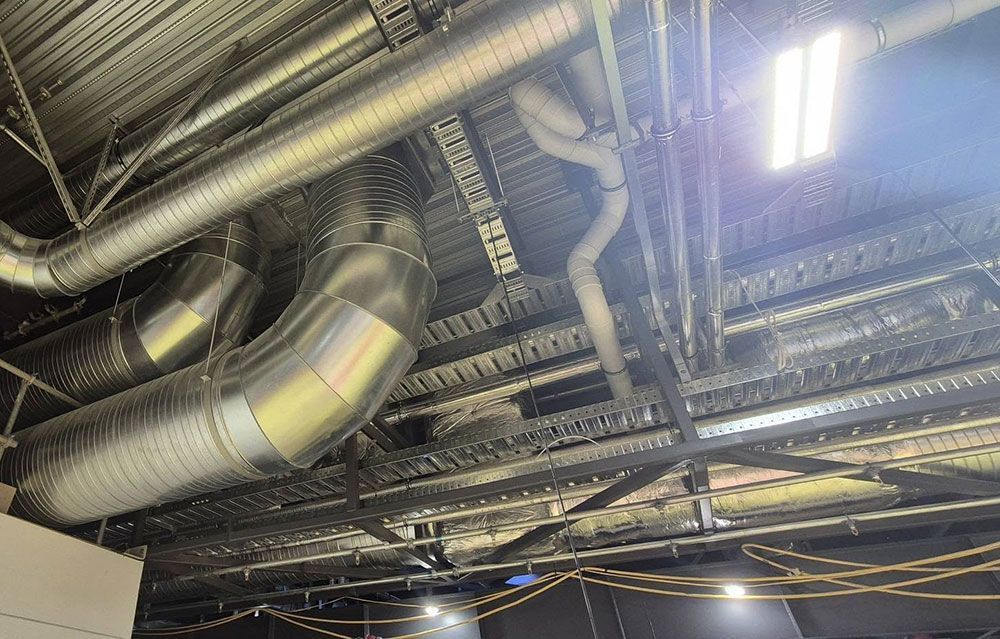
HVAC ducting competes for space with:
- electrical containment
- fire protection systems
- plumbing
- structural elements
When coordination isn’t resolved early:
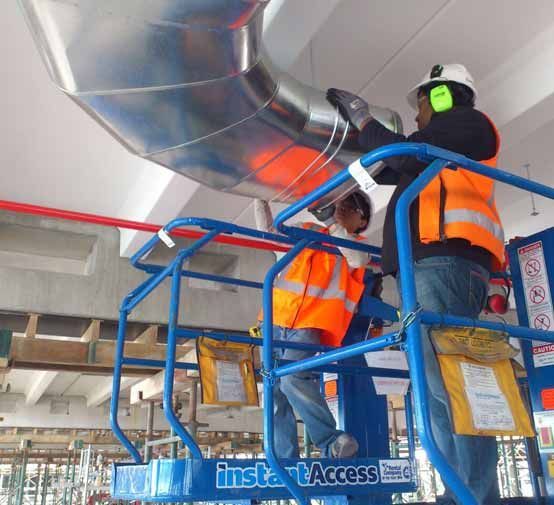
- installers are forced to adjust on-site
- components don’t fit as intended
- sections need to be remade or modified
Result: Lost time, frustrated crews, and stop-start installation.
3. Missing or Delayed Components
This is one of the most underestimated causes of delay.
A project might have 95% of its ductwork ready — but it only takes one missing item to halt progress:
- a reducer
- a tee
- a standard elbow
- a transition piece
Result: Entire sections of install stop while waiting for a small but critical component.
And because these items are often treated as “minor,” they’re frequently:
- not ordered early enough
- not stocked
- or caught in fabrication queues
4. Fabrication Bottlenecks
Custom ductwork takes time — especially when:
- shops are running at capacity
- priorities shift between projects
- urgent jobs disrupt planned workflows
Even highly efficient manufacturers can be impacted when:
- drawings change late
- production gets re-sequenced
- or small urgent items jump the queue
Result: Programme uncertainty and unreliable delivery timelines.
5. Site Access & Installation Constraints
Even when ducting is ready, installation can be delayed by:
- restricted access zones
- incomplete preceding trades
- crane or lift availability
- safety constraints
Result: Delivered duct sits idle — or worse, needs to be re-handled multiple times.
The Hidden Truth: HVAC Is on the Critical Path
HVAC isn’t just another trade.
It directly impacts:
- ceiling closures
- fireproofing
- electrical fit-off
- commissioning
- final sign-off
A single delay in duct installation can ripple across multiple trades simultaneously.
How Smart Ducting Strategy Keeps Projects Moving
The difference between projects that struggle and those that flow often comes down to how ducting is supplied and managed.
1. Early Engagement with Duct Manufacturers
Bringing suppliers in early allows:
- buildability input
- smarter sequencing
- identification of risk areas
Result: fewer surprises later.

2. Designing for Flexibility
Rigid, overly customised designs increase risk.
Flexible approaches:
- standardised components
- adaptable sections
- allowance for site variation
Result: faster adjustments when reality doesn’t match drawings.
3. The Game-Changer: Stocked, Off-the-Shelf Accessories
This is where projects are won or lost.
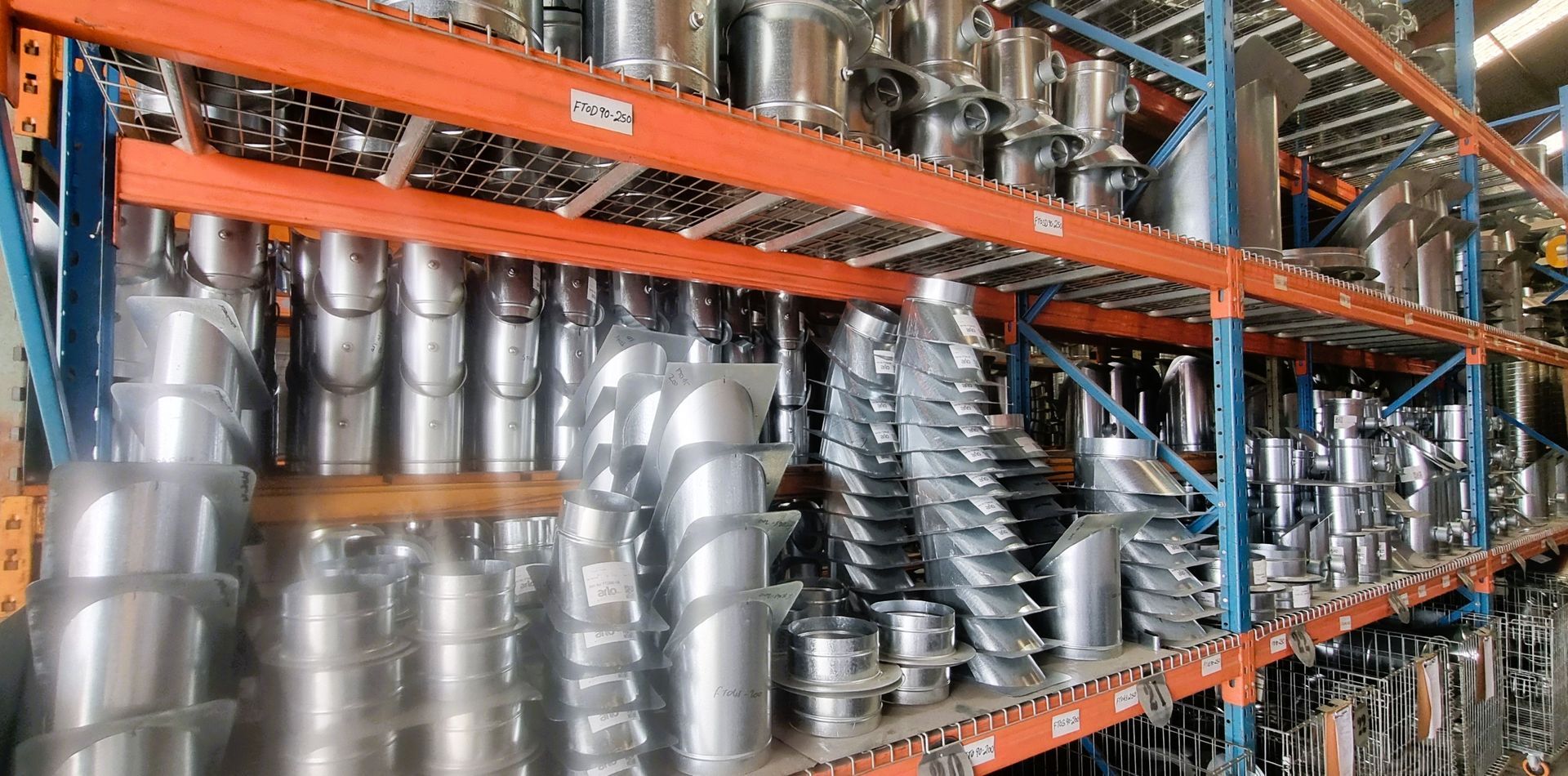
Having standard ducting components available in stock — ready to go — dramatically reduces delays.
Typical stocked items:
- elbows
- reducers
- tees
- dampers
- standard fittings
Why This Matters So Much
When accessories are available immediately:
- Installation doesn’t stop – No waiting days (or weeks) for a small missing piece.
- Site teams can adapt in real time - If conditions change, installers can grab what they need and keep moving.
- Less pressure on fabrication - Custom work continues in parallel, without constant interruption.
- Reduced programme risk - Small issues don’t escalate into major delays.
The Reality on Site
Projects rarely fail because of big, obvious issues. They fail because of lots of small delays stacking up.
And more often than not, those delays look like: “We’re just waiting on a couple of fittings…”
The Takeaway
HVAC project delays aren’t caused by one big problem.
They’re caused by:
- late changes
- coordination gaps
- missing components
- fabrication pressure
- site constraints
But one of the simplest, most effective ways to reduce risk is also one of the most overlooked:
Ensure critical ducting accessories are available, in stock, and ready to go.
Because in construction, speed isn’t just about how fast you can manufacture — it’s about how quickly you can respond when things don’t go to plan.
Related Reading
Start with the fundamentals of quality performance:
The Hidden Value of High-Quality Ducting
Then explore how to design ducting that can adapt:
Designing for Flexibility in Modern HVAC Systems
Understand why on-time delivery is everything:
Availability & Speed in Construction