1. Correct Duct Sizing for Airflow Requirements
Why it matters
Incorrect duct sizing is one of the most common causes of HVAC inefficiency.
Undersized ductwork creates excessive static pressure, forcing fans to work harder and increasing energy consumption. Oversized ductwork can increase material costs and reduce airflow control.
Benefits
- Lower fan energy consumption
- Reduced pressure losses
- Better airflow balance
- Improved occupant comfort
Buyer Tip
Ask suppliers whether duct sizing has been coordinated with the project's airflow calculations rather than simply replicated from previous projects.
2. Airtight Construction and Sealed Joints
Why it matters
Air leakage is effectively wasted energy. Every cubic metre of conditioned air escaping through joints and connections must be replaced by additional fan power and HVAC output. Airtight ductwork improves energy efficiency, airflow balancing, and overall system performance.
Benefits
- Reduced energy loss
- Lower operating costs
- More accurate airflow delivery
- Improved indoor air quality
Buyer Tip
Look for ducting systems that incorporate factory-fitted gaskets, engineered sealing methods, and proven leakage performance.
3. Optimized Duct Shapes for Application Requirements
Why it matters
Different building layouts require different ducting solutions.
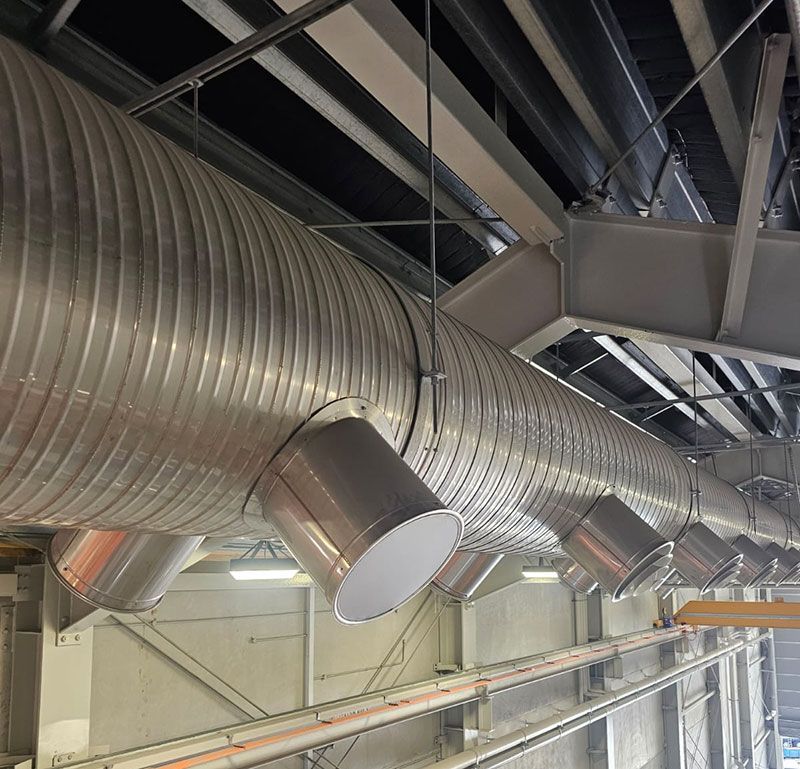
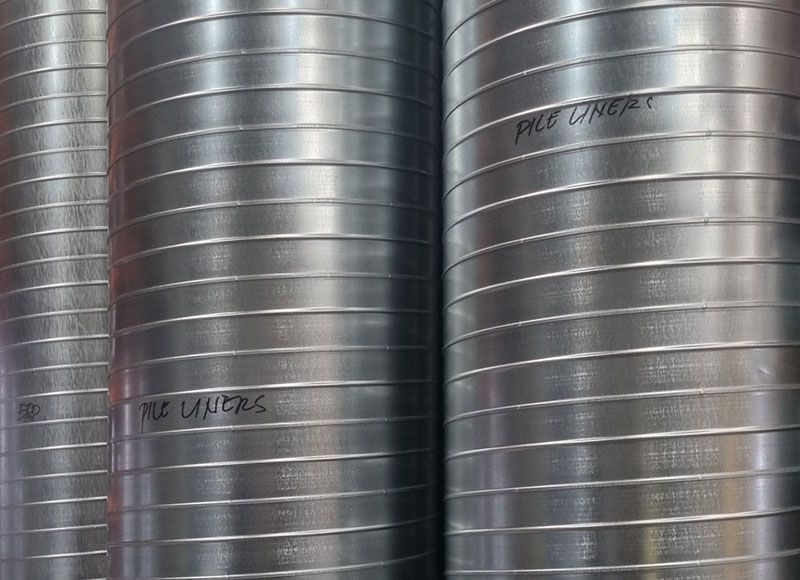
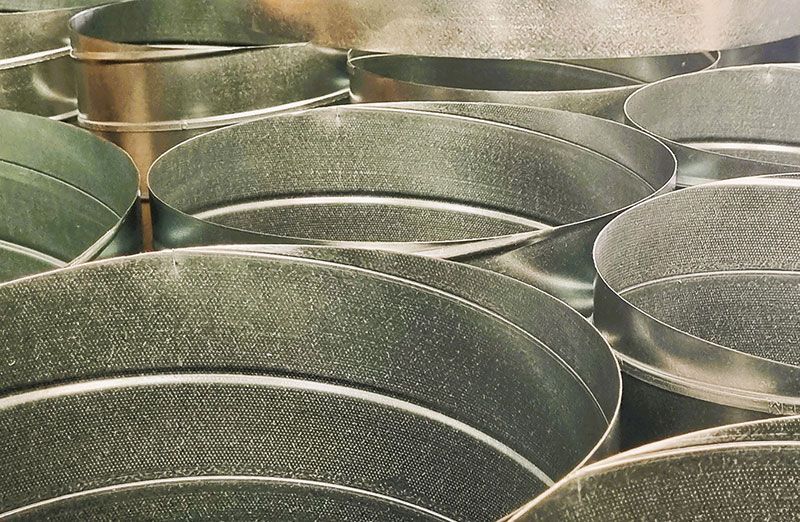
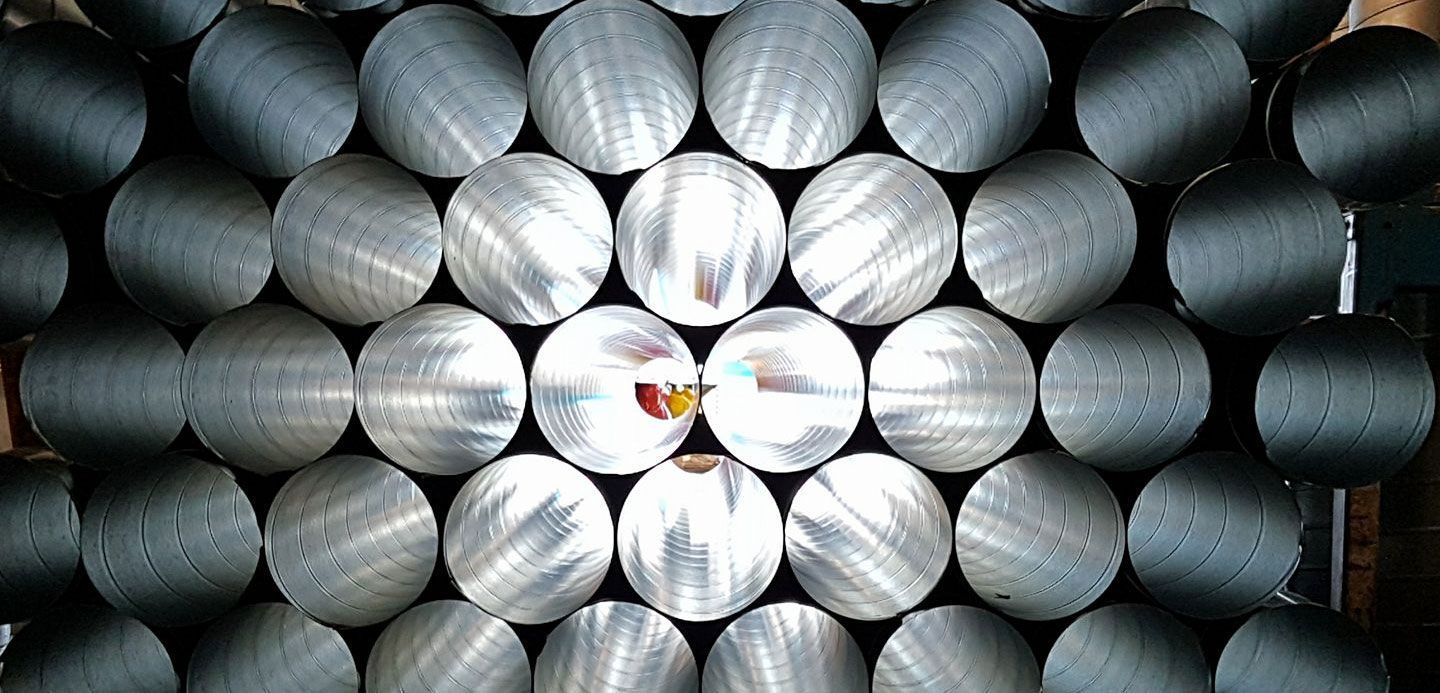
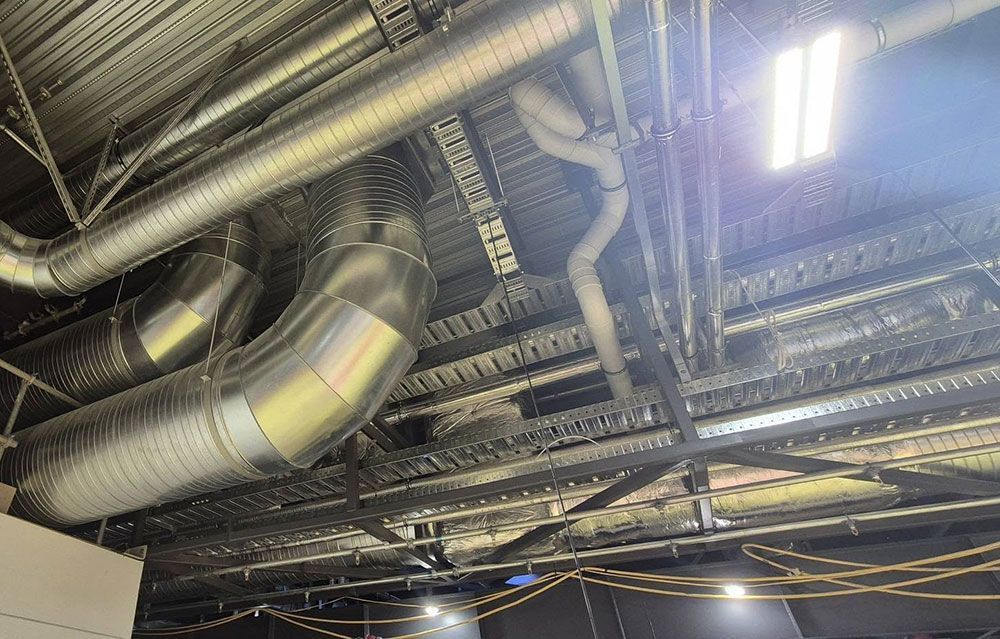
Rectangular ducting is often preferred where ceiling space is limited, while spiral ducting typically offers lower air resistance and excellent structural strength for longer runs.
The most efficient solution is often a combination of both, designed around the building's constraints and airflow requirements.
Benefits
- Improved airflow efficiency
- Better use of available ceiling space
- Lower installation complexity
- Reduced pressure drop
Buyer Tip
Evaluate duct shape based on airflow performance and installation practicality—not simply material cost.
4. Smooth Transitions, Bends and Fittings
Why it matters
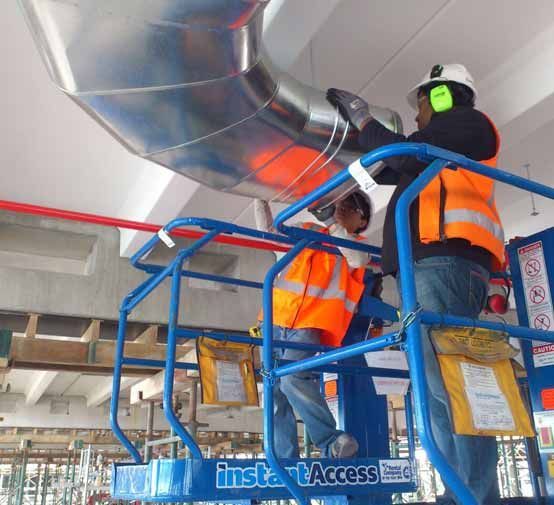
Every transition, reducer, elbow, and branch creates turbulence. Poorly designed fittings increase friction losses and reduce airflow efficiency. Larger-radius bends and properly designed transitions help maintain smooth airflow through the system.
Benefits
- Reduced turbulence
- Lower pressure losses
- Better system performance
- Lower fan operating costs
Buyer Tip
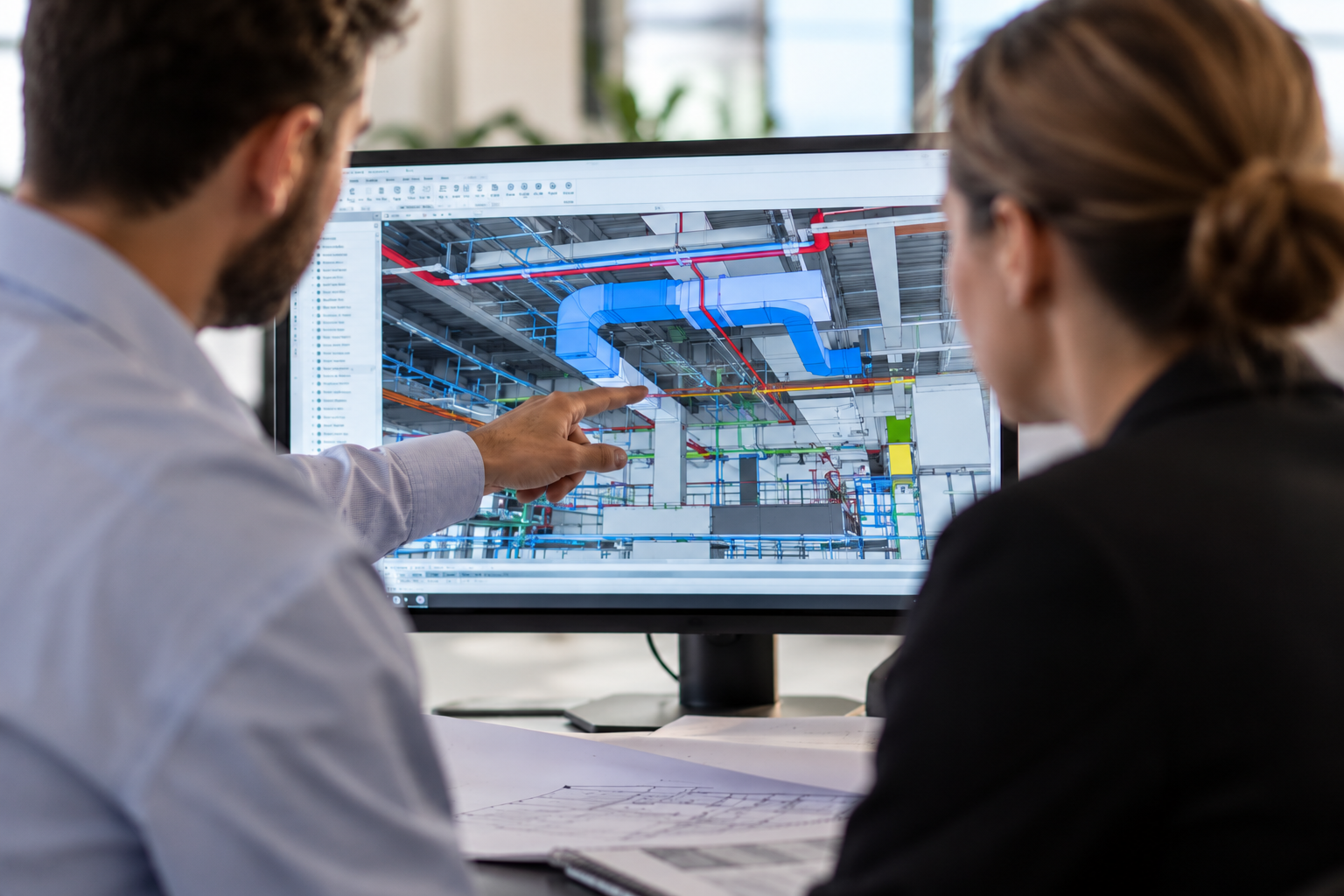
Review shop drawings carefully. Small improvements in fitting design can produce significant energy savings over the life of the building.
5. High-Quality Insulation and Thermal Protection
Why it matters
Conditioned air loses energy when heat transfers through uninsulated or poorly insulated ductwork.
This is particularly important in commercial buildings where ducts pass through roof spaces, plant rooms, service risers, or unconditioned areas.
Benefits
- Reduced heating and cooling losses
- Improved energy efficiency
- Better temperature control
- Reduced condensation risk
Buyer Tip
Insulation should be considered part of the energy strategy, not an optional upgrade.
6. Pressure-Balanced Duct Layouts
Why it matters
An efficient HVAC system delivers the correct volume of air to every zone.
Poorly balanced systems create hot and cold spots, occupant complaints, and increased fan energy usage. A pressure-balanced layout helps distribute airflow evenly throughout the building.
Benefits
- Consistent room temperatures
- Improved occupant comfort
- Reduced commissioning issues
- Lower operating costs
Buyer Tip
Ask how the duct design supports airflow balancing during commissioning.
7. Access for Testing, Maintenance and Future Adjustments
Why it matters
Even the best ducting systems require inspection, balancing, and maintenance over time.
Strategically positioned access points make it easier to test system performance, identify leakage, and maintain optimal airflow. Duct testing is a proven method of verifying HVAC efficiency and airtightness.
Benefits
- Easier maintenance
- Reduced lifecycle costs
- Improved long-term efficiency
Buyer Tip
Consider maintenance access during design—not after installation is complete.