
Projects

Choosing the Right Ducting Partner: What to Look For

Paul Bondsfield • January 21, 2026

Choosing a partner is choosing a performance outcome

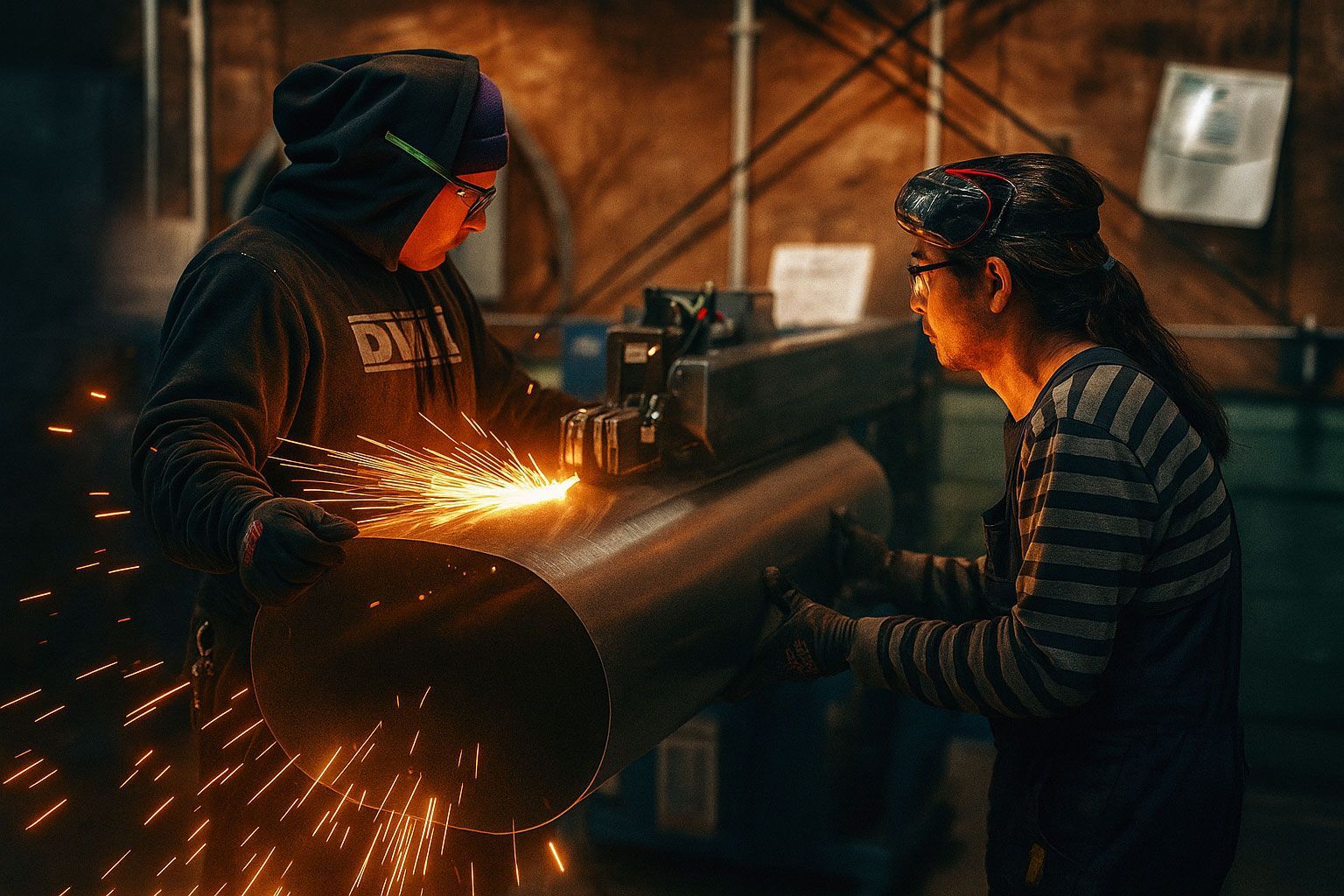
Steel manufacturing

Ducting is made of metal. But the value of a duct supplier isn’t. It’s found in everything that surrounds the metal — the engineering knowledge, the documentation, the testing, and the support during design and construction.


Two suppliers may deliver the same material specification, but only one will protect the project and make commissioning smooth.


Here’s what to look for when choosing a ducting partner.


1. Technical Support at Tender Stage


The best manufacturers don’t wait until a purchase order is issued. They help:

  • interpret the specification
  • identify risk
  • refine duct classes
  • support coordination
  • advise on seismic installation
  • recommend optimisations


They bring engineering into the process, not after it.


When you meet a potential supplier, ask:

  • Can they produce shop drawings?
  • Will they map pressure classes?
  • Are they prepared to work with the fire engineer?


If the answer is no — they may be fabricators, not partners.

Steel Culvert

2. Coordinated Shop Drawings


Shop drawings are where the project becomes real. A professional supplier will:

  • break the system into logical phases
  • map size, pressure and airtightness
  • note damper locations
  • include support spacing
  • sequence delivery


This reduces RFIs and speeds up installation.


3. Testing and Certification


Airtightness is only a promise until it’s tested. Look for:

  • leakage test certificates
  • cleanliness certificates (as required)
  • seismic restraint inspection records
  • product certification for dampers


This testing confirms that the intent of the design has been delivered.

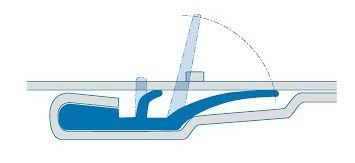
SPIRO seal

4. Site Support


On-site clashes are inevitable.


The right partner:

  • helps resolve design issues
  • supports emergency manufacturing
  • provides technical input
  • minimises downtime


They don’t turn every problem into a variation order.


5. Handover Documentation


Good documentation includes:

  • as-built drawings
  • pressure maps
  • damper schedules
  • O&M manuals
  • maintenance instructions


A folder full of generic PDFs isn’t a handover.
It’s a compliance risk.


How to find the right HVAC duct partner

6. Warranty & Aftercare


Finally — is the warranty real?
Can you call them six months after completion and get an answer?

A manufacturer who backs their product, their design advice, and their process is worth far more than one who simply ships metal.


Choosing a partner is choosing a performance outcome


A duct supplier isn’t just a vendor.


They sit at the intersection of:

  • fire safety
  • energy efficiency
  • structural design
  • commissioning quality


The right choice results in:

  • fewer delays
  • fewer RFIs
  • smoother commissioning
  • safer buildings
  • lower lifecycle cost


The wrong choice?
Years of inefficiency hidden in the ceiling.


Related Reading


Start with the fundamentals of quality performance:
The Hidden Value of High-Quality Ducting


Then explore how to design ducting that can adapt:
Designing for Flexibility in Modern HVAC Systems


Understand why on-time delivery is everything:
Availability & Speed in Construction


Air distribution in Data Centres
By Paul Bondsfield August 20, 2026
Data Centres are complex buildings so getting HVAC ducting right is critical. Six areas for mechanical contractors and duct manufacturers to be aware of for success.
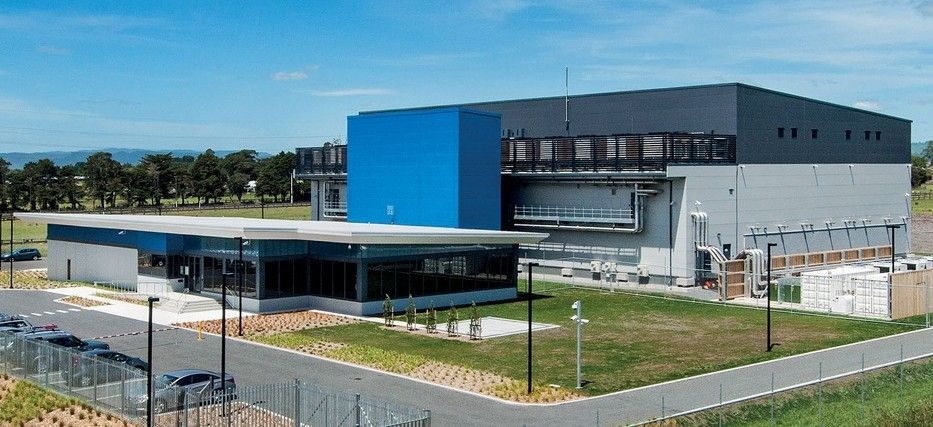
New Zealand Data Centre - Auckland
By Paul Bondsfield August 19, 2026
Explore data centre cooling from an airflow and ductwork perspective, with practical considerations for HVAC projects across New Zealand and Australia.
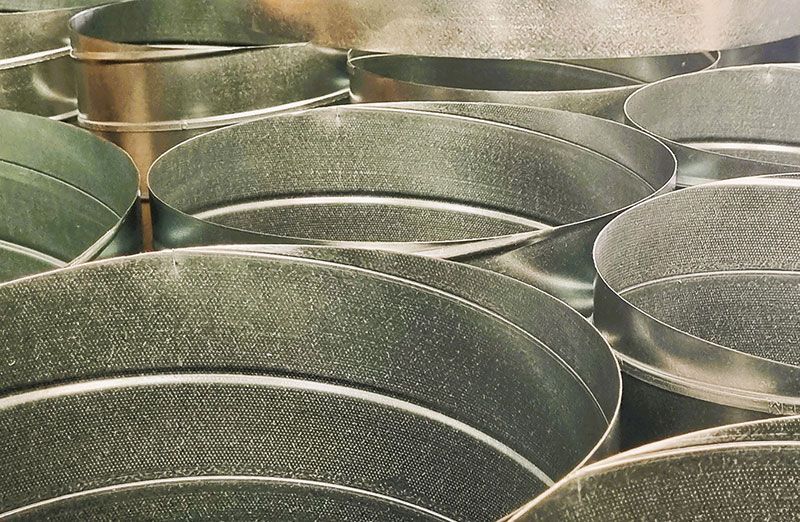
SPIRO Galvanised Steel HVAC Ducting
By Paul Bondsfield August 12, 2026
Galvanised steel is most common for HVAC ducting because of all-round performance, availability, speed of production, value and adherence to industry standards
By Paul Bondsfield August 11, 2026
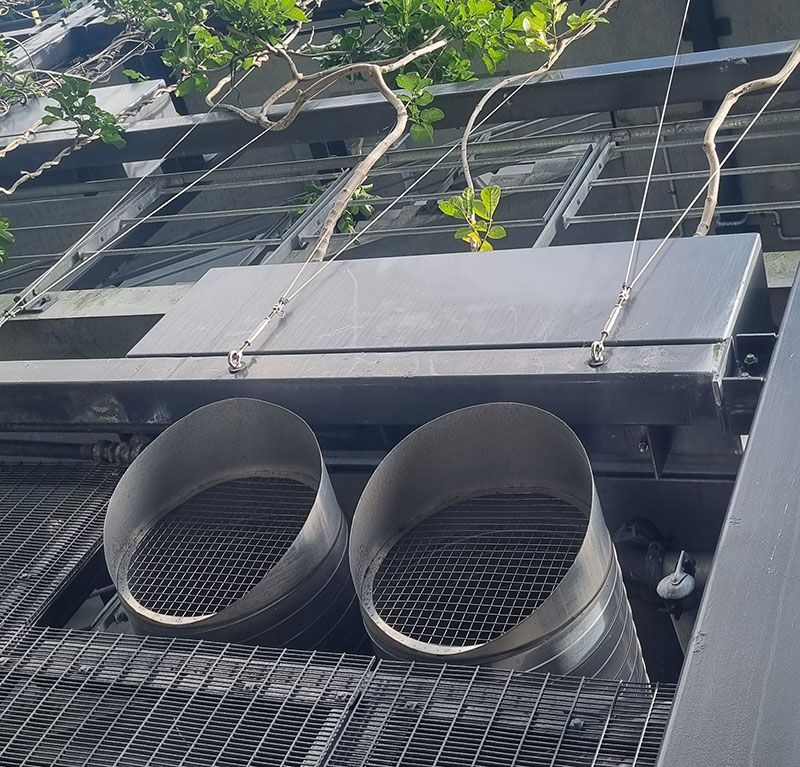
What is the best material for HVAC ducting: galvanised steel, stainless steel or aluminium? It depends on the location, environment and performance requirements
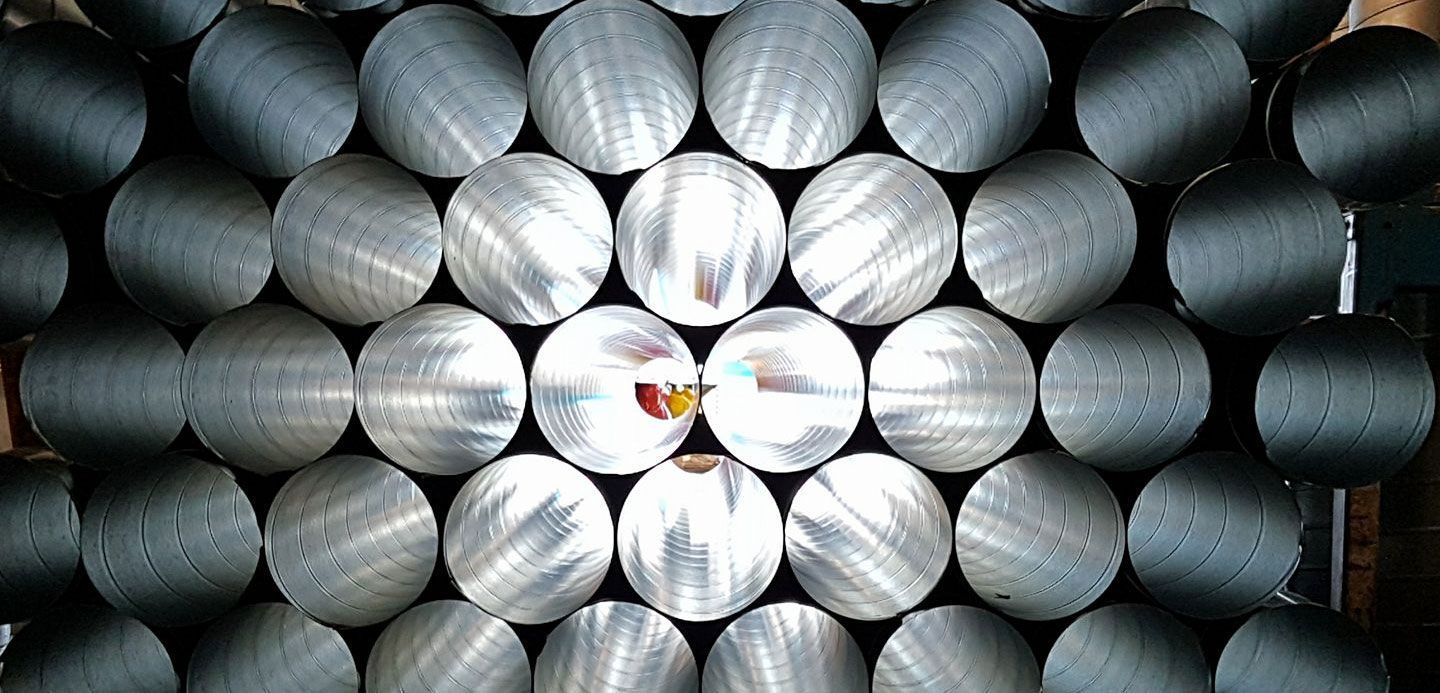
ARLO SPIRO HVAC  Ducting - SMACNA & AS4254 compliant. Photographed end-on
By Paul Bondsfield August 4, 2026
Learn how AS 4254 and SMACNA standards guide commercial HVAC ductwork manufacture and installation, and why they matter to contractors and specifiers.
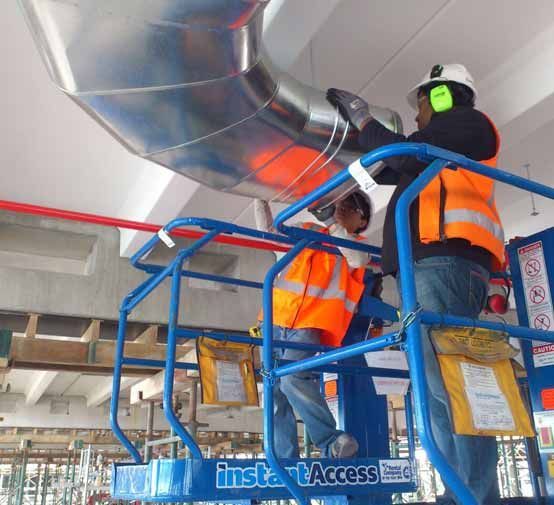
Efficient HVAC Installation
By Paul Bondsfield July 31, 2026
Choose HVAC ducting systems that install faster with less on-site assembly. Learn how commercial ducting solutions improve efficiency, reduce labour costs, and keep HVAC projects on schedule.
By Paul Bondsfield July 29, 2026
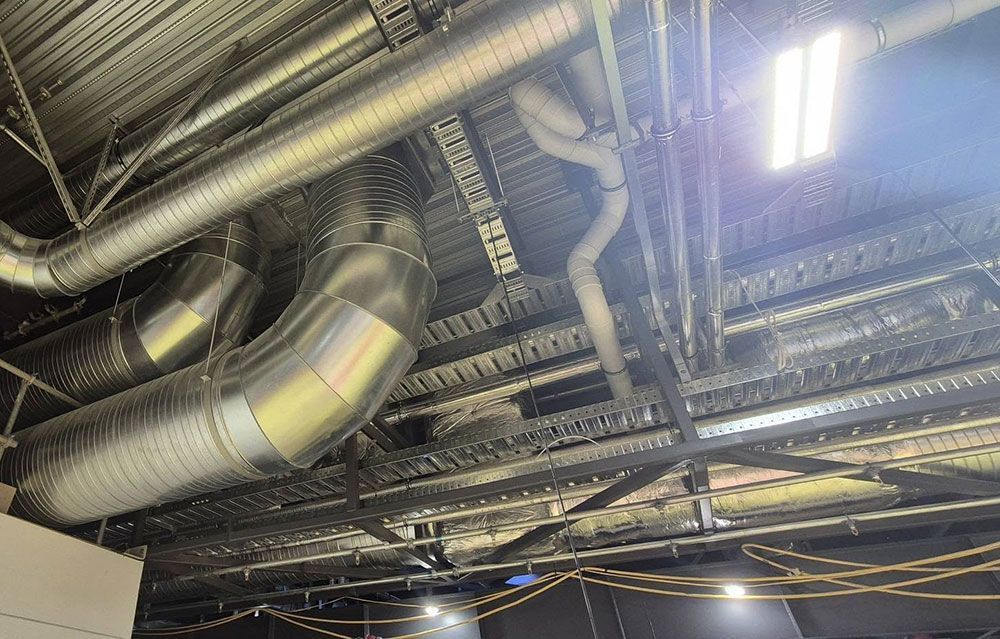
When to use round duct, rectangular duct or oval duct on HVAC projects. The pros and cons of each shape profile
By Paul Bondsfield July 28, 2026
Discover the best metal HVAC ducting for large buildings and infrastructure projects, comparing quality, flexibility, availability and performance
By Paul Bondsfield July 22, 2026
Custom steel ducting fabrication is the process of manufacturing HVAC ductwork to the exact dimensions and performance requirements of a commercial building. It improves installation efficiency, supports better airflow, reduces onsite modifications, and helps contractors deliver projects on time and within budget. When commercial HVAC projects demand precise performance, fast installation, and reliable long-term operation, custom steel ducting fabrication becomes one of the most important parts of the mechanical system. Unlike standard off-the-shelf ductwork, custom fabrication produces ducting that is designed and manufactured specifically for a project's building layout, airflow requirements, equipment, and installation sequence. For commercial HVAC installation contractors, this means fewer compromises, fewer site modifications, and greater confidence that the ductwork will fit first time.
By Paul Bondsfield June 24, 2026
Discover the 7 most important custom ducting features that improve HVAC efficiency, reduce energy costs, and optimise airflow in commercial buildings.
Show More