
Projects
Manufacturing Skills Shortages: A Growing Challenge for Australia and New Zealand
How Will Skilled Labour Shortages Affect HVAC Contractors in Australia and New Zealand?
Falling apprenticeship numbers across Australia and New Zealand are raising concerns about the future availability of skilled workers. For HVAC contractors and manufacturers, the implications could extend well beyond recruitment.

Australia's manufacturing sector is facing a significant workforce challenge. Demand for skilled tradespeople is expected to grow, yet fewer apprentices are entering the industry.
New Zealand is experiencing a similar decline in training numbers, although the recent construction downturn has temporarily eased recruitment pressures in some sectors.
For manufacturers and mechanical contractors on both sides of the Tasman, the question is whether sufficient skilled workers will be available when demand increases.
The numbers tell the story
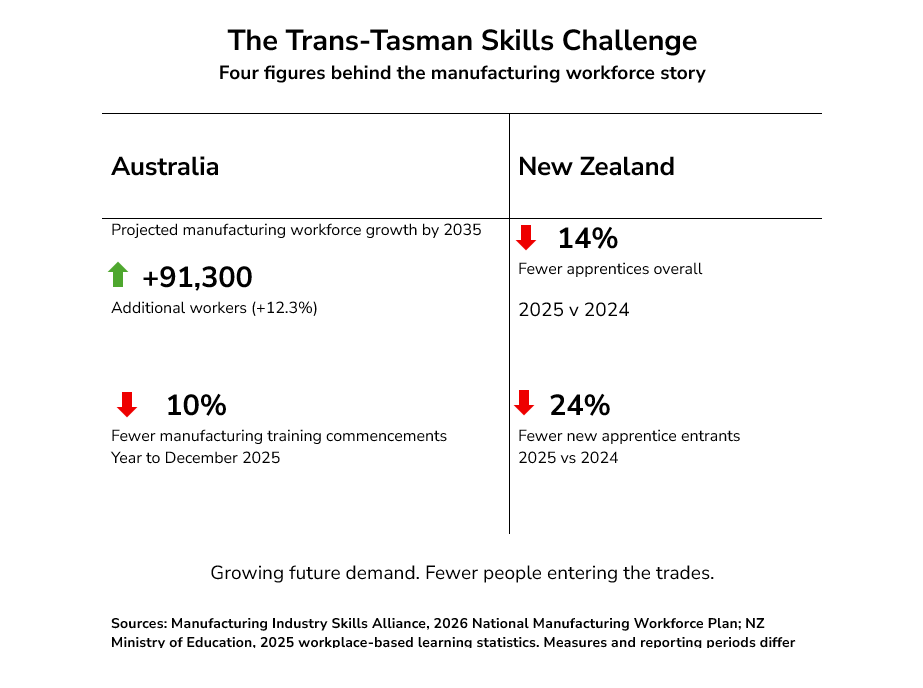
According to Australia's Manufacturing Industry Skills Alliance, the country's manufacturing workforce is projected to grow by 91,300 workers by 2035, an increase of 12.3%.
Yet apprenticeship commencements across manufacturing training programmes fell 10% in the year to December 2025, with metal trade commencements declining by more than 4%.
Twelve occupations critical to manufacturing remain on Australia's national shortage list.
In New Zealand, Ministry of Education figures show that apprentice numbers fell 14% in 2025, from 69,725 to 59,720. More concerning for the future workforce, new apprentice entrants declined by 24%.
While these figures reflect different economic conditions, they highlight a common concern: fewer people entering skilled trades today could mean fewer qualified workers available tomorrow.

What does this mean for HVAC contractors?
Manufacturing and mechanical contracting depend on many of the same skilled tradespeople.
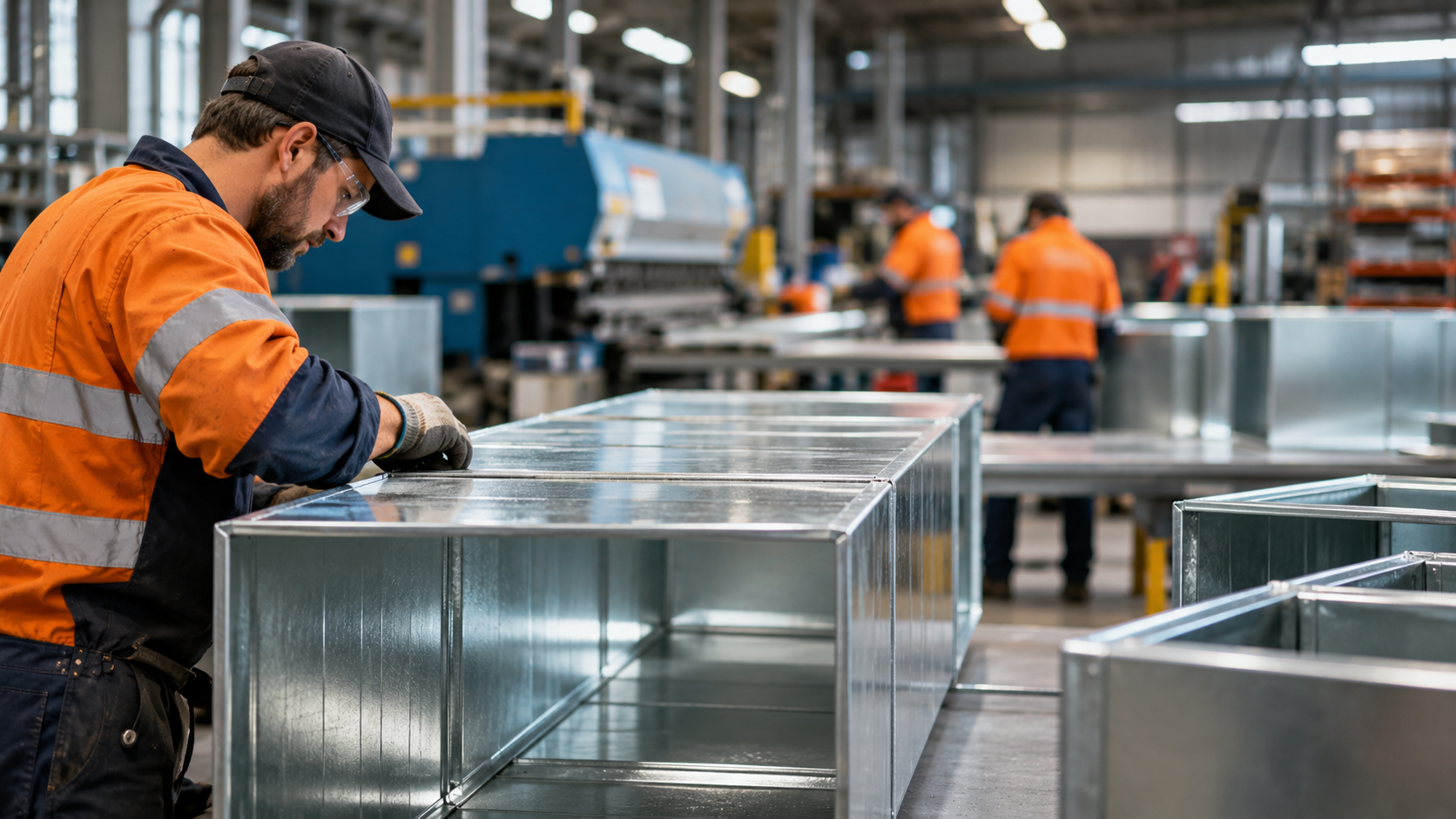
Manufacturers need experienced personnel to produce ductwork and other building components, while contractors rely on skilled installers to deliver projects on site.
As competition for these skills increases, manufacturing capacity, production planning and the efficient use of available labour become increasingly important.
However, the wider industry picture doesn't necessarily reflect every manufacturer's experience.
ARLO Express Sheetmetals General Manager Blair McKolskey says the company's experience in Brisbane has been positive.
“Although we are relatively new to the Australian market, we have not experienced any significant labour availability issues to date. Our large facility and modern equipment likely help attract experienced personnel, supporting the rapid growth of our team.”
Can ductwork selection help ease labour pressures?
While attracting and training more skilled workers remains essential, there are also opportunities to reduce the amount of labour required for certain construction activities.
One example is the selection of HVAC ductwork systems.
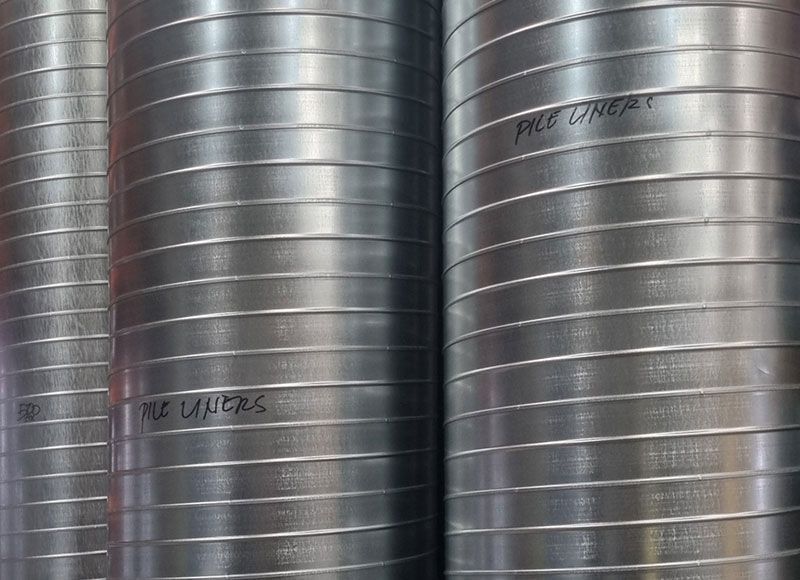
SPIRO® spiral ducting, with its gasketed joining system and prefabricated fittings, can offer installation advantages over traditional rectangular ductwork in suitable applications.
Blair believes this is worth considering as contractors plan for future workforce pressures.
“We continue to monitor market conditions and discuss the benefits of SPIRO ducting with our customers. SPIRO ducting is significantly faster to install than traditional rectangular ducting and can help mitigate the impact of labour shortages.”
Actual installation savings will depend on the project, system design and site conditions, but reducing assembly requirements can help contractors make better use of available labour.
Planning for the workforce of tomorrow
Neither Australia nor New Zealand faces a simple or uniform labour shortage. Demand varies between industries, regions and individual businesses.
But declining apprenticeship numbers create a longer-term challenge, particularly in trades that require several years of training.
Investing in people remains essential. So too does considering how manufacturing processes, product selection and construction methods can help make effective use of skilled labour.
For HVAC contractors, those decisions may become increasingly important as construction activity grows on both sides of the Tasman.
Sources:
Manufacturing Industry Skills Alliance — 2026 Workforce Plan (17 September 2026).
NZ Ministry of Education — 2025 Workplace-Based Learners.
AMCA — What the Workforce Plan Means for Manufacturers (9 October 2026).
Related Reading
Understand the true costs of installation
Labour Hire vs Managed Installation
How commercial ducting solutions can reduce labour costs.
How to choose HVAC ducting for faster installation
Find the best HVAC ducting supplier:
Choose the Right Fabrication Partner for Reliability, Cost & Timelines
Ensure your duct supplier works to recognised standards for guaranteed quality.
Which standards apply to commercial HVAC ductwork?
Get the fundamentals right of quality performance:
The Hidden Value of High-Quality Ducting
Rectangular or Spiral?
When to Use Rectangular or Spiral Ducting for HVAC Projects
Explore how to design ducting that can adapt:
Designing for Flexibility in Modern HVAC Systems