
Projects

Building Brisbane's Next Generation of Stadiums: The Challenges Behind the Scenes

Paul Bondsfield • November 23, 2026

What Makes Stadium HVAC Design and Installation So Challenging?

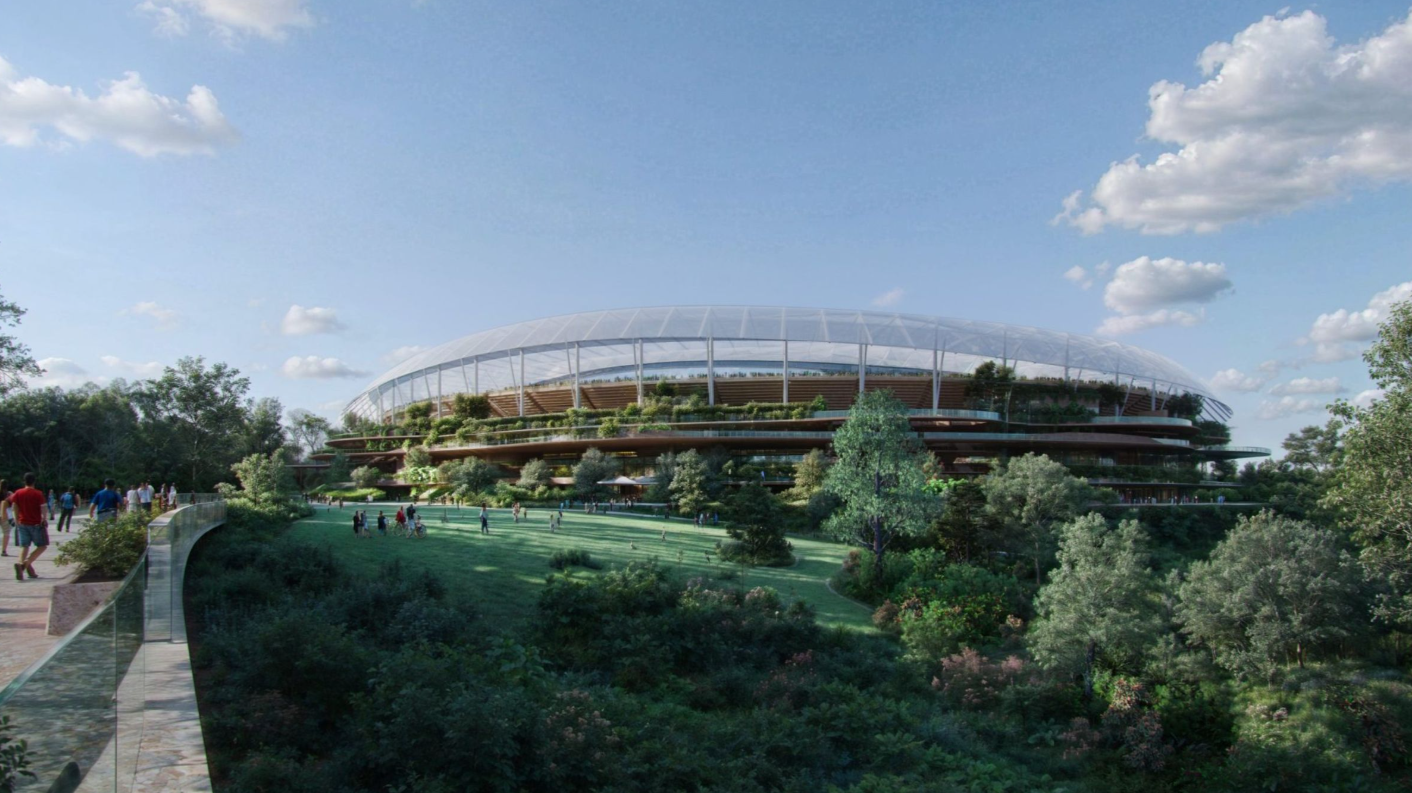
Brisbane Stadium render


With major stadium and entertainment venue projects progressing across Brisbane ahead of the 2032 Olympic and Paralympic Games, attention is turning to the scale and complexity of delivering these landmark buildings. Beyond their architectural designs and spectator facilities, there's another challenge: coordinating the building services that make these venues work.

Two recent developments highlight the pace of Queensland's venue construction programme.


The Queensland Government has selected the Gather Brisbane consortium to deliver a new $1.4 billion indoor arena at Woolloongabba, with seating for 17,000 spectators and completion planned for 2031.


Meanwhile, early works are progressing at the new Brisbane Stadium at Victoria Park. More than 200,000 cubic metres of earth and rock have been moved during the first 100 days, with main construction expected to follow in 2027.


Both projects form part of Queensland's preparations for 2032 and the development of sporting and entertainment facilities intended to serve the state for decades afterwards.


More than a stadium


Large sporting and entertainment venues present some distinctive challenges for building-services designers and contractors.


Unlike conventional commercial buildings, stadiums must accommodate substantial variations in occupancy, from relatively quiet periods to events attracting tens of thousands of spectators.


Different areas of a venue can also have very different ventilation and temperature-control requirements. Spectator spaces, hospitality facilities, changing rooms, kitchens, administration areas and enclosed service spaces all need appropriate solutions.


The building's architecture adds another layer of complexity.


Large roof structures, extensive service runs and the need to coordinate mechanical systems with structural, electrical, lighting and other services can make the available space particularly challenging.


For mechanical contractors, these factors influence not only system design but also how ductwork and associated components are manufactured, delivered and installed.


Why early coordination matters


Although HVAC installation generally takes place well after major earthworks and structural construction begin, many decisions affecting mechanical services need to be considered much earlier.


Ductwork dimensions, routing, access requirements and the available space for installation can all influence how efficiently a system is delivered.


Early coordination between architects, engineers, mechanical contractors and manufacturers can help identify potential conflicts before they become expensive problems on site.


It also creates opportunities to consider prefabrication, manufacturing requirements and delivery sequencing while there is still flexibility in the construction programme.


This becomes particularly important on large projects where multiple trades may be working within the same areas and where access can become increasingly restricted as construction progresses.

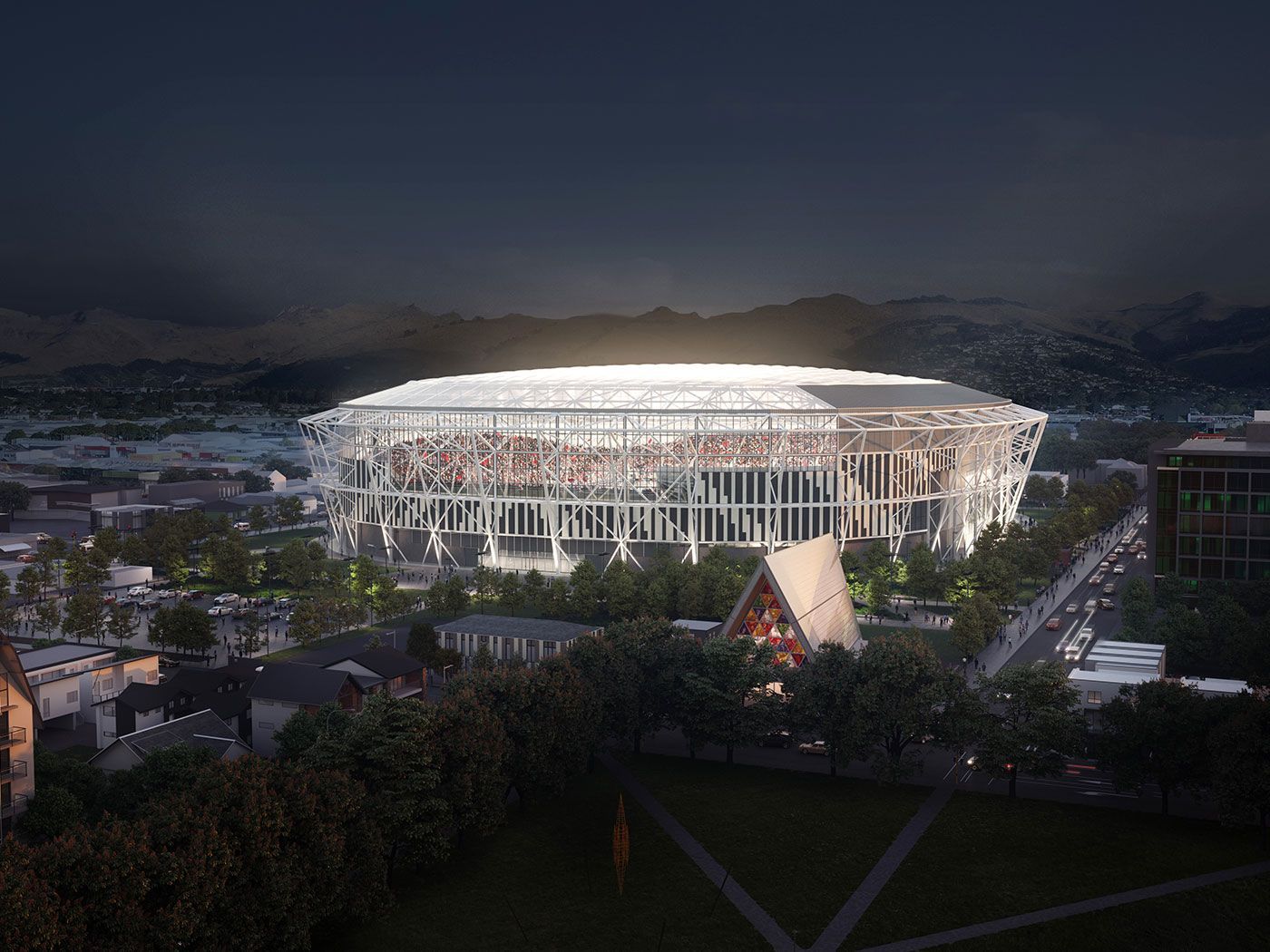
Te Kaha Stadium - Christchurch

Lessons from Christchurch's Te Kaha stadium


New Zealand has recently experienced many of these considerations through the construction of Te Kaha – One New Zealand Stadium in Christchurch.


The multi-use stadium incorporates extensive building-services infrastructure to support its sporting and entertainment functions.


ARLO Express Sheetmetals supplied steel ductwork for the project, providing a practical example of the manufacturing contribution required behind the scenes of a major venue.


Projects such as Te Kaha demonstrate that delivering complex buildings depends on much more than the visible structure.

The coordination of building services, the accuracy of manufactured components and the planning of installation activities all contribute to the successful delivery of the finished facility.


While every stadium has different architectural and engineering requirements, the importance of addressing these considerations early is common to major construction projects.


Planning today for buildings that will serve for decades


Brisbane's new arena and stadium are being developed with the 2032 Games in mind, but their intended working lives extend well beyond that event.


That makes long-term building performance an important consideration alongside construction cost and programme.

Ventilation systems must meet the operational needs of the venue, while allowing appropriate access for maintenance and accommodating the demands of different events.


For designers and contractors, balancing these requirements with the practical realities of construction is a significant part of delivering successful building services.


As Queensland's major venue projects move from design and early works into construction, the decisions made behind the scenes will play an important role in how these buildings perform for years to come.


Queensland Government — Brisbane Arena announcement, 15 November 2026

GIICA — Brisbane Stadium early works, 18 November 2026


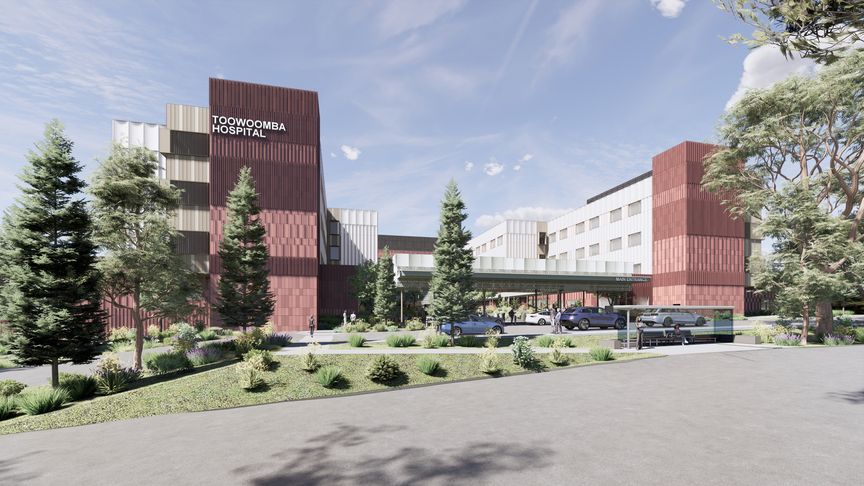
Render of the new Toowoomba Hospital
By Paul Bondsfield • November 13, 2026
ARLO Express Sheetmetals is supplying custom rectangular HVAC ductwork to Ellis Air for Queensland's new Toowoomba Hospital development.

By Paul Bondsfield • November 11, 2026
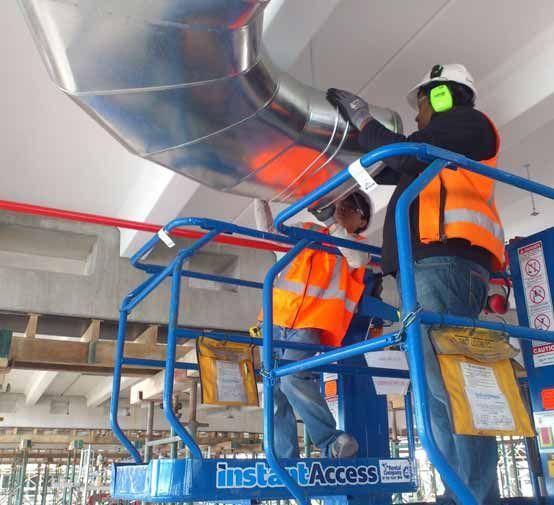
Queensland's $139.5bn infrastructure pipeline is driving demand for manufacturing capacity. Discover how ARLO is investing in Brisbane's construction future.
By Paul Bondsfield • November 4, 2026
Falling apprenticeship numbers in Australia and New Zealand raise concerns for HVAC contractors. Explore the workforce challenge and practical responses.
By Paul Bondsfield • October 28, 2026
Queensland's latest mining investment highlights the infrastructure, manufacturing and supply challenges behind major remote resource projects.

By Paul Bondsfield • October 22, 2026
What's changed under NZ's G4/AS1 Fifth Edition? A quick guide to the updated ventilation requirements for mechanical contractors and specifiers.
By Paul Bondsfield • October 12, 2026
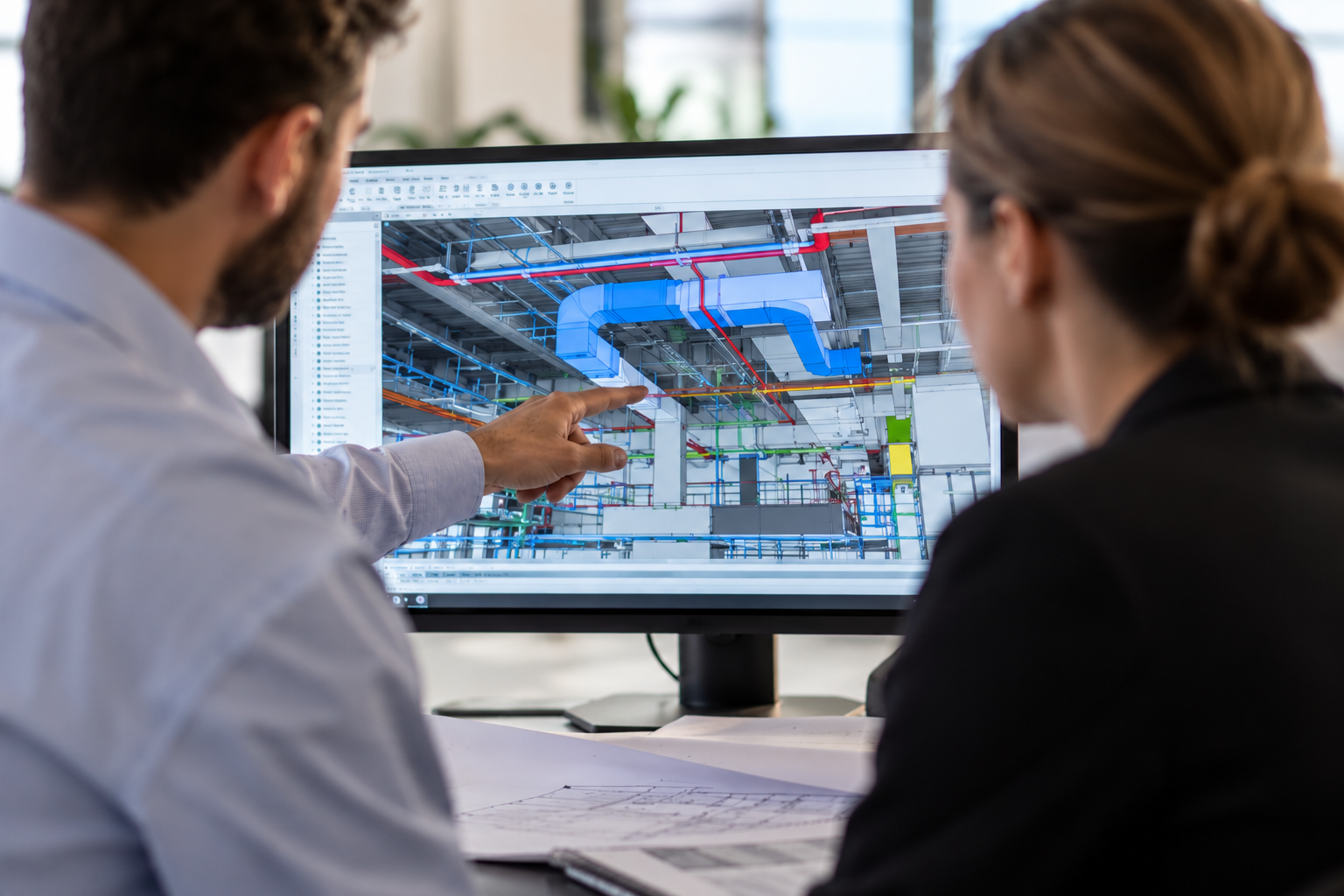
A major Australian data centre project highlights how off-site fabrication is becoming a strategic work package in mechanical contracting and construction delivery.
By Paul Bondsfield • September 22, 2026
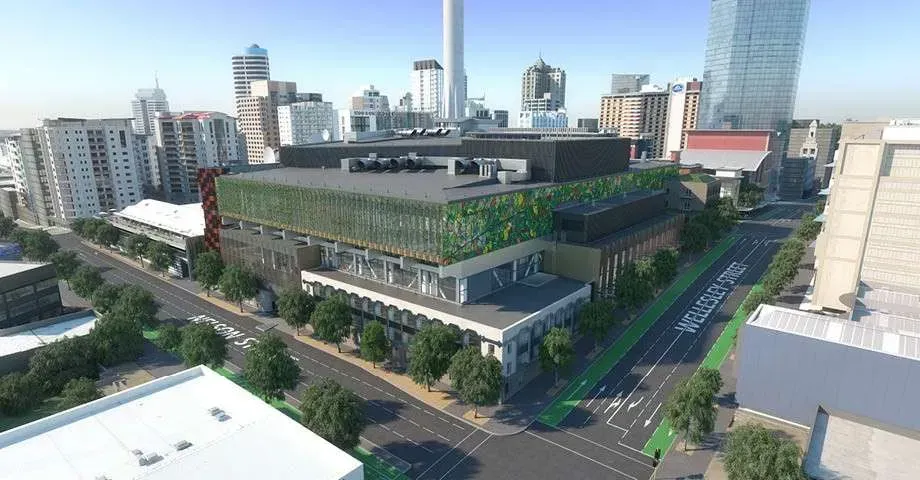
Discover why early HVAC design decisions, better coordination and off-site manufacturing can reduce rework, improve productivity and help deliver better buildings.
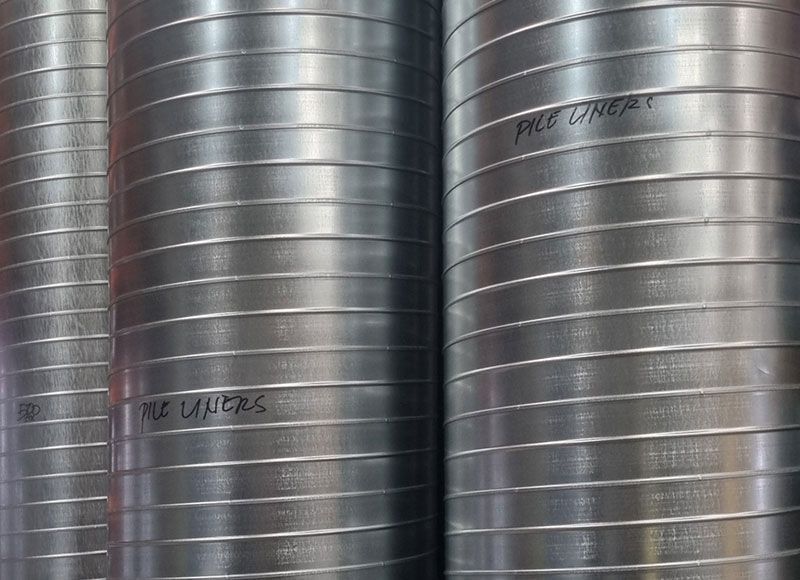
SwiftSteel Pile Liners
By Paul Bondsfield • September 4, 2026
Marine environments are harsh and unforgiving for construction. SwiftSteel pile liners can be the ideal solution combining strength, rigidity & on-site adaptability
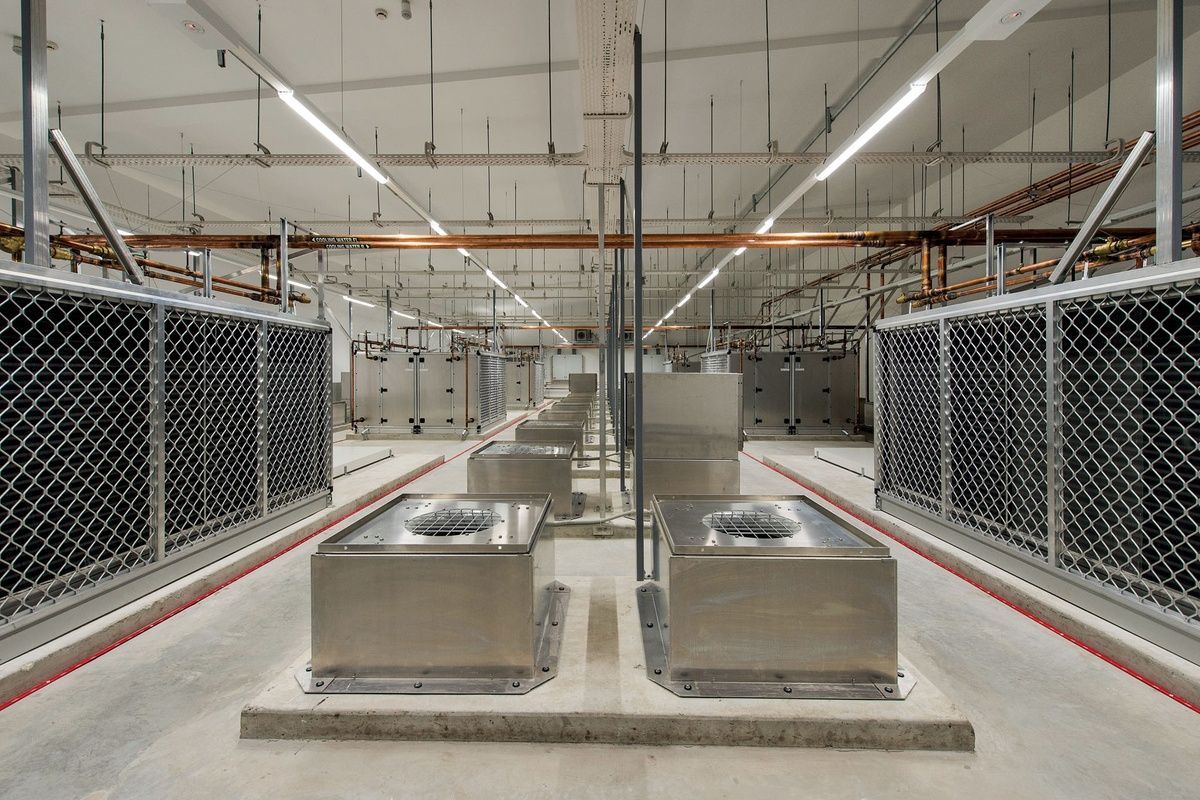
Air distribution in Data Centres
By Paul Bondsfield • August 20, 2026
Data Centres are complex buildings so getting HVAC ducting right is critical. Six areas for mechanical contractors and duct manufacturers to be aware of for success.
New Zealand Data Centre - Auckland
By Paul Bondsfield • August 19, 2026
Explore data centre cooling from an airflow and ductwork perspective, with practical considerations for HVAC projects across New Zealand and Australia.
Show More